















©The Author(s) 2025.
World J Psychiatry. Sep 19, 2025; 15(9): 108497
Published online Sep 19, 2025. doi: 10.5498/wjp.v15.i9.108497
Published online Sep 19, 2025. doi: 10.5498/wjp.v15.i9.108497
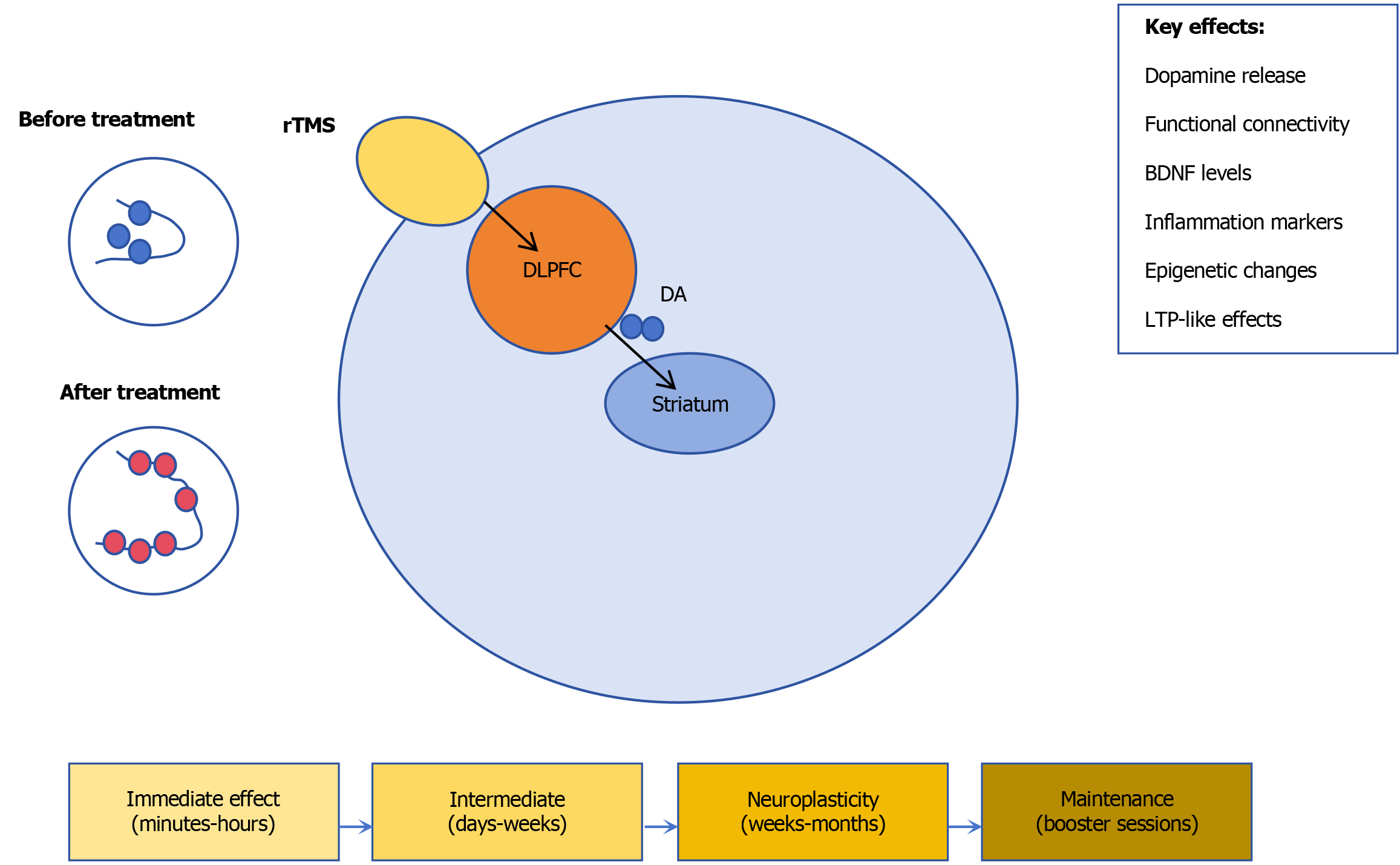
Figure 2 Mechanism of Action: Regulation of prefrontal-striatal dopamine pathway and promotion of neuroplasticity.
The diagram shows how repetitive transcranial magnetic stimulation (rTMS) treats Parkinson’s depression by stimulating the dorsolateral prefrontal cortex brain region to increase dopamine flow to the striatum. It compares fewer synaptic connections before treatment with more connections after treatment. Key effects include increased dopamine, improved brain connectivity, higher brain-derived neurotrophic factor levels, and reduced inflammation. Treatment progresses through four phases: Immediate effects (minutes-hours), intermediate changes (days-weeks), neuroplasticity (weeks-months), and maintenance sessions. The image effectively illustrates rTMS’s dual action of enhancing dopamine pathways and promoting brain plasticity to relieve depression in Parkinson’s patients. rTMS: Repetitive transcranial magnetic stimulation; DA: Dopamine; DLPFC: Dorsolateral prefrontal cortex; LTP: Long-term potentiation; BDNF: Brain-derived neurotrophic factor.
- Citation: Zhou XL, Li Y, Xia W, Zheng YY, Wu AP. Advances in transcranial magnetic stimulation for psychological symptom management in Parkinson’s disease. World J Psychiatry 2025; 15(9): 108497
- URL: https://www.wjgnet.com/2220-3206/full/v15/i9/108497.htm
- DOI: https://dx.doi.org/10.5498/wjp.v15.i9.108497