
















©The Author(s) 2025.
World J Psychiatry. Dec 19, 2025; 15(12): 111754
Published online Dec 19, 2025. doi: 10.5498/wjp.v15.i12.111754
Published online Dec 19, 2025. doi: 10.5498/wjp.v15.i12.111754
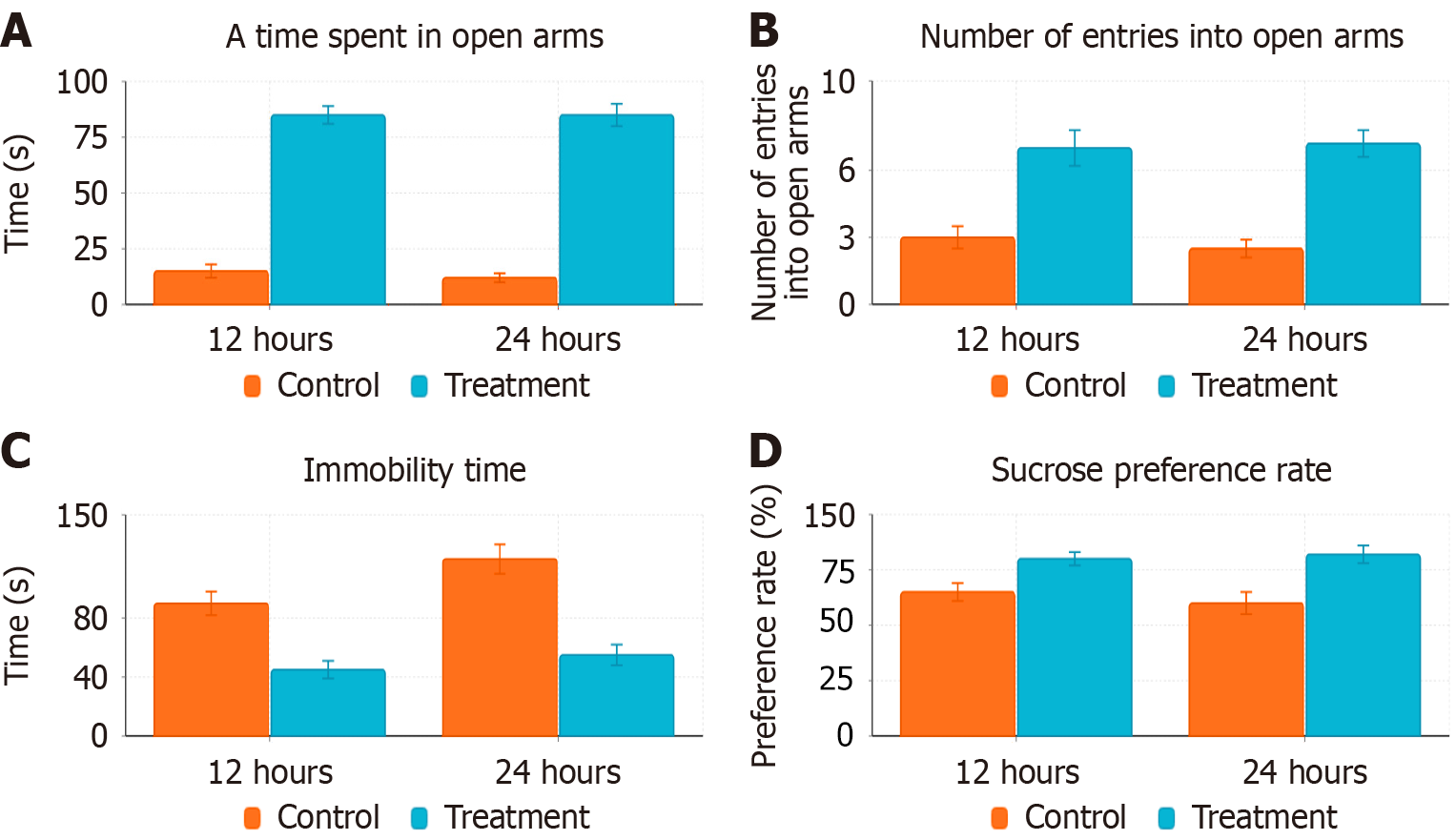
Figure 1 Emotional behavioral test results in subarachnoid hemorrhage model rats.
A and B: Elevated plus maze test shows that subarachnoid hemorrhage (SAH) group rats exhibited significant anxiety-like behavior, with reduced time spent in open arms (A) and decreased number of entries into open arms (B); C: Forced swimming test shows that SAH group rats exhibited significant depression-like behavior, with prolonged immobility time; D: Sucrose preference test shows that SAH group rats exhibited obvious anhedonia. Compared with the sham operation group (cyan bars), the SAH group (orange bars) displayed anxiety and depression symptoms that appeared at 12 hours after hemorrhage and further worsened at 24 hours. Data are presented as mean ± SD, compared with the sham operation group.
- Citation: Qin L, Wang K, Jiang LP, Xiao Z, Luo S. Correlation between anxiety-depression disorders and brain structural connectivity abnormalities after subarachnoid hemorrhage. World J Psychiatry 2025; 15(12): 111754
- URL: https://www.wjgnet.com/2220-3206/full/v15/i12/111754.htm
- DOI: https://dx.doi.org/10.5498/wjp.v15.i12.111754