
















©The Author(s) 2025.
World J Psychiatry. Nov 19, 2025; 15(11): 108713
Published online Nov 19, 2025. doi: 10.5498/wjp.v15.i11.108713
Published online Nov 19, 2025. doi: 10.5498/wjp.v15.i11.108713
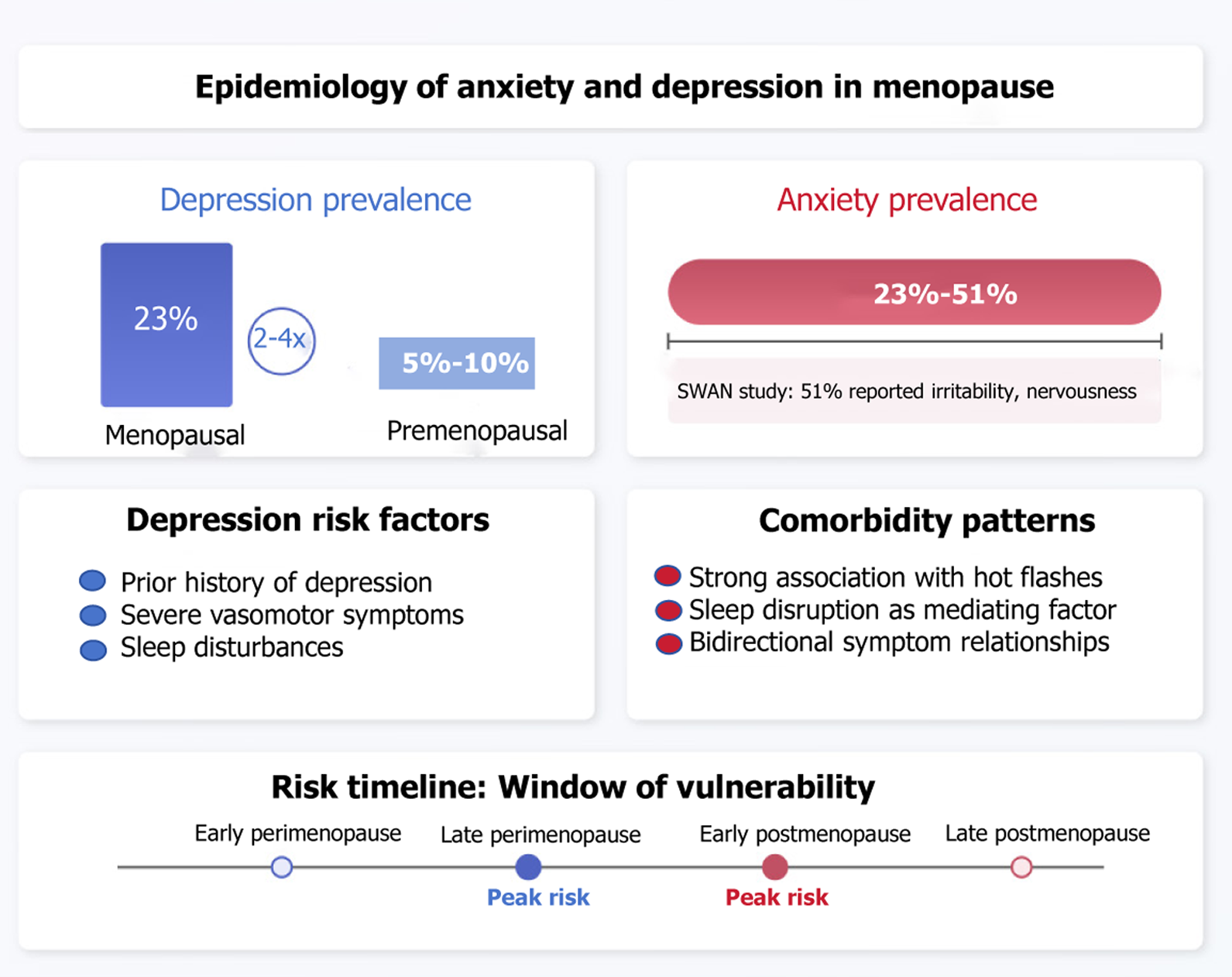
Figure 1 Epidemiology of anxiety and depression in menopause.
This figure presents the prevalence rates, risk factors, comorbidity patterns, and temporal vulnerability patterns of mood disorders during the menopausal transition. Depression prevalence reaches 23% in menopausal women (2.4-fold higher than premenopausal women), while anxiety prevalence ranges from 23% to 51%. The “window of vulnerability” concept illustrates peak risk periods during late perimenopause and early postmenopause, with sleep disruption serving as a key mediating factor in the bidirectional relationships between vasomotor symptoms and mood disorders.
- Citation: Lang XL, Huang CC, Cui HY, Zhong HX, Shen MY, Zhao F. From physiology to psychology: An integrative review of menopausal syndrome. World J Psychiatry 2025; 15(11): 108713
- URL: https://www.wjgnet.com/2220-3206/full/v15/i11/108713.htm
- DOI: https://dx.doi.org/10.5498/wjp.v15.i11.108713