
















©The Author(s) 2025.
World J Exp Med. Dec 20, 2025; 15(4): 113869
Published online Dec 20, 2025. doi: 10.5493/wjem.v15.i4.113869
Published online Dec 20, 2025. doi: 10.5493/wjem.v15.i4.113869
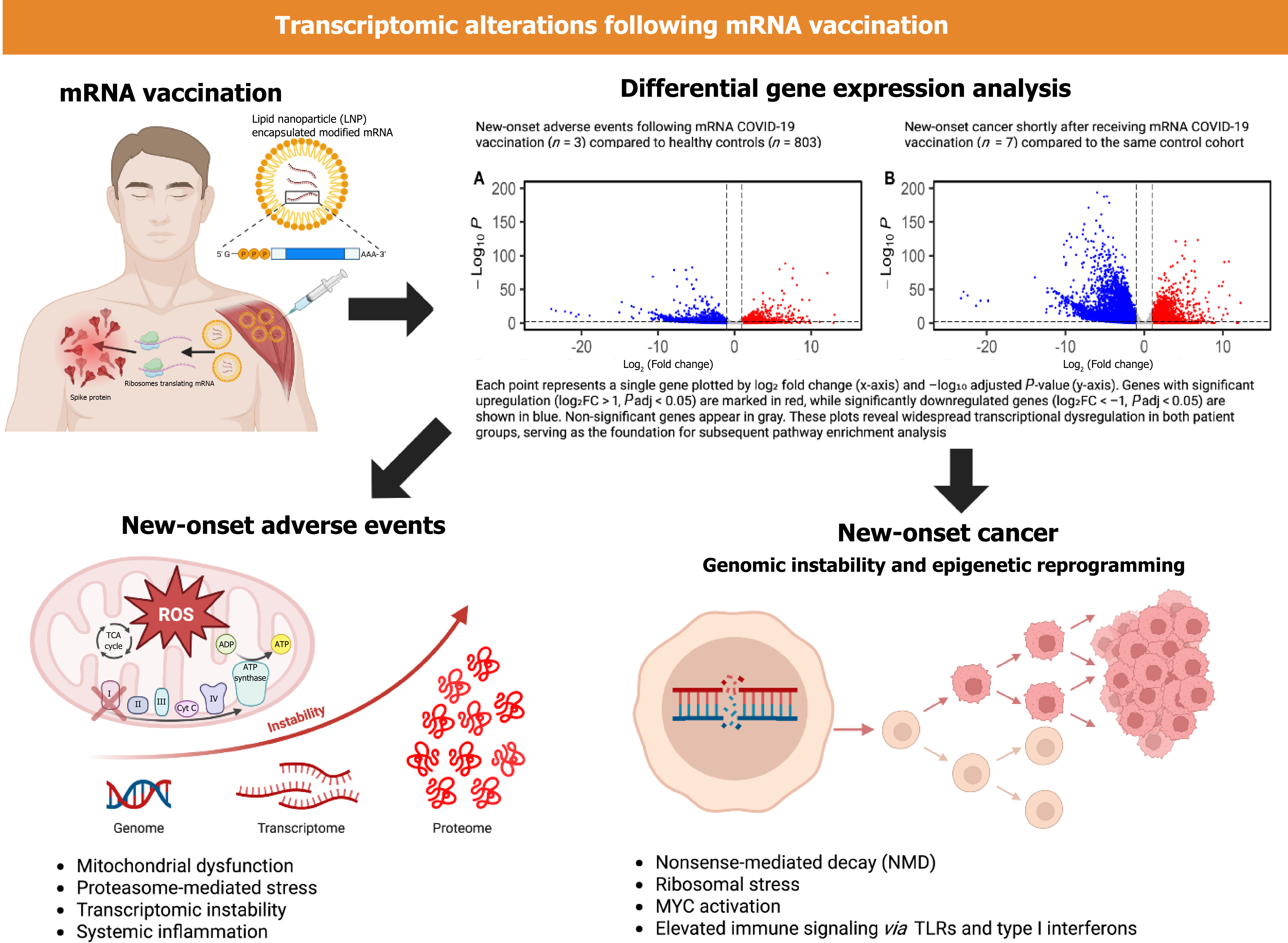
Figure 4 Transcriptomic alterations following messenger RNA vaccination.
This central illustration summarizes the experimental design, core findings, and proposed molecular mechanisms underlying transcriptomic dysregulation following synthetic messenger RNA (mRNA) coronavirus disease 2019 vaccination. Top left: Schematic of mRNA vaccination, showing lipid nanoparticle-encapsulated, chemically modified mRNA encoding spike protein delivered into host cells, initiating persistent translation and immunologic engagement. Top right: Volcano plots depict global differential gene expression in peripheral blood samples from two affected cohorts vs normal controls (n = 803). Left: Individuals with new-onset nonmalignant adverse events (n = 3). Right: Individuals with new-onset cancer (n = 7). Upregulated genes [log2FC > 1, adjusted P value (Padj) < 0.05] are shown in red; downregulated genes (log2FC < -1, Padj < 0.05) in blue; non-significant genes in gray. Bottom left (new-onset adverse events): Transcriptomic analysis reveals enrichment of pathways linked to mitochondrial electron transport dysfunction and reactive oxygen species, proteasome-mediated protein degradation stress, mRNA surveillance activation, and systemic inflammatory signaling. Bottom right (new-onset cancer): Cancer patients exhibit hallmarks of oncogenesis, including genomic instability, epigenetic reprogramming, nonsense-mediated decay, ribosomal stress, myelocytomatosis oncogene-driven proliferative signaling, and persistent immune activation via toll-like receptors and type I interferons. COVID-19: Coronavirus disease 2019; mRNA: Messenger RNA; MYC: Myelocytomatosis oncogene; ROS: Reactive oxygen species; TCA: Tricarboxylic acid; TLRs: Toll-like receptors;
- Citation: Von Ranke NL, Zhang W, Anokhin P, Hulscher N, McKernan K, Mccullough P, Catanzaro J. Synthetic messenger RNA vaccines and transcriptomic dysregulation: Evidence from new-onset adverse events and cancers post-vaccination. World J Exp Med 2025; 15(4): 113869
- URL: https://www.wjgnet.com/2220-315x/full/v15/i4/113869.htm
- DOI: https://dx.doi.org/10.5493/wjem.v15.i4.113869