
















Copyright: ©Author(s) 2026.
World J Clin Oncol. Jul 24, 2026; 17(7): 121645
Published online Jul 24, 2026. doi: 10.5306/wjco.121645
Published online Jul 24, 2026. doi: 10.5306/wjco.121645
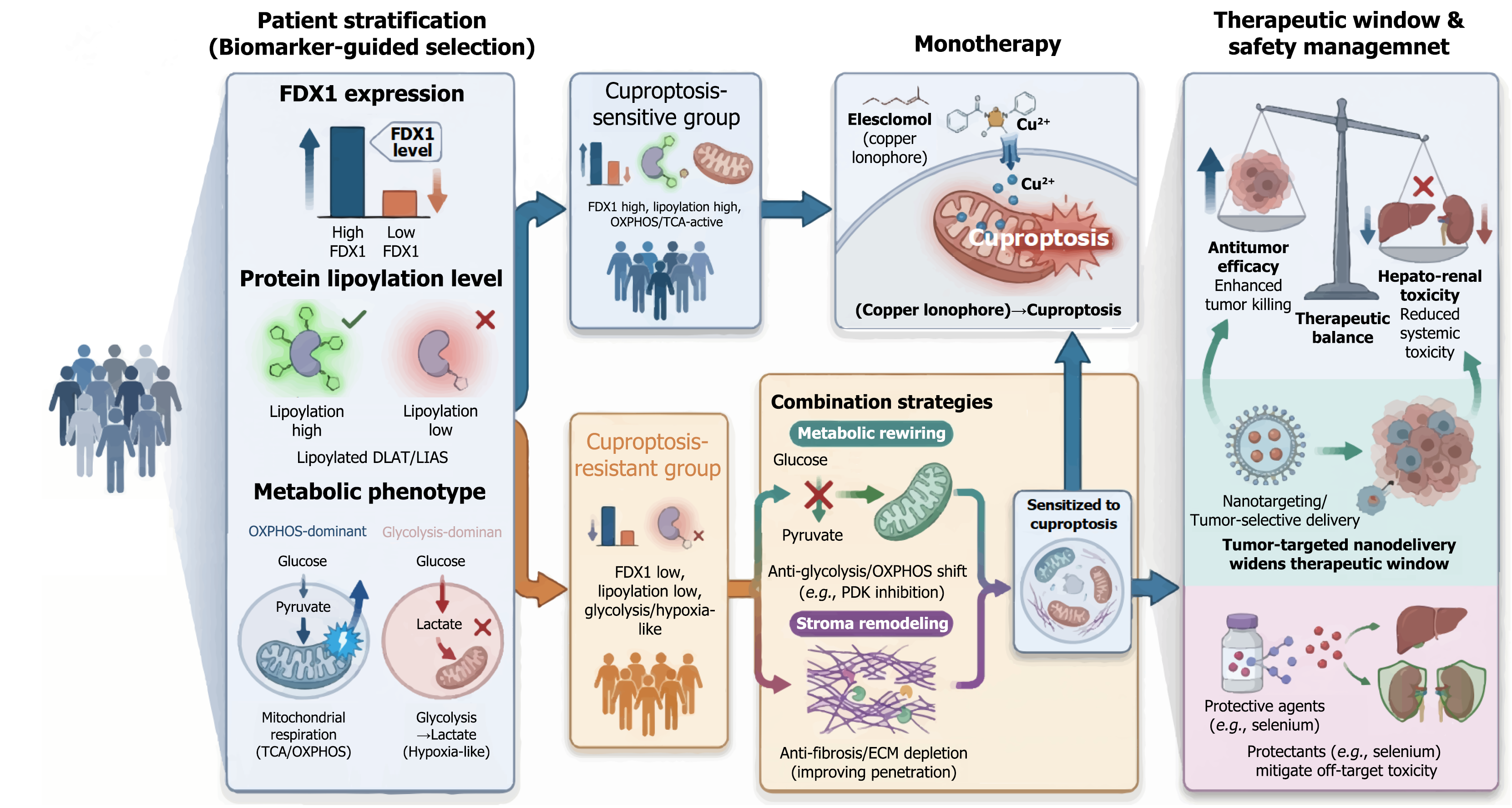
Figure 6 Clinical translation roadmap for precision cuproptosis-targeted therapy.
Precision cuproptosis therapy requires patient stratification according to ferredoxin 1 expression, protein lipoylation status, and metabolic phenotype. Tumors with high ferredoxin 1/Lipoylation and oxidative phosphorylation dependence may respond to copper ionophore-based therapy, whereas glycolytic or stromal-rich resistant tumors may require metabolic rewiring, stroma remodeling, or nanodelivery strategies. Protective agents such as selenium may further improve the therapeutic window by reducing off-target hepato-renal toxicity. FDX1: Ferredoxin 1; DLAT: Dihydrolipoamide S-acetyltransferase; LIAS: Lipoic acid synthase; TCA: Tricarboxylic acid cycle; OXPHOS: Oxidative phosphorylation; PDK: Pyruvate dehydrogenase kinase; ECM: Extracellular matrix.
- Citation: Sun ZJ, Wang K, Li JQ, Song LJ, Liang KN, Cao TL, Jiang HZ. Copper homeostasis imbalance and cuproptosis: Emerging targets and strategies for gastrointestinal tumor therapy. World J Clin Oncol 2026; 17(7): 121645
- URL: https://www.wjgnet.com/2218-4333/full/v17/i7/121645.htm
- DOI: https://dx.doi.org/10.5306/wjco.121645