
















Copyright: ©Author(s) 2026.
World J Clin Oncol. Jul 24, 2026; 17(7): 121645
Published online Jul 24, 2026. doi: 10.5306/wjco.121645
Published online Jul 24, 2026. doi: 10.5306/wjco.121645
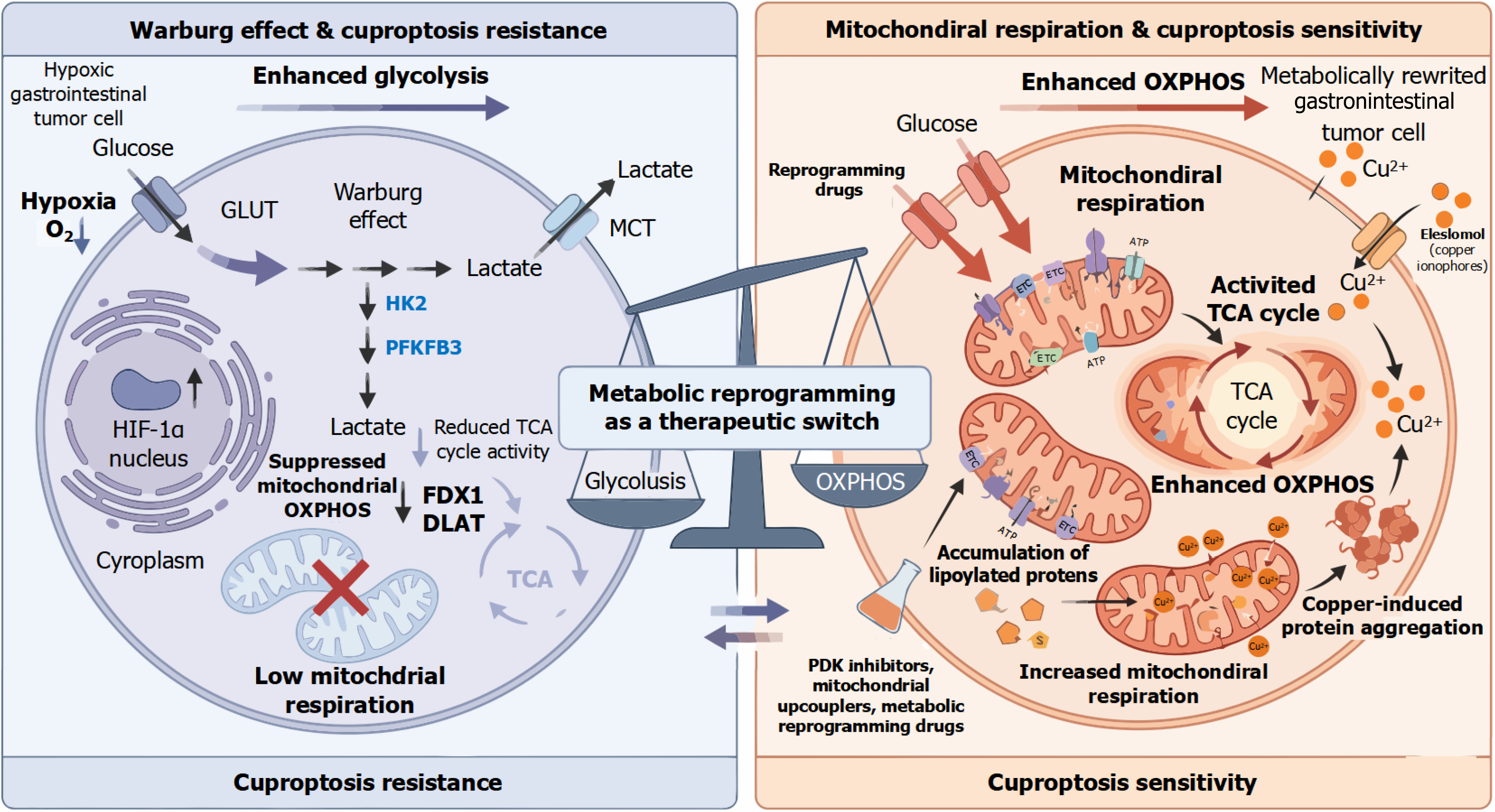
Figure 2 Metabolic reprogramming determines cuproptosis sensitivity.
The Warburg phenotype promotes glycolysis, suppresses mitochondrial oxidative phosphorylation and the tricarboxylic acid cycle, and reduces ferredoxin 1/dihydrolipoamide S-acetyltransferase -dependent cuproptosis sensitivity. In contrast, metabolic rewiring by pyruvate dehydrogenase kinase inhibition, mitochondrial activation, or related interventions restores tricarboxylic acid cycle/oxidative phosphorylation activity and increases lipoylated protein accumulation. Under this respiratory state, copper ionophores such as elesclomol enhance copper toxicity and resensitize gastrointestinal tumor cells to cuproptosis. GLUT: Glucose transporter; HIF: Hypoxia-inducible factor; MCT: Monocarboxylate transporter; HK2: Hexokinase 2; PFKFB3: 6-Phosphofructo-2-kinase/fructose-2,6-bisphosphatase 3; TCA: Tricarboxylic acid cycle; OXPHOS: Oxidative phosphorylation; FDX1: Ferredoxin 1; DLAT: Dihydrolipoamide S-acetyltransferase; ATP: Adenosine triphosphate; ETC: Electron transport chain; PDK: Pyruvate dehydrogenase kinase.
- Citation: Sun ZJ, Wang K, Li JQ, Song LJ, Liang KN, Cao TL, Jiang HZ. Copper homeostasis imbalance and cuproptosis: Emerging targets and strategies for gastrointestinal tumor therapy. World J Clin Oncol 2026; 17(7): 121645
- URL: https://www.wjgnet.com/2218-4333/full/v17/i7/121645.htm
- DOI: https://dx.doi.org/10.5306/wjco.121645