
















Copyright: ©Author(s) 2026.
World J Clin Oncol. Apr 24, 2026; 17(4): 118606
Published online Apr 24, 2026. doi: 10.5306/wjco.v17.i4.118606
Published online Apr 24, 2026. doi: 10.5306/wjco.v17.i4.118606
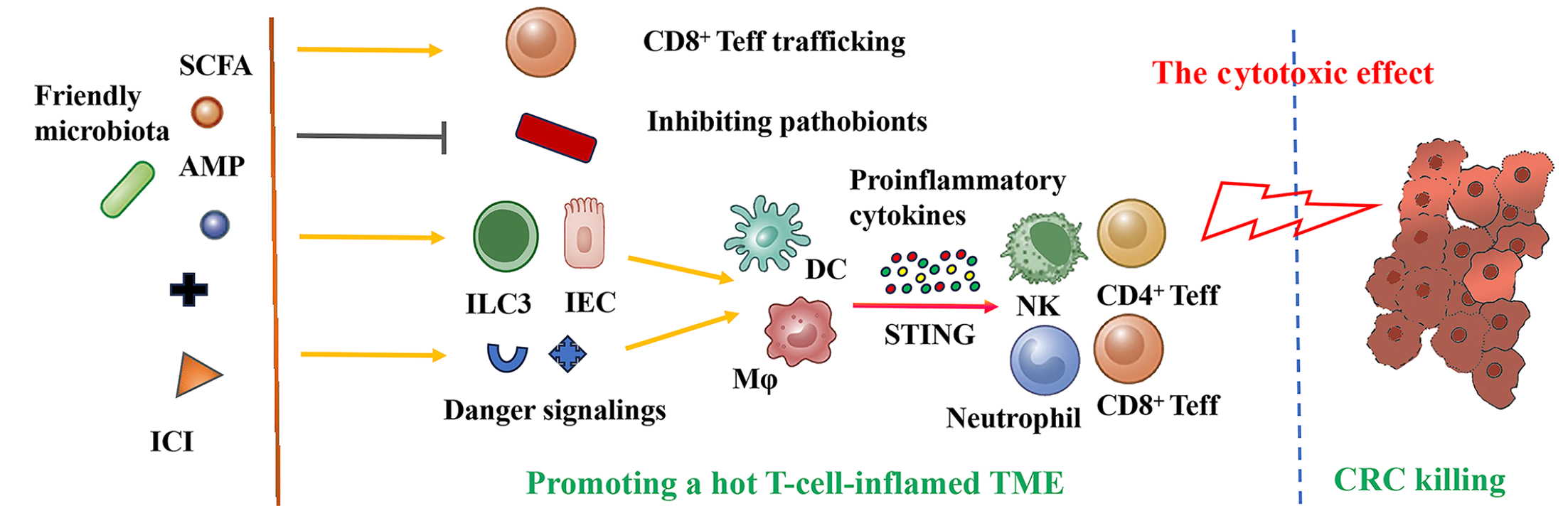
Figure 2 Key mechanisms by which the gut microbiome reinforces immune checkpoint inhibitor’ antitumor efficacy.
When responding to immune cells, friendly microbiota and metabolites facilitate host innate and adaptive immune responses, stimulating “cold-warm-hot” tumor microenvironment transition. They inhibit pathobionts and promote CD8+ effector T-cell infiltration. As “danger” signals, they are cross-presented by antigen-presenting cells (e.g., macrophage, dendritic cell) to activate natural killer cell, neutrophil, and CD8+ and CD4+ effector T-cell via the stimulator of interferon genes signaling and facilitate immune-mediated tumor clearance. AMP: Antimicrobial peptide; SCFA: Short-chain fatty acid; ICI: Immune checkpoint inhibitor; Teff: Effector T-cell; ILC3: Innate lymphoid cell 3; IEC: Intestinal epithelial cell; DC: Dendritic cell; Mφ: Macrophage; STING: Stimulator of interferon genes; NK: Natural killer cell; CRC: Colorectal cancer; TME: Tumor microenvironment.
- Citation: Ti DD, Liu P, Wu CY, Shi ZM, Guo SM, Gao ZC. Host and gut microbiota crosstalk: A new paradigm for colorectal cancer immunotherapy. World J Clin Oncol 2026; 17(4): 118606
- URL: https://www.wjgnet.com/2218-4333/full/v17/i4/118606.htm
- DOI: https://dx.doi.org/10.5306/wjco.v17.i4.118606