
















Copyright: ©Author(s) 2026.
World J Clin Oncol. Apr 24, 2026; 17(4): 117705
Published online Apr 24, 2026. doi: 10.5306/wjco.v17.i4.117705
Published online Apr 24, 2026. doi: 10.5306/wjco.v17.i4.117705
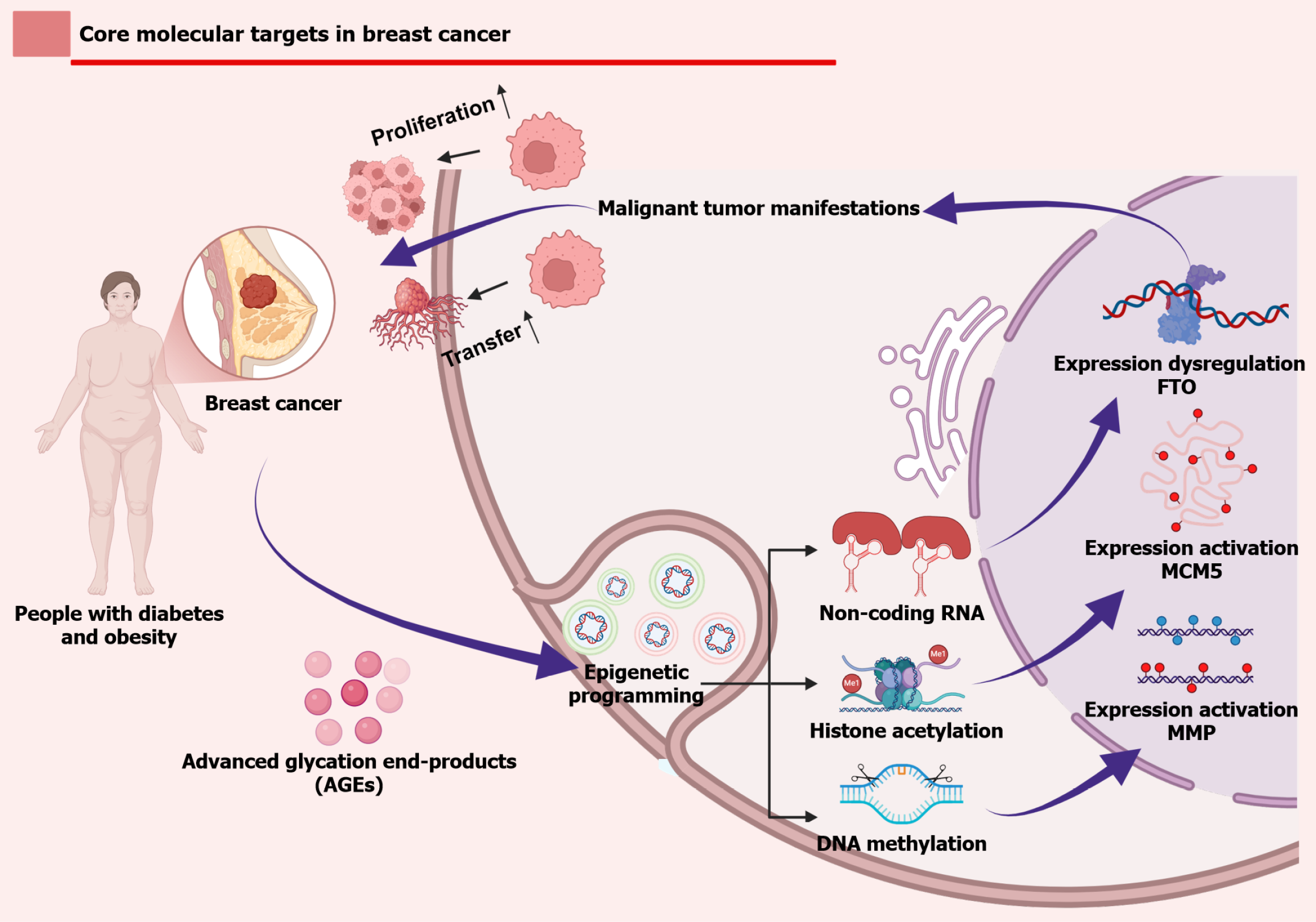
Figure 4 Systemic metabolic perturbations.
Created in BioRender. Including hyperglycaemia, advanced glycation end products, and obesity - remodel the epigenetic landscape through DNA demethylation, histone acetylation, and non-coding RNA regulation, leading to activation of metastasis-associated matrix metalloproteinase-9 and cell cycle gene MCM5, along with dysregulation of obesity-associated genes such as FTO. These changes collectively drive oncogenic phenotypes including proliferation, invasion, and therapy resistance, while molecular interventions - via small molecules or biologics - target key nodes to suppress these epigenetically-driven malignant programmes. MMP: Matrix metalloproteinase; AGEs: Advanced glycation end products.
- Citation: Zhang SH, Yang Y, Zhang Y. Breast cancer and metabolic comorbidities: From epidemiology and molecular mechanisms to precision interventions. World J Clin Oncol 2026; 17(4): 117705
- URL: https://www.wjgnet.com/2218-4333/full/v17/i4/117705.htm
- DOI: https://dx.doi.org/10.5306/wjco.v17.i4.117705