
















Copyright: ©Author(s) 2026.
World J Clin Oncol. Apr 24, 2026; 17(4): 117197
Published online Apr 24, 2026. doi: 10.5306/wjco.v17.i4.117197
Published online Apr 24, 2026. doi: 10.5306/wjco.v17.i4.117197
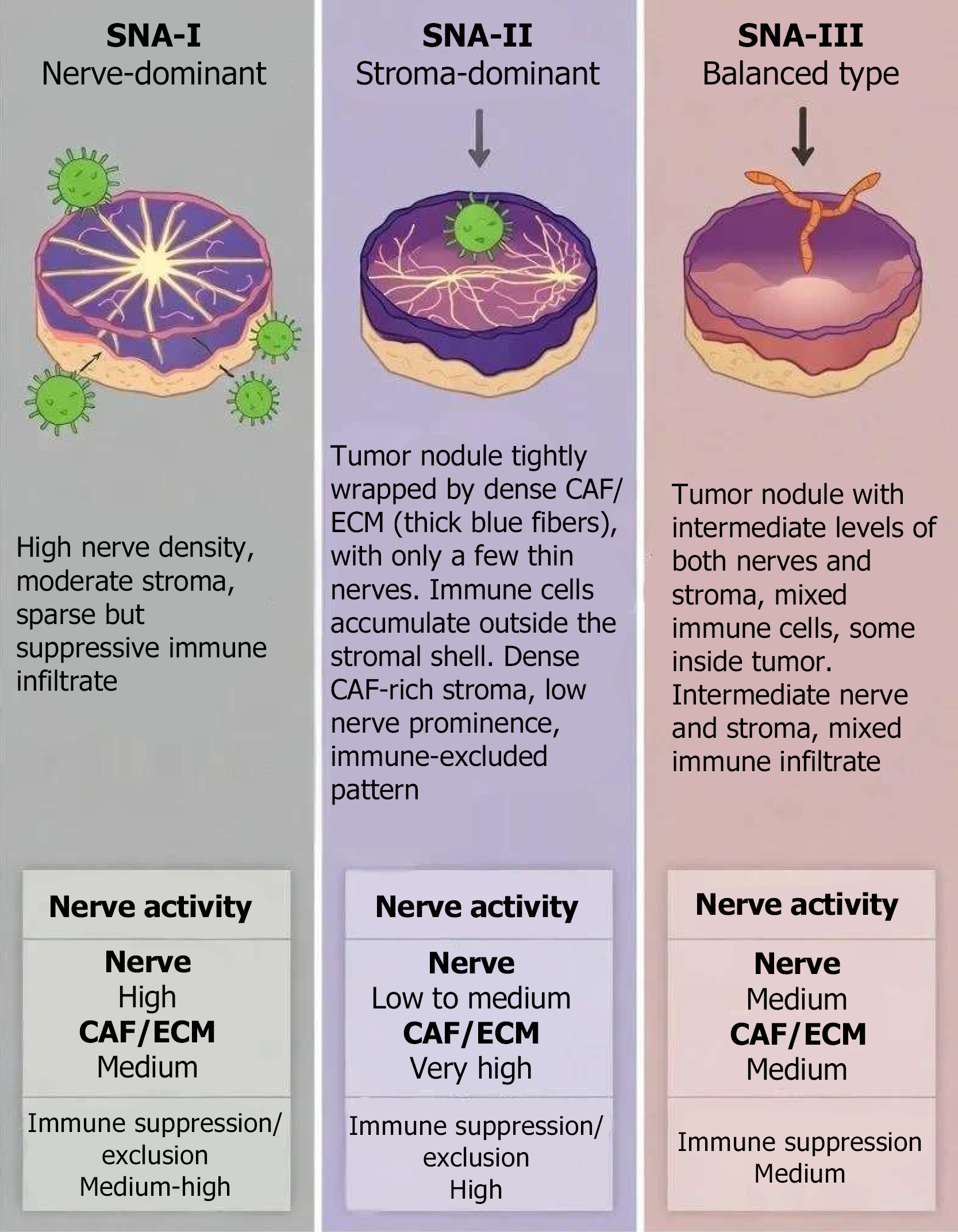
Figure 2 Hypothetical stroma-nerve axis phenotypes in pancreatic ductal adenocarcinoma.
Conceptual illustration of three stroma-nerve axis (SNA) activation patterns: SNA-I (nerve-dominant), with high nerve density, moderate stroma and sparse but suppressive immune infiltrates; SNA-II (stroma-dominant), with very dense cancer-associated fibroblast-rich stroma, low nerve prominence and an immune-excluded pattern; and SNA-III (balanced type), with intermediate nerve and stroma and a mixed immune infiltrate. The feature boxes summarize the relative levels of nerve activity, cancer-associated fibroblast/extracellular matrix and immune suppression/exclusion. These phenotypes are hypothesis-generating constructs and do not represent validated clinical subtypes. SNA: Stroma-nerve axis; CAF: Cancer-associated fibroblasts; ECM: Extracellular matrix.
- Citation: Yu YN, Jin SQ, Lu YT, Han LZ. Stroma-nerve axis in pancreatic ductal adenocarcinoma: Bidirectional regulatory mechanisms and clinical translation hypothesis. World J Clin Oncol 2026; 17(4): 117197
- URL: https://www.wjgnet.com/2218-4333/full/v17/i4/117197.htm
- DOI: https://dx.doi.org/10.5306/wjco.v17.i4.117197