
















©The Author(s) 2026.
World J Clin Oncol. Feb 24, 2026; 17(2): 115289
Published online Feb 24, 2026. doi: 10.5306/wjco.v17.i2.115289
Published online Feb 24, 2026. doi: 10.5306/wjco.v17.i2.115289
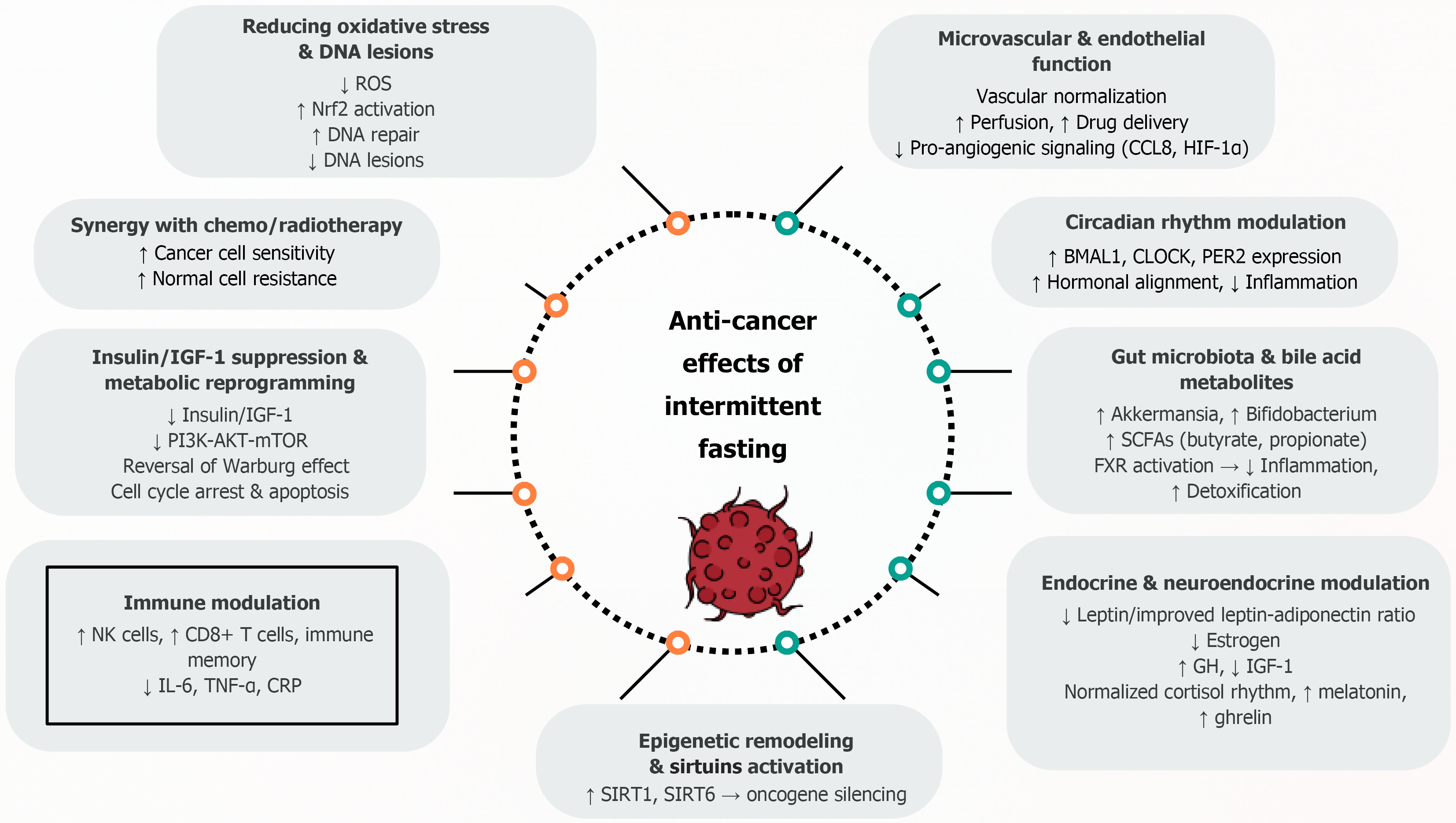
Figure 1 Mechanisms of intermittent fasting in cancer prevention and therapy.
This figure depicts the proposed multidimensional anti-cancer mechanisms of intermittent fasting (IF), integrating metabolic, immunological, endocrine, and epigenetic pathways. IF attenuates oxidative stress and DNA damage, suppresses insulin/insulin-like growth factor 1 signaling, enhances immune surveillance, and improves vascular function. Additional mechanisms include modulation of gut microbiota-derived metabolites, alignment of the circadian rhythm, favorable endocrine adaptations, and activation of key epigenetic regulators, such as sirtuins. These interconnected mechanisms collectively enhance responsiveness to cancer therapy, positioning IF as a promising adjunctive strategy in integrative oncology. ROS: Reactive oxygen species; Nrf2: Nuclear factor erythroid 2-related factor 2; IGF-1: Insulin-like growth factor 1; PI3K: Phosphoinositide 3-kinase; AKT: Protein kinase B; mTOR: Mammalian target of rapamycin; NK: Natural killer; IL: Interleukin; TNF: Tumor necrosis factor; CRP: C-reactive protein; SIRT: Sirtuin; CCL8: Chemokine (C-C motif) ligand 8; HIF: Hypoxia-inducible factor 1; BMAL1: Brain and muscle ARNT-like 1; CLOCK: Circadian locomotor output cycles kaput; PER2: Period circadian regulator 2; SCFA: Short-chain fatty acid; FXR: Farnesoid X receptor; GH: Growth hormone.
- Citation: Abdalla MMI, Bhatnagar P, Zulkaflee MHB, Mohammed Irfan AMS, Eid N. Intermittent fasting enhances cancer therapy via autophagy-dependent and independent mechanisms: Evidence and implications. World J Clin Oncol 2026; 17(2): 115289
- URL: https://www.wjgnet.com/2218-4333/full/v17/i2/115289.htm
- DOI: https://dx.doi.org/10.5306/wjco.v17.i2.115289