
















Copyright: ©Author(s) 2026.
World J Clin Oncol. Oct 24, 2026; 17(10): 125453
Published online Oct 24, 2026. doi: 10.5306/wjco.125453
Published online Oct 24, 2026. doi: 10.5306/wjco.125453
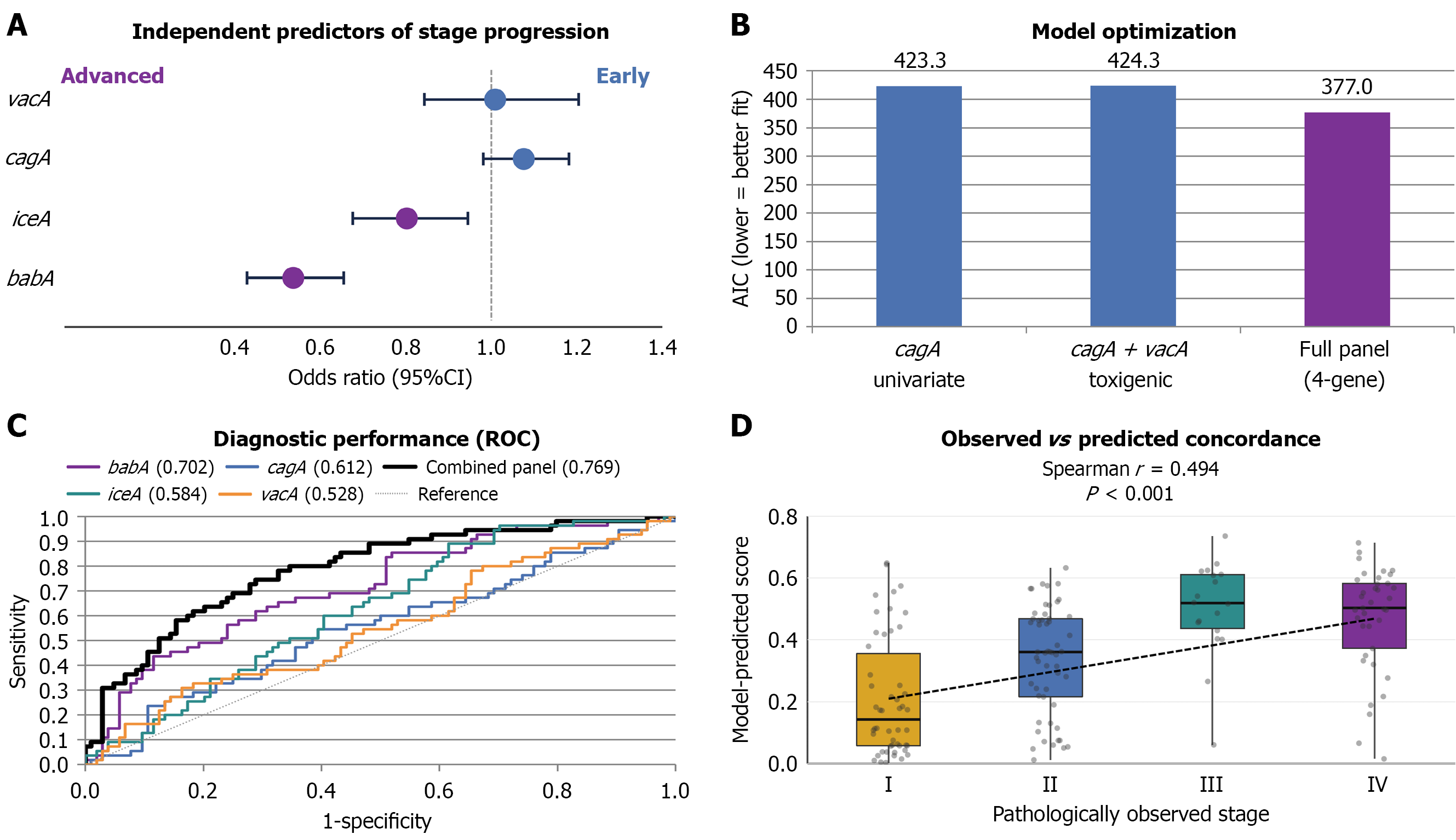
Figure 3 Validation and discriminative utility of the multigene transcriptional signature (n = 159).
A: Odds ratios (OR) with 95%CIs are displayed. Blood group antigen-binding adhesin A (babA) (OR = 0.536) and induced by contact with epithelium gene A (OR = 0.802) are the only independent discriminators of advanced-stage disease that reach statistical significance (purple markers, P < 0.05); B: Comparison of Akaike information criterion scores indicates superior fit for the full panel (377) relative to the univariate (423.3) and dual-toxin (424.3) models; C: Receiver operating characteristic analysis shows that the combined signature (thick black line) reaches an area under the curve of 0.769 (apparent; falling to 0.747 on pooled 5-fold cross-validation) and performs better than the individual markers; D: Boxplots show a significant relationship between pathological stage and transcriptional scores (Spearman r = 0.494, P < 0.001), with babA downregulation providing the strongest association. ROC: Receiver operating characteristic; cagA: Cytotoxin-associated gene A; vacA: Vacuolating cytotoxin A; babA: Blood group antigen-binding adhesin A; iceA: Induced by contact with epithelium gene A.
- Citation: Mbuthia O, Mahjabeen I, Kayani M, Mehmood A, Obiero J, Matsumoto T, Bosire K, Mureithi M. Helicobacter pylori virulence gene expression defines a stage-associated transcriptional signature in gastric cancer. World J Clin Oncol 2026; 17(10): 125453
- URL: https://www.wjgnet.com/2218-4333/full/v17/i10/125453.htm
- DOI: https://dx.doi.org/10.5306/wjco.125453