
















Copyright: ©Author(s) 2026.
World J Clin Oncol. Oct 24, 2026; 17(10): 125453
Published online Oct 24, 2026. doi: 10.5306/wjco.125453
Published online Oct 24, 2026. doi: 10.5306/wjco.125453
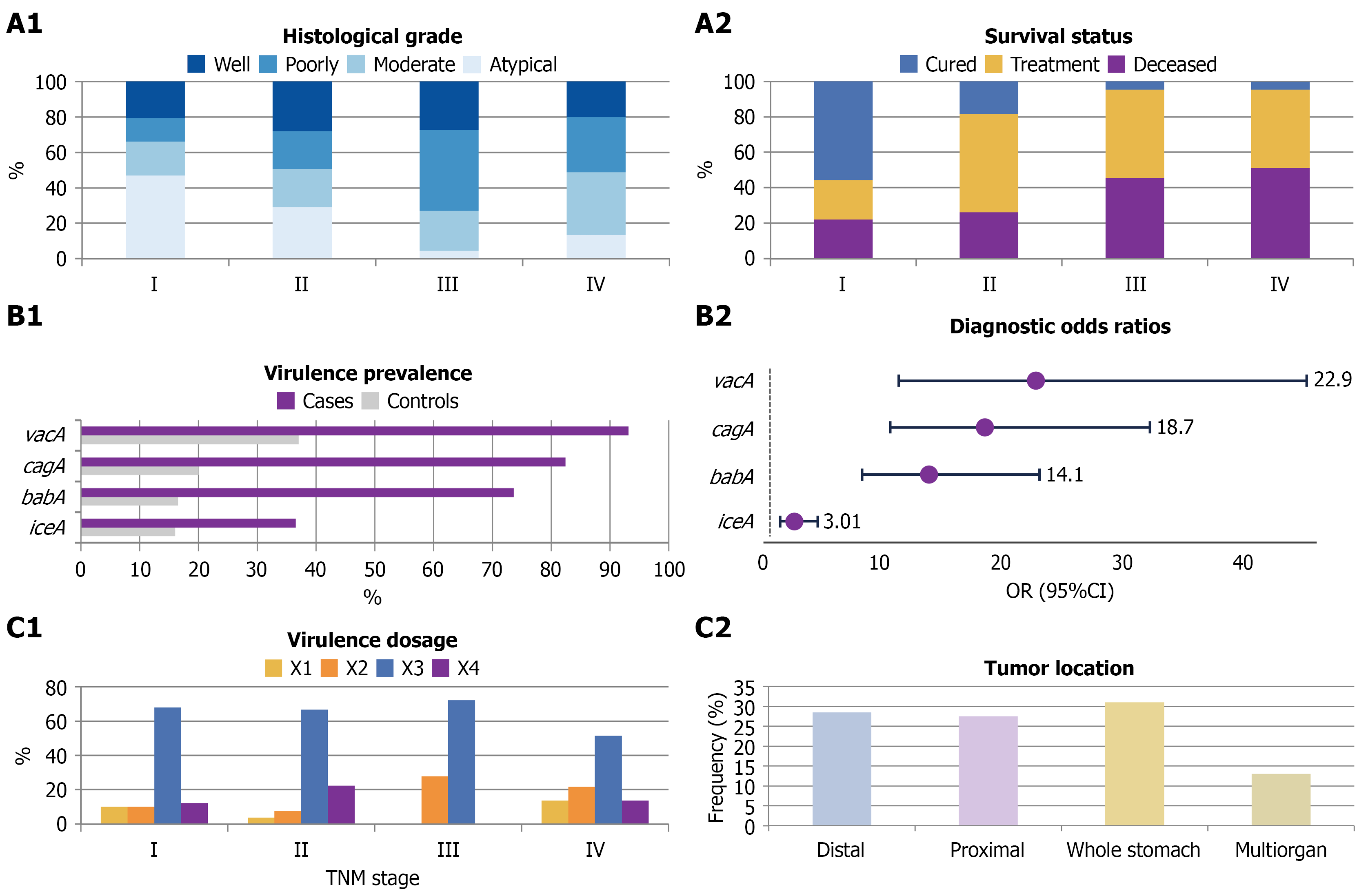
Figure 1 Clinicopathological and molecular profile of gastric cancer (n = 200).
A: Clinical progression (A1 and A2) demonstrates a stage-dependent movement toward poorer tumor differentiation (P = 0.001), accompanied by a pronounced reduction in cure rates from 55.9% in stage I to 4.4% in stage IV (P < 0.001); B: Virulence-associated risk (B1-B2) compares the distributions of Helicobacter pylori (H. pylori) genotypes in cases and controls. The strongest associations with malignancy are observed for the toxigenic factors, particularly vacuolating cytotoxin A [odds ratio (OR) = 22.9] and cytotoxin-associated gene A (OR = 18.7) (P < 0.001); C: Genomic complexity and anatomy. Panel C1 depicts stage-related differences in virulence-gene accumulation (P = 0.045): The quadruple genotype (X4) reaches its highest frequency in stage II, whereas the triple genotype (X3) occurs more frequently in advanced disease. Panel C2 presents the distribution of tumor anatomical location across four categories. Data shown in B1, B2, and C1 were obtained from the molecularly confirmed H. pylori-positive sub-cohort (n = 159) for identification of pathogen-specific risk factors. TNM: Tumor-node-metastasis; OR: Odds ratio; CI: Confidence interval.
- Citation: Mbuthia O, Mahjabeen I, Kayani M, Mehmood A, Obiero J, Matsumoto T, Bosire K, Mureithi M. Helicobacter pylori virulence gene expression defines a stage-associated transcriptional signature in gastric cancer. World J Clin Oncol 2026; 17(10): 125453
- URL: https://www.wjgnet.com/2218-4333/full/v17/i10/125453.htm
- DOI: https://dx.doi.org/10.5306/wjco.125453