
















©The Author(s) 2025.
World J Clin Oncol. Sep 24, 2025; 16(9): 110686
Published online Sep 24, 2025. doi: 10.5306/wjco.v16.i9.110686
Published online Sep 24, 2025. doi: 10.5306/wjco.v16.i9.110686
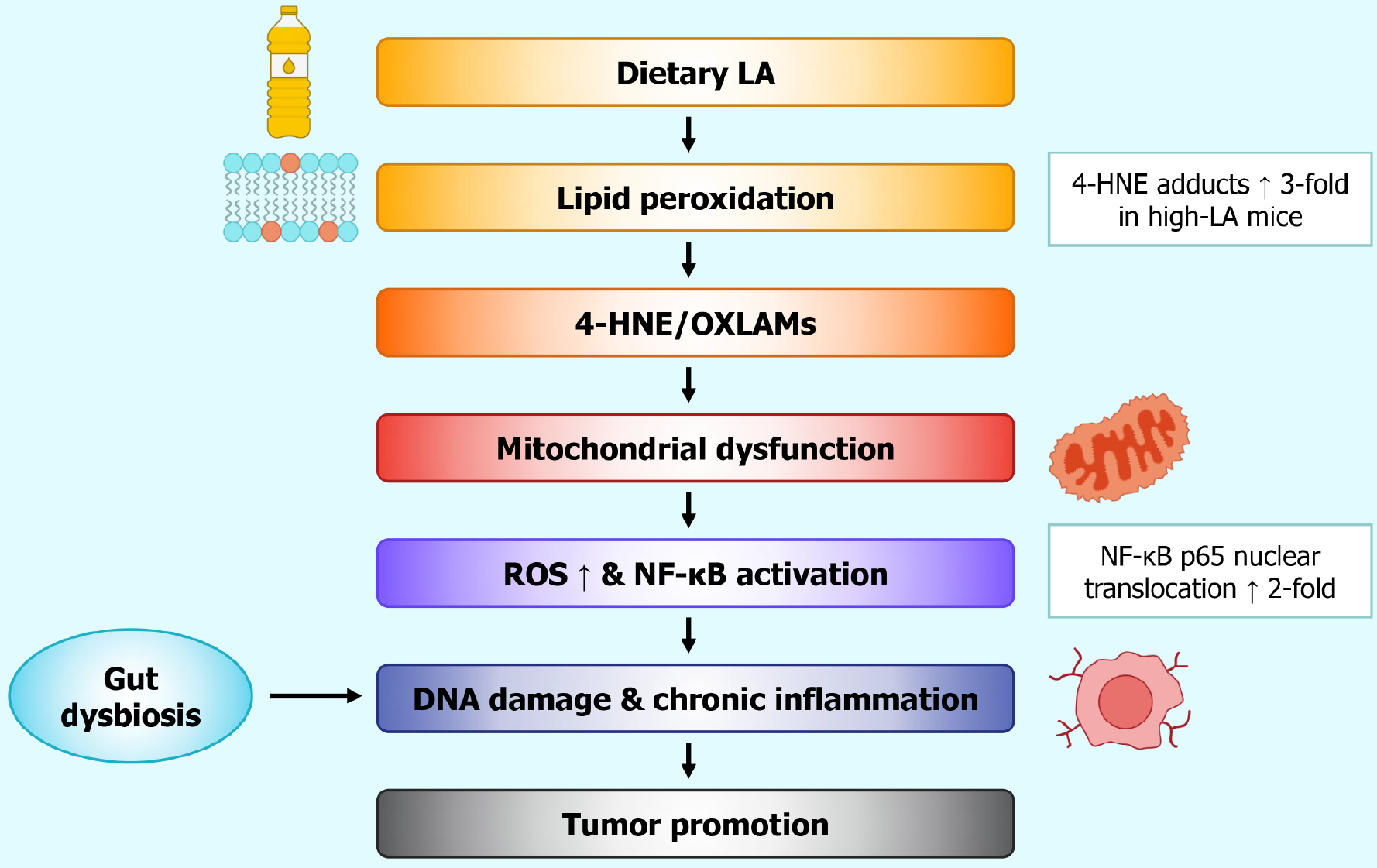
Figure 2 Linoleic acid-induced succinate build-up triggers pseudohypoxic hypoxia-inducible factor-1α stabilization and tumor-promoting glucose transporter type 1/vascular endothelial growth factor signaling.
Excess β-oxidation of linoleic acid overloads succinate dehydrogenase, elevating mitochondrial succinate that inhibits prolyl-hydroxylase, thereby stabilizing hypoxia-inducible factor-1α despite normoxia (“pseudohypoxia”). The resulting transcription of glucose transporter type 1 and vascular endothelial growth factor supports glycolytic flux and neovascularization, hallmarks of aggressive tumor growth. LA: Linoleic acid; 4-HNE: 4-hydroxynonenal; OXLAMs: Oxidized linoleic acid metabolites; ROS: Reactive oxygen species; NF-κB: Nuclear factor kappa-light-chain-enhancer of activated B cells.
- Citation: Mercola J. Historical rise of cancer and dietary linoleic acid: Mechanisms and therapeutic strategies. World J Clin Oncol 2025; 16(9): 110686
- URL: https://www.wjgnet.com/2218-4333/full/v16/i9/110686.htm
- DOI: https://dx.doi.org/10.5306/wjco.v16.i9.110686