















©The Author(s) 2025.
World J Clin Oncol. Nov 24, 2025; 16(11): 112514
Published online Nov 24, 2025. doi: 10.5306/wjco.v16.i11.112514
Published online Nov 24, 2025. doi: 10.5306/wjco.v16.i11.112514
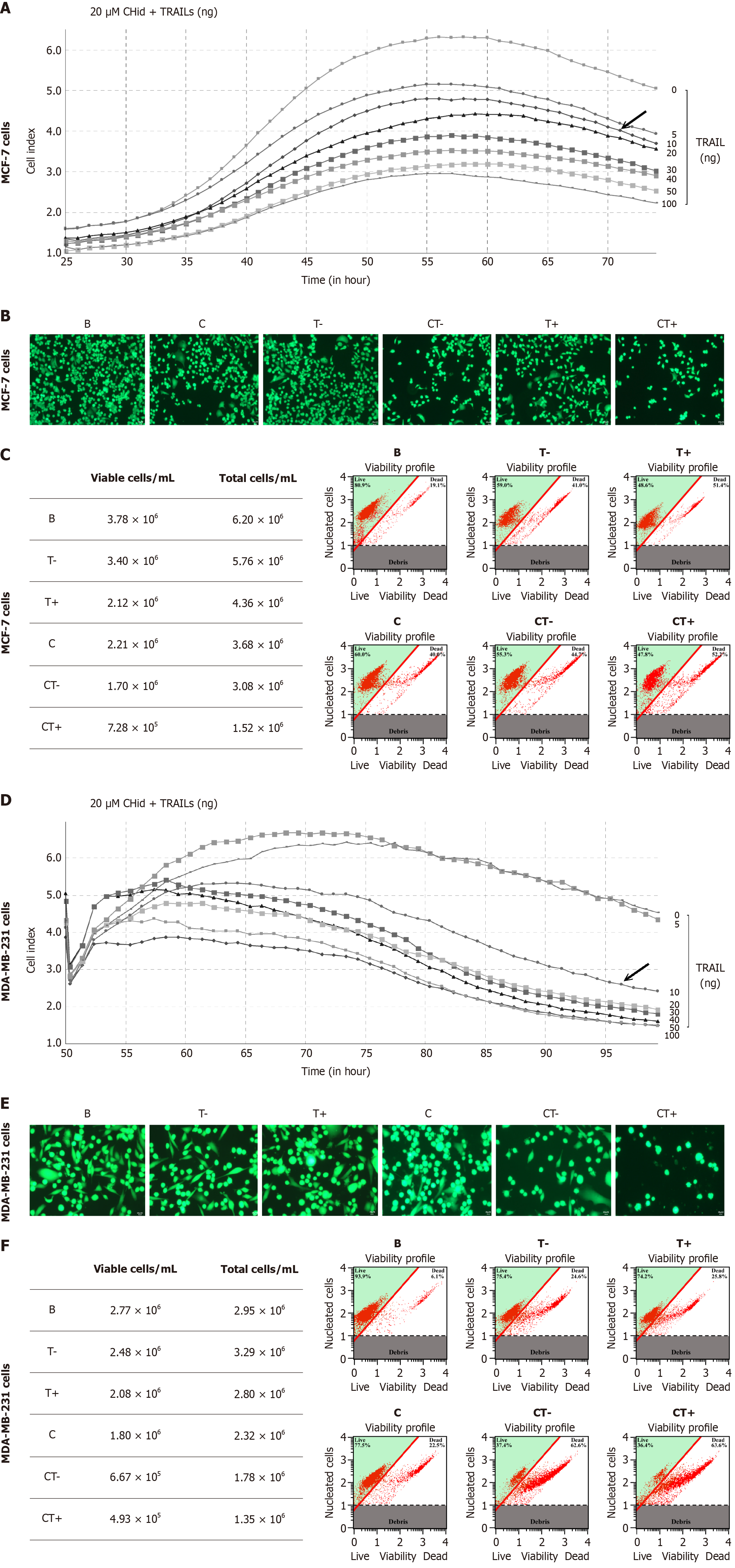
Figure 5 Exogenous secreted tumor necrosis factor-related apoptosis-inducing ligand could enhance the pharmacological effect of Chidamide on the growth of breast cancer cells.
A: Tumor necrosis factor-related apoptosis-inducing ligand (TRAIL) (0-100 ng/mL) and 20 μM Chidamide were treated with breast cancer MCF-7; B: Percentage of viable cells for MCF-7 cells; C: The pharmacological effects of different doses of TRAIL and Chidamide for MCF-7 cells; D: TRAIL (0-100 ng/mL) and 20 μM Chidamide were treated with breast cancer MDA-MB-231 cells; E: Percentage of viable cells for MDA-MB-231 cells; F: The pharmacological effects of different doses of TRAIL and Chidamide for MDA-MB-231 cells. Different doses of TRAIL (0-100 ng/mL) and 20 μM Chidamide were treated with breast cancer MCF-7 or MDA-MB-231 cells, and then detected the growth of breast cancer cells in the drug treatment environment with a cell dynamic analysis device. Cell viability assay was performed by the Muse Count and Viability reagent (Millipore) following the manufacturer’s protocols. The results were obtained with Muse Count and Viability software module and the statistics were shown the percentage of viable cells. Fluorescence microscopy was to confirm the pharmacological effects of different doses of TRAIL and Chidamide. The mean ± SD for three independent experiments and analyzed using Statistical Package for Social Science software. CHid: Chidamide; TRAIL: Tumor necrosis factor-related apoptosis-inducing ligand.
- Citation: Han H, Guo XY, Wen JX, Zhao XM, Zhou WQ. Immune regulation of Chidamide-induced Linc01010 accumulation in breast cancer cell death. World J Clin Oncol 2025; 16(11): 112514
- URL: https://www.wjgnet.com/2218-4333/full/v16/i11/112514.htm
- DOI: https://dx.doi.org/10.5306/wjco.v16.i11.112514