
















©The Author(s) 2025.
World J Clin Oncol. Nov 24, 2025; 16(11): 111419
Published online Nov 24, 2025. doi: 10.5306/wjco.v16.i11.111419
Published online Nov 24, 2025. doi: 10.5306/wjco.v16.i11.111419
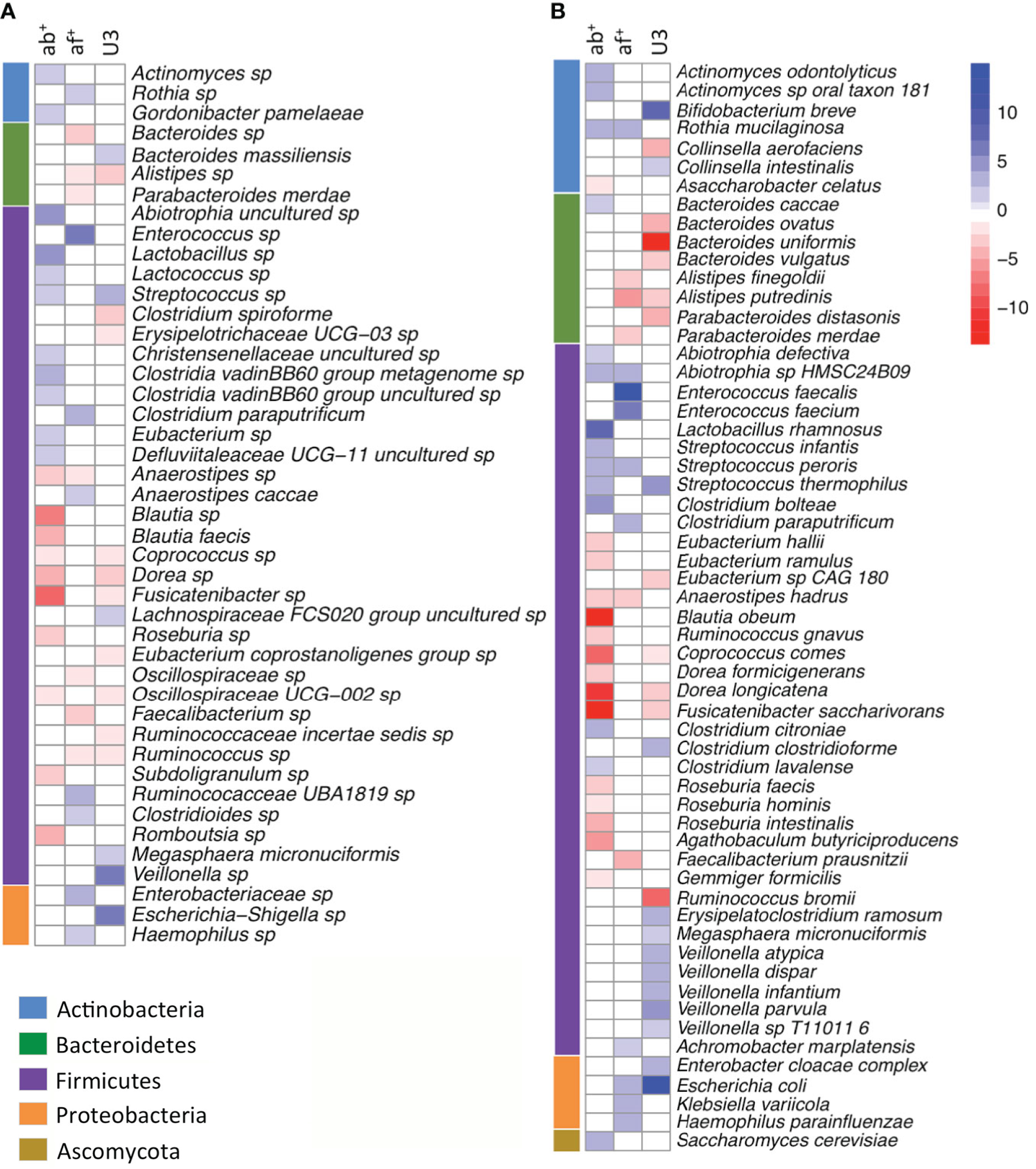
Figure 1 Multivariate analysis of gut microbiome changes associated with antimicrobial treatments[11].
A: 16S rRNA gene sequencing data; B: Whole shotgun metagenome sequencing data. Heatmaps showing bacterial taxa significantly associated with antibiotic use (ab+), antifungal use (af+), and age category (under 3 years of age, U3) using 16S rRNA gene sequencing data and whole shotgun metagenome sequencing data. Blue indicates taxa that increased with treatment or younger age; red indicates taxa that decreased with treatment or younger age. Taxa are organized by phylum, as indicated in the adjacent color bar. Note the consistent depletion of beneficial short-chain fatty acid-producing bacteria (Faecalibacterium, Anaerostipes, Dorea, Blautia) and the enrichment of opportunistic pathogens following antimicrobial treatment across both methodologies. Citation: Dunn KA, MacDonald T, Rodrigues GJ, Forbrigger Z, Bielawski JP, Langille MGI, Van Limbergen J, Kulkarni K. Antibiotic and antifungal use in pediatric leukemia and lymphoma patients are associated with increasing opportunistic pathogens and decreasing bacteria responsible for activities that enhance colonic defense. Front Cell Infect Microbiol 2022; 12: 924707. Copyright ©The Author(s) 2022. Published by Frontiers Media S.A (Supplementary material).
- Citation: Roganovic J, Radosevic M, Dordevic A. Role of the gut microbiome in the development and prognosis of pediatric leukemia. World J Clin Oncol 2025; 16(11): 111419
- URL: https://www.wjgnet.com/2218-4333/full/v16/i11/111419.htm
- DOI: https://dx.doi.org/10.5306/wjco.v16.i11.111419