
















©The Author(s) 2025.
World J Clin Oncol. Nov 24, 2025; 16(11): 110257
Published online Nov 24, 2025. doi: 10.5306/wjco.v16.i11.110257
Published online Nov 24, 2025. doi: 10.5306/wjco.v16.i11.110257
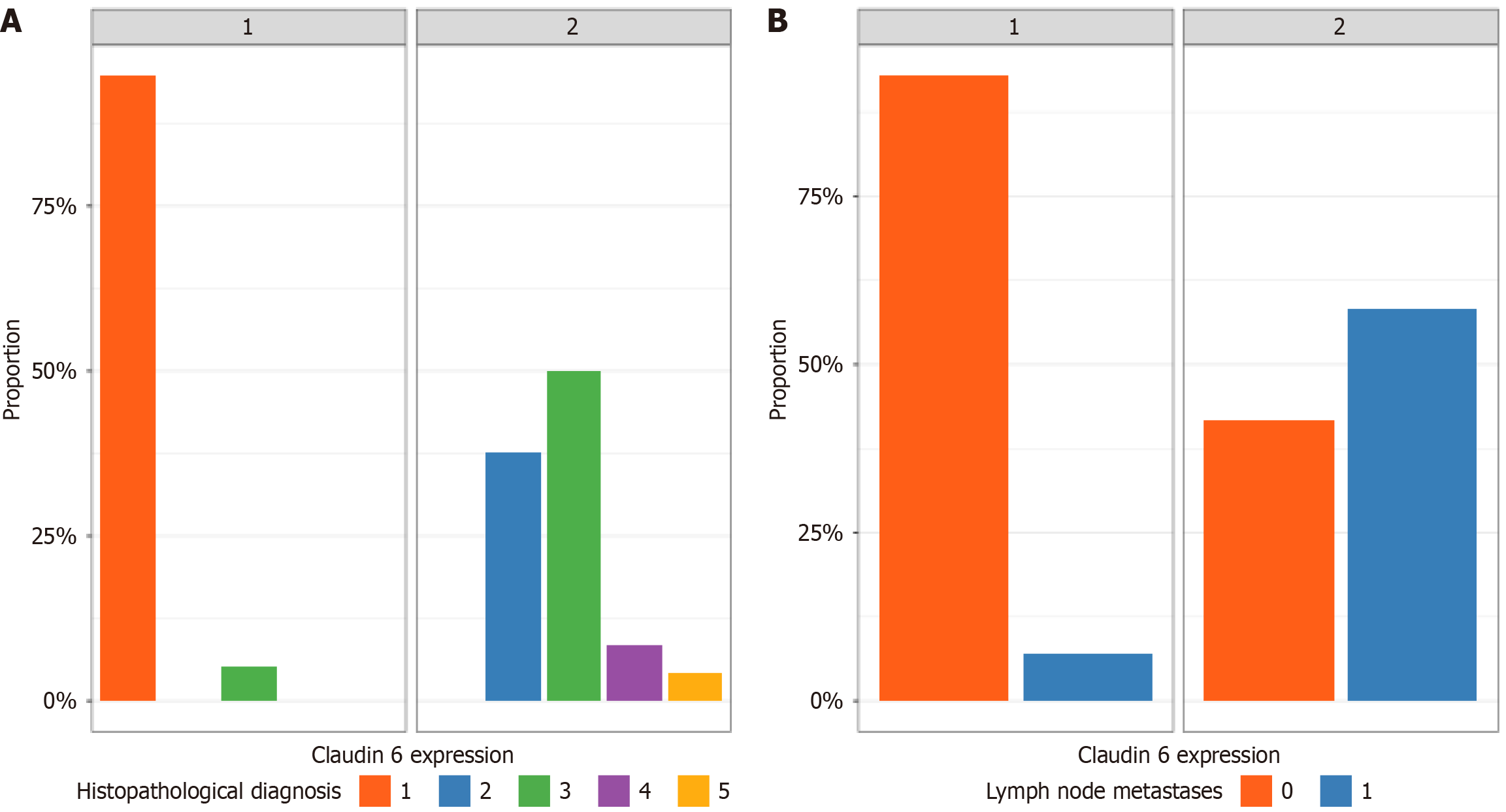
Figure 2 Patterns of claudin-6 expression in high-grade endometrial carcinomas and its correlations with histologic subtypes and nodal meastasis.
A: Stacked bar graph presenting the distribution of claudin-6 expression status—Group 1 (negative) and Group 2 (positive)—across five histo
- Citation: Ebrahim NAA, Eissa TS, Hussein MA, Korany OM, Amin NH. Tight junction disruption via claudin-6 overexpression promotes invasion and recurrence in high-grade endometrial tumors. World J Clin Oncol 2025; 16(11): 110257
- URL: https://www.wjgnet.com/2218-4333/full/v16/i11/110257.htm
- DOI: https://dx.doi.org/10.5306/wjco.v16.i11.110257