
















©Author(s) (or their employer(s)) 2026.
World J Biol Chem. Mar 5, 2026; 17(1): 117645
Published online Mar 5, 2026. doi: 10.4331/wjbc.v17.i1.117645
Published online Mar 5, 2026. doi: 10.4331/wjbc.v17.i1.117645
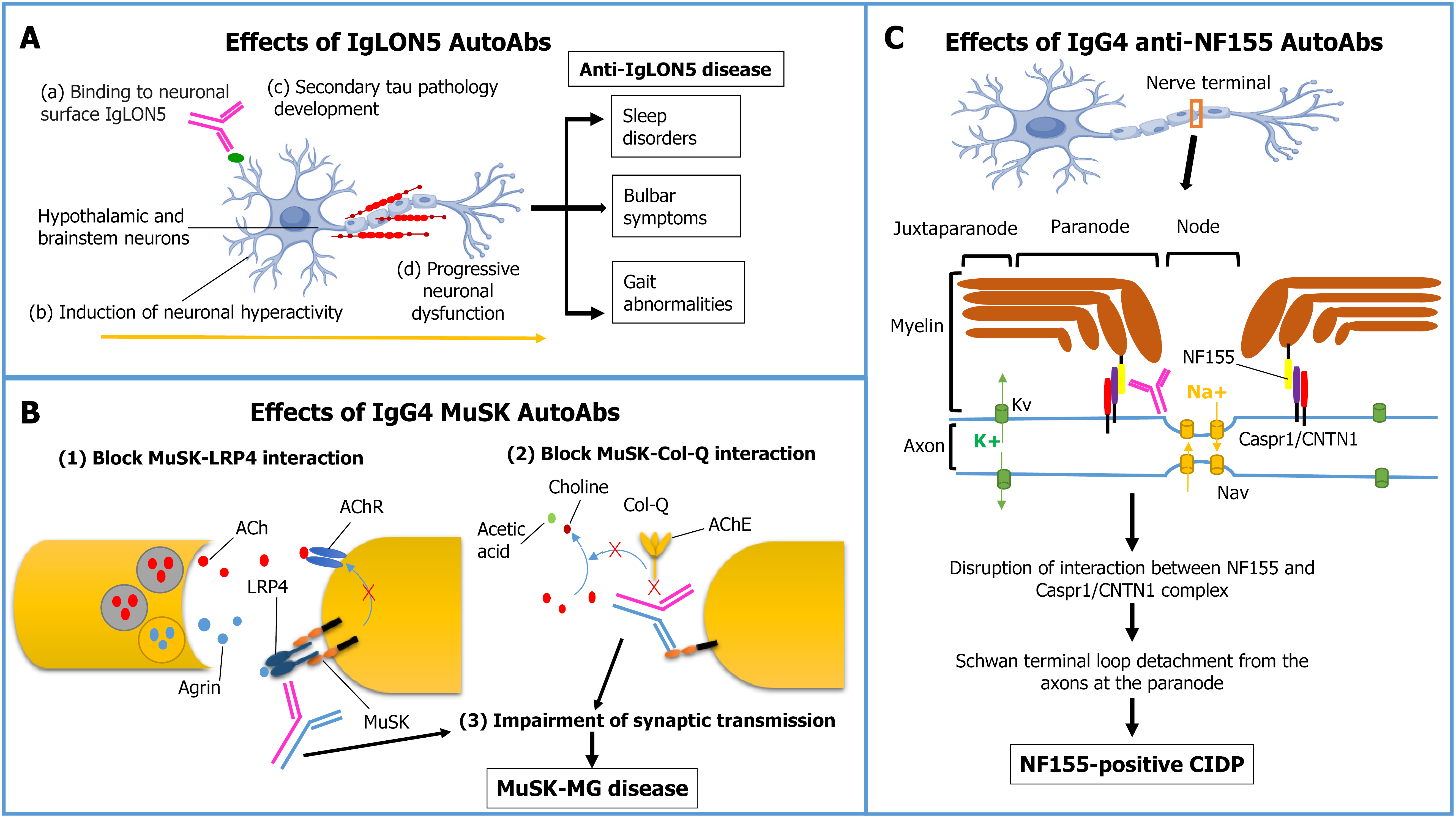
Figure 2 Pathogenic mechanisms of immunoglobulin G4 autoantibodies.
Immunoglobulin G4 (IgG4) autoantibodies can mediate autoimmune neurological diseases through distinct mechanisms: A: Anti-Ig-like domain-containing protein 5 (IgLON5) IgG4 antibodies bind to neuronal surface IgLON5 (predominantly expressed in hypothalamic and brainstem regions), triggering acute neuronal hyperactivity that may subsequently lead to tau hyperphosphorylation and accumulation as a downstream neurodegenerative process; B: IgG4 antibodies against muscle-specific kinase (MuSK) block interactions with low-density lipoprotein receptor-related protein 4 and collagen Q, impairing synaptic transmission and acetylcholine receptor clustering in MuSK-related myasthenia gravis; C: IgG4 anti-neurofascin 155 (NF155) antibodies disrupt paranodal axo-glial junctions by interfering with NF155-Caspr1/CNTN1 interactions, leading to paranodal detachment in chronic inflammatory demyelinating polyradiculoneuropathy. AutoAbs: Autoantibodies; IgLON5: Ig-like domain-containing protein 5 (cell adhesion protein); p-tau: Phosphorylated tau protein; MuSK: Muscle-specific kinase; AChR: Acetylcholine receptor; LRP4: Low-density lipoprotein receptor-related protein 4; Col-Q: Collagen Q (collagen-like tail subunit of asymmetric acetylcholinesterase); Ach: Acetylcholine; AChE: Acetylcholinesterase; Agrin: Agrin (proteoglycan involved in neuromuscular junction formation); MG: Myasthenia gravis; NF155: Neurofascin 155; Caspr1: Contactin-associated protein 1; CNTN1: Contactin 1; Nav: Voltage-gated sodium channel; Kv: Voltage-gated potassium channel; CIDP: Chronic inflammatory demyelinating polyneuropathy.
- Citation: Bouayad A. Clinical utility of human leukocyte antigen genotyping and immunoglobulin G4 autoantibody testing in autoimmune neurological diseases: A focused minireview. World J Biol Chem 2026; 17(1): 117645
- URL: https://www.wjgnet.com/1949-8454/full/v17/i1/117645.htm
- DOI: https://dx.doi.org/10.4331/wjbc.v17.i1.117645