
















©The Author(s) 2025.
World J Biol Chem. Dec 5, 2025; 16(4): 111831
Published online Dec 5, 2025. doi: 10.4331/wjbc.v16.i4.111831
Published online Dec 5, 2025. doi: 10.4331/wjbc.v16.i4.111831
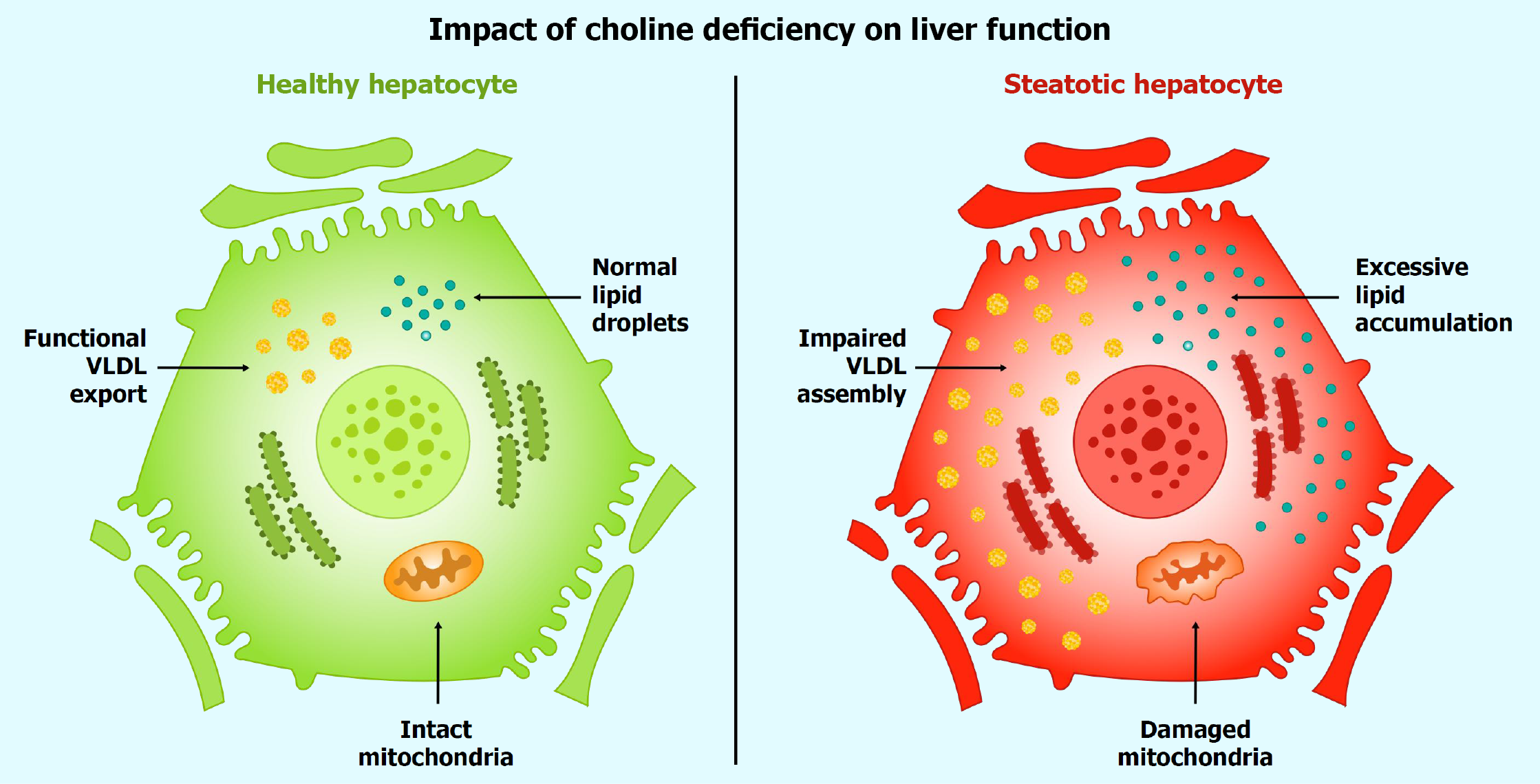
Figure 4 Impact of choline deficiency on liver function.
This figure juxtaposes a healthy hepatocyte (left, green) with a steatotic hepatocyte (right, red) to depict the consequences of choline deficiency. The healthy hepatocyte features a smooth plasma membrane, sparse lipid droplets (yellow, < 5% of cell volume), intact mitochondria (orange), and an outward arrow indicating robust verylowdensity lipoprotein (VLDL) export, reflecting efficient triglyceride clearance. In contrast, the steatotic hepatocyte exhibits a disrupted membrane, excessive lipid accumulation (dense yellow droplets exceeding 5% of liver weight), damaged mitochondria, and impaired VLDL assembly. This comparison underscores choline’s pivotal role in hepatic lipid homeostasis, where its deficiency precipitates steatosis—a condition historically linked to diets low in methyl donors. VLDL: Verylowdensity lipoprotein.
- Citation: Mercola J. Fatty liver reexamined choline and mitochondrial toxin amelioration. World J Biol Chem 2025; 16(4): 111831
- URL: https://www.wjgnet.com/1949-8454/full/v16/i4/111831.htm
- DOI: https://dx.doi.org/10.4331/wjbc.v16.i4.111831