
















©The Author(s) 2025.
World J Biol Chem. Dec 5, 2025; 16(4): 111831
Published online Dec 5, 2025. doi: 10.4331/wjbc.v16.i4.111831
Published online Dec 5, 2025. doi: 10.4331/wjbc.v16.i4.111831
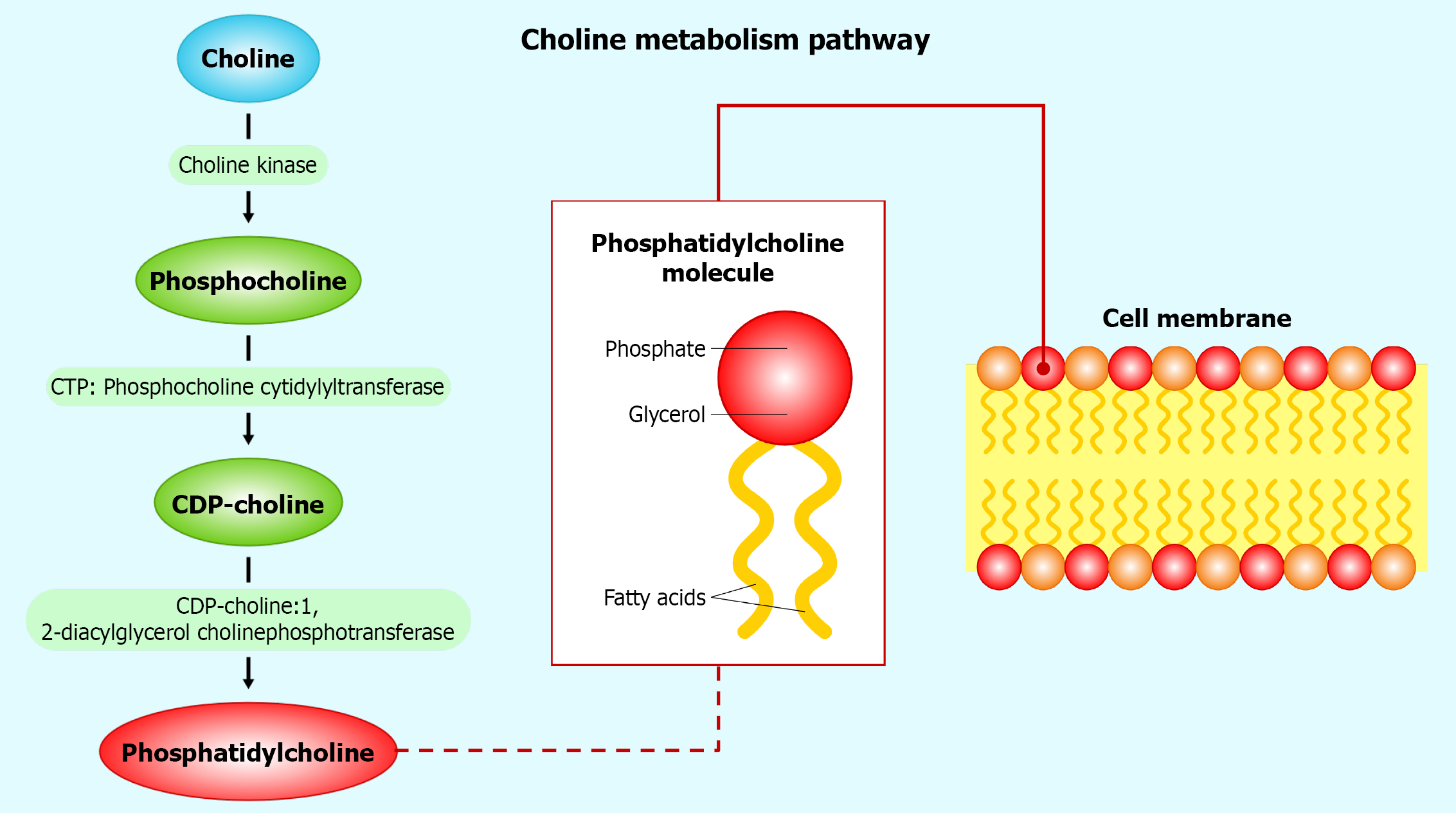
Figure 1 Choline’s conversion to phosphatidylcholine.
This figure illustrates the cytidine diphosphate (CDP)-choline pathway, a critical metabolic route converting choline into phosphatidylcholine (PC), the predominant phospholipid constituting over 50% of mammalian cell membranes. Choline is initially phosphorylated by choline kinase to form phosphocholine, which cytidine triphosphate: Phosphocholine cytidylyltransferase then transforms into CDP-choline; subsequently, CDP-choline: 1,2-diacylglycerol cholinephosphotransferase catalyzes its conversion into PC. The diagram highlights PC’s amphipathic structure—featuring a hydrophilic head and hydrophobic tails—essential for membrane fluidity and signal transduction. In hepatocytes, where this pathway is notably active, PC facilitates very-low-density lipoprotein assembly, exporting triglycerides to prevent lipid accumulation. CDP: Cytidine diphosphate; PC: Phosp
- Citation: Mercola J. Fatty liver reexamined choline and mitochondrial toxin amelioration. World J Biol Chem 2025; 16(4): 111831
- URL: https://www.wjgnet.com/1949-8454/full/v16/i4/111831.htm
- DOI: https://dx.doi.org/10.4331/wjbc.v16.i4.111831