
















Copyright: ©Author(s) 2026.
World J Gastrointest Surg. Nov 27, 2026; 18(11): 125359
Published online Nov 27, 2026. doi: 10.4240/wjgs.125359
Published online Nov 27, 2026. doi: 10.4240/wjgs.125359
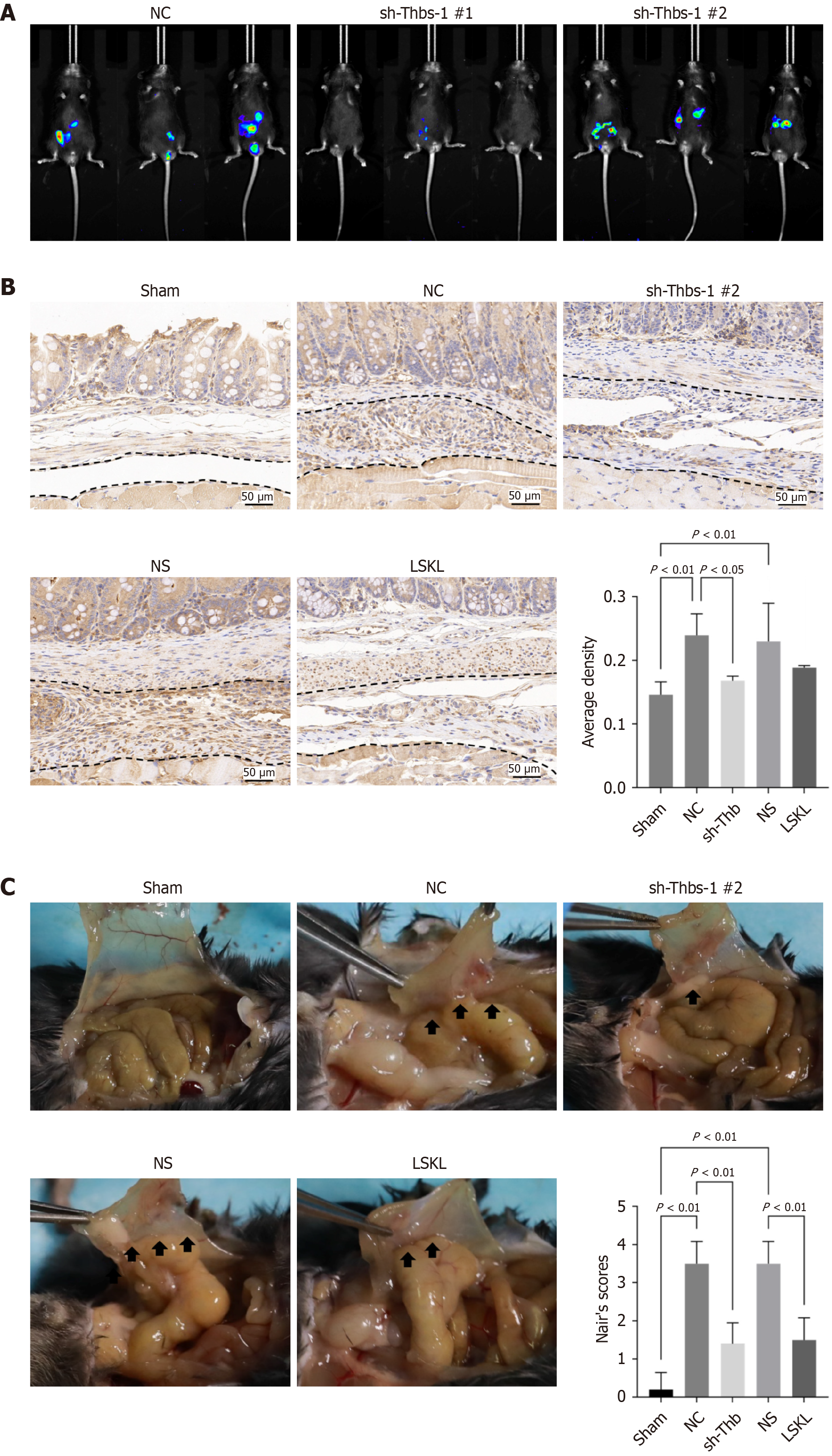
Figure 2 Thrombospondin-1 deficiency can attenuate postoperative abdominal adhesion formation in mice.
A: Typical images of live imaging for mice transfected by lentivirus (three groups, n = 3 mice/group); B: Typical immunohistochemistry staining images of thrombospondin-1 and quantification in different groups (five groups, n = 5 mice/group); C: Representative images showing the gross postoperative abdominal adhesion conditions and Nair’s score in different groups after peritoneal injury (five groups, n = 5 mice/group). The arrows indicate adhesive tissue. NC: Negative control; Thbs-1: Thrombospondin-1; NS: Normal saline; LSKL: Leu-Ser-Lys-Leu.
- Citation: Tong HC, Ye CC, Zhang ZX, Lin WH, Qu C, Gao YY, Wang JH, Wu YH, Liu YT. Silencing of thrombospondin-1 prevents abdominal adhesion formation by reducing inflammation and oxidative stress. World J Gastrointest Surg 2026; 18(11): 125359
- URL: https://www.wjgnet.com/1948-9366/full/v18/i11/125359.htm
- DOI: https://dx.doi.org/10.4240/wjgs.125359