
















©The Author(s) 2026.
World J Gastrointest Surg. Jan 27, 2026; 18(1): 112988
Published online Jan 27, 2026. doi: 10.4240/wjgs.v18.i1.112988
Published online Jan 27, 2026. doi: 10.4240/wjgs.v18.i1.112988
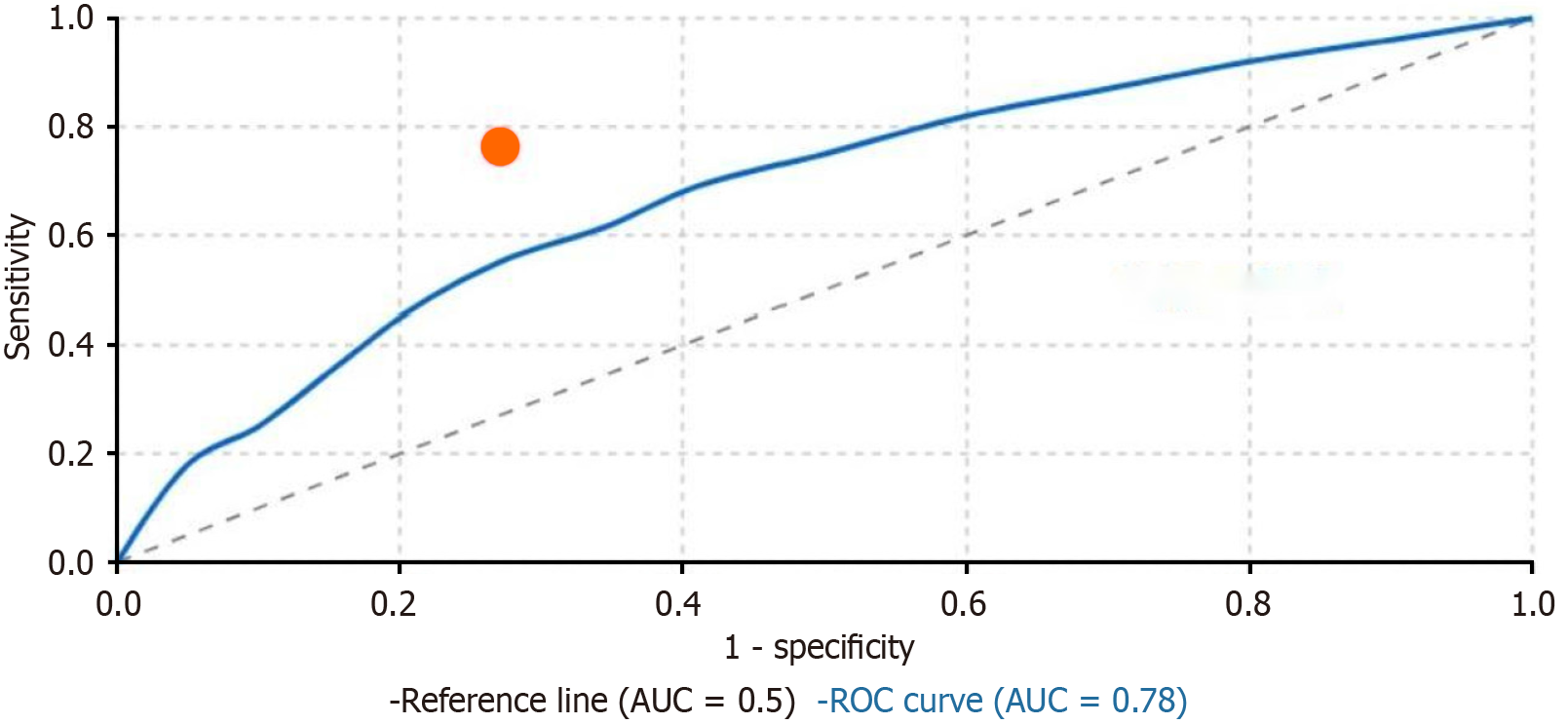
Figure 2 Receiver operating characteristic curve analysis.
The receiver operating characteristic curve analysis demonstrated that 24-hour movement-evoked pain scores effectively predicted delayed hospital discharge (> 15 days) with good discriminatory ability (Area under the curve = 0.78, 95% confidence interval: 0.71-0.85, P < 0.001). A Visual Analog Scale pain score threshold of ≥ 5, with sensitivity of 76.3% and specificity of 72.9%, was identified as the optimal cutoff for predicting prolonged hospitalization, with significantly fewer epidural anesthesia patients exceeding this threshold compared to intravenous patient-controlled analgesia patients (18.7% vs 65.2%, P < 0.001). ROC: Receiver operating characteristic; AUC: Area under the curve.
- Citation: Li PP, Qu Q, Shao CH. Comparison of epidural anesthesia and intravenous self-control analgesia on postoperative recovery quality in duodenectomy. World J Gastrointest Surg 2026; 18(1): 112988
- URL: https://www.wjgnet.com/1948-9366/full/v18/i1/112988.htm
- DOI: https://dx.doi.org/10.4240/wjgs.v18.i1.112988