
















Copyright: ©Author(s) 2026.
World J Diabetes. Jul 15, 2026; 17(7): 119760
Published online Jul 15, 2026. doi: 10.4239/wjd.119760
Published online Jul 15, 2026. doi: 10.4239/wjd.119760
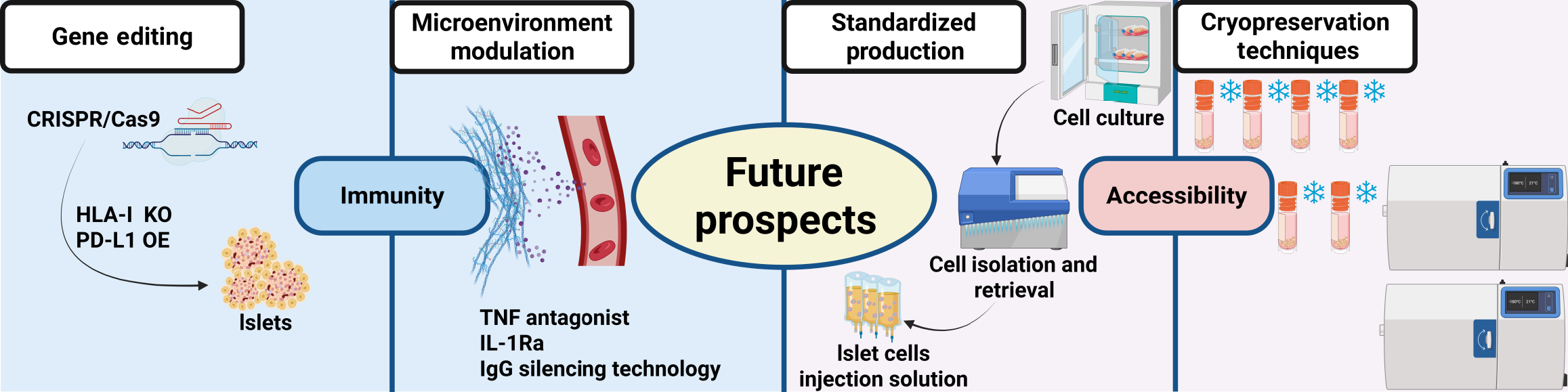
Figure 2 Roadmap for future development of stem cells-based diabetes therapy.
This figure illustrates four key strategic directions aimed at advancing the clinical translation and efficacy of stem cell-derived islet (E-islet) transplantation. Gene editing strategies and related technologies to modify E-islets, reducing immunogenicity and enhancing immune compatibility. Microenvironment modulation creates a supportive niche, improving graft survival, vascularization, and long-term function. Establishment of standardized manufacturing process includes procedures, such as cell culture, differentiation, purification, and final formulation for clinical administration. Advanced cryopreservation techniques develop optimized freezing and rewarming protocols to ensure stable preservation, facilitate logistics, and improve the accessibility of islet products. Gene editing: Genetic modification of E-islets to reduce immunogenicity and enhance immune compatibility. Key approaches include CRISPR/Cas9-mediated gene editing, human leukocyte antigen-I knockout to evade CD8+ T cell recognition, and programmed death-ligand 1 overexpression to induce local immune tolerance. The goal is to create “immune-evasive” islet cells that survive without systemic immunosuppression. Microenvironment modulation: Creation of a supportive niche at the transplantation site to improve graft survival and function. Key approaches include anti-inflammatory agents, IgG silencing technology to prevent humoral rejection, biomaterial scaffolds, and mesenchymal stem cell co-transplantation to provide immunomodulatory and pro-angiogenic support. The goal is to protect islets during the critical early post-transplant period. Standardized production: Establishment of robust manufacturing processes for scalable clinical deployment. Key components include optimized cell culture, directed differentiation with QC checkpoints, purification, final formulation, and comprehensive quality testing. The goal is to enable “off-the-shelf” availability through reproducible and cost-effective manufacturing. Cryopreservation techniques: Development of optimized protocols for long-term storage and transportation of islet products. Key approaches include vitrification, optimized rewarming protocols, cell isolation and retrieval methods, and specialized injection solutions. The goal is to enable centralized manufacturing, global distribution, and on-demand availability. Created in BioRender (Supplementary material). HLA: Human leukocyte antigen; KO: Knockout; PD-L1: Programmed death-ligand 1; OE: Overexpression; TNF: Tumor necrosis factor; IL-1Ra: Interleukin-1 receptor antagonist; IgG: Immunoglobulin G.
- Citation: He DW, Zhang FR, Zhang HX, Xiao SY, Bi XY, Wang YM, Wang RL, Lu YX, Yin H, Li T. Stem cells-derived islet transplantation toward clinical translation: Divergent strategies and convergent objectives. World J Diabetes 2026; 17(7): 119760
- URL: https://www.wjgnet.com/1948-9358/full/v17/i7/119760.htm
- DOI: https://dx.doi.org/10.4239/wjd.119760