
















Copyright: ©Author(s) 2026.
World J Diabetes. May 15, 2026; 17(5): 116053
Published online May 15, 2026. doi: 10.4239/wjd.v17.i5.116053
Published online May 15, 2026. doi: 10.4239/wjd.v17.i5.116053
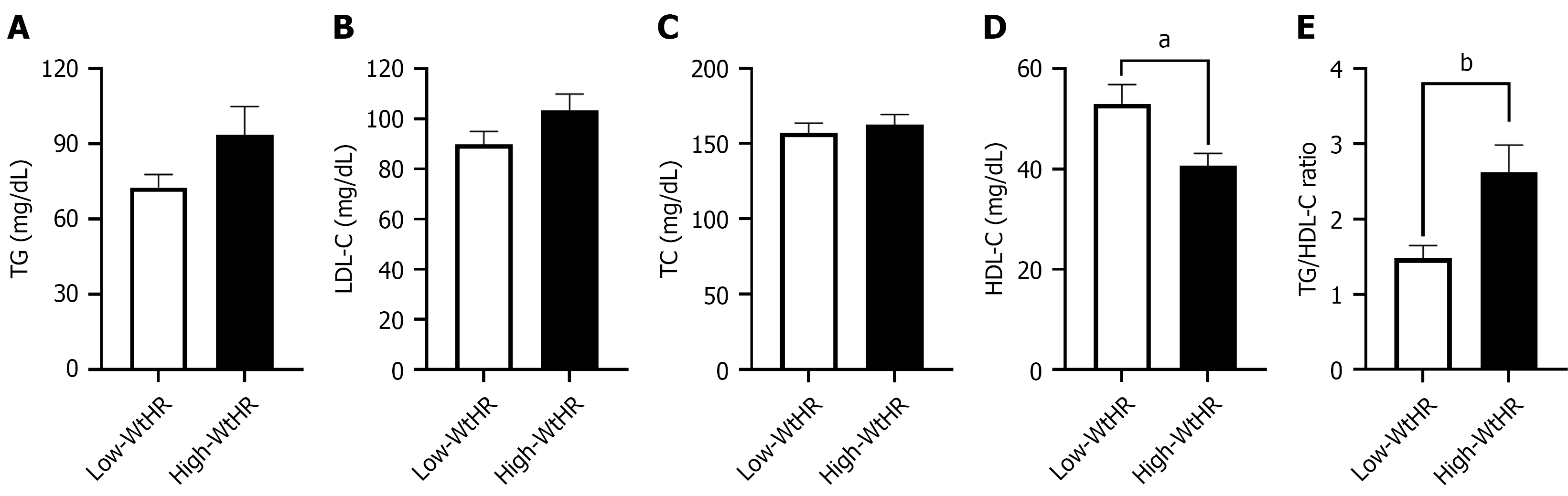
Figure 1 Young individuals with a high waist-to-height ratio have increased cardiometabolic risk.
A-E: Peripheral blood was collected from individuals with a waist-to-height ratio (WtHR) < 0.5 (low-WtHR; n = 21) and individuals with a WtHR > 0.5 (high-WtHR; n = 18). The samples were analyzed to determine triglycerides (A), low-density lipoprotein cholesterol (B), total cholesterol (C), high-density lipoprotein cholesterol (D), and the TG/HDL-C ratio (E). The bar graphs indicate the mean ± SEM. aP < 0.05 vs low-waist-to-height ratio group; bP < 0.005 vs low-waist-to-height ratio group. WtHR: Waist-to-height ratio; TG: Triglyceride; TC: Total cholesterol; LDL-C: Low-density lipoprotein cholesterol; HDL-C: High-density lipoprotein cholesterol.
- Citation: Casillas OE, Hernández-Aguirre CA, Leija-Montoya AG, Romero-García T, Vázquez-Jiménez JG. Association between high waist-height ratio and endoplasmic reticulum stress of young adults with insulin resistance. World J Diabetes 2026; 17(5): 116053
- URL: https://www.wjgnet.com/1948-9358/full/v17/i5/116053.htm
- DOI: https://dx.doi.org/10.4239/wjd.v17.i5.116053