
















Copyright: ©Author(s) 2026.
World J Diabetes. Apr 15, 2026; 17(4): 115437
Published online Apr 15, 2026. doi: 10.4239/wjd.v17.i4.115437
Published online Apr 15, 2026. doi: 10.4239/wjd.v17.i4.115437
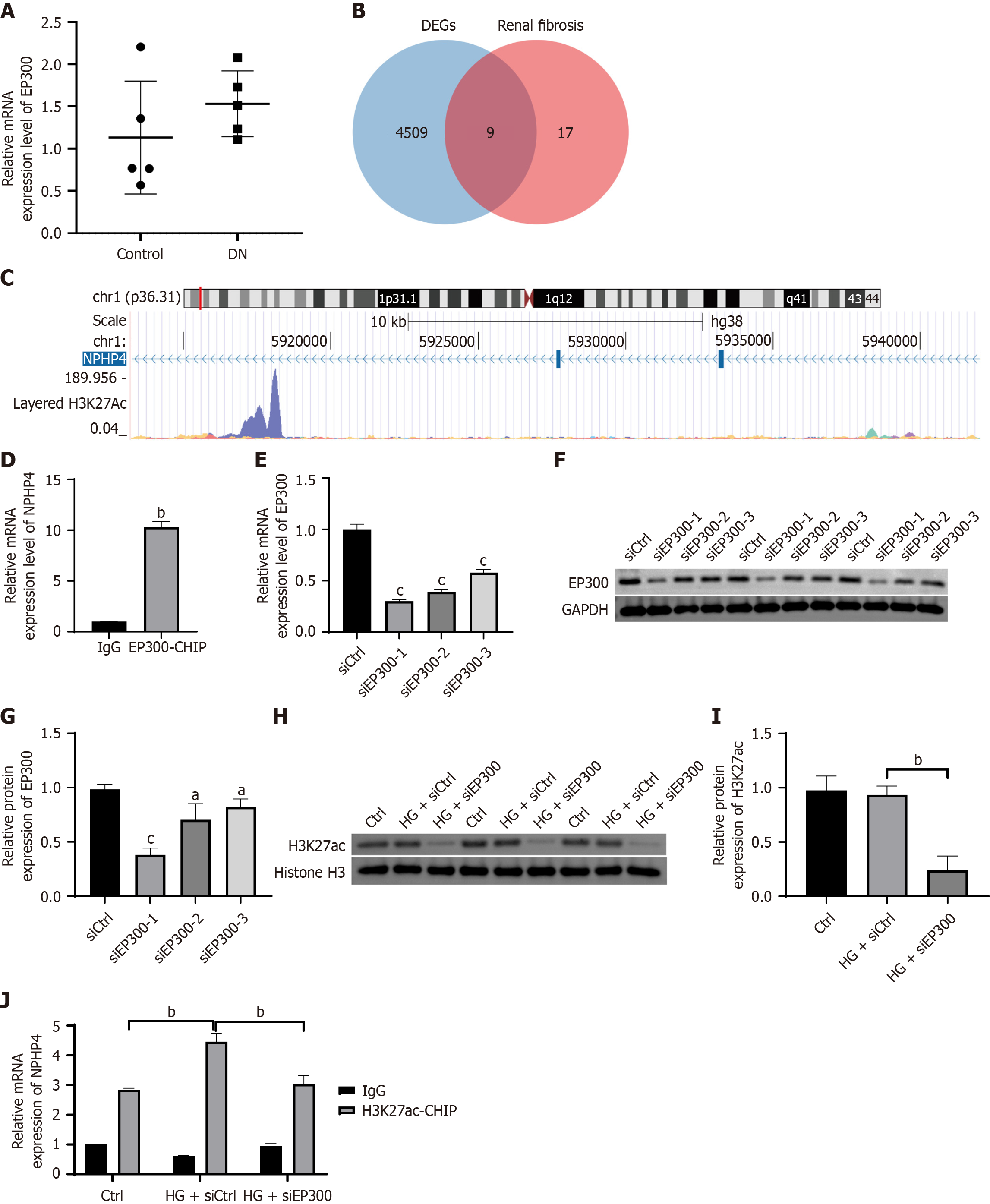
Figure 2 EP300 regulates histone acetylation levels in nephrocystin-4 chromatin fragments.
A: EP300 mRNA expression was measured using real-time quantitative polymerase chain reaction (RT-qPCR); B: Venny diagram of the intersection of EP300-regulated histone acetylation modification action targets with renal fibrosis-related targets; C: Chromatin immunoprecipitation (ChIP)-seq analysis to identify the key target nephrocystin-4 (NPHP4); D: NPHP4 gene abundance in ChIP products was measured using RT-qPCR; E: Measurement of EP300 interference efficiency using RT-qPCR; F and G: Interference efficiency of EP300 was measured using western blot; H and I: Representative western blot images and quantitative analysis of histone H3 lysine 27 protein levels; J: Enrichment of histone H3 lysine 27 at the NPHP4 locus was measured by ChIP-RT-qPCR in HK-2 cells transfected with siCtrl or small interfering RNA targeting EP300 under high glucose conditions. Data are presented as mean ± SD (n = 3). aP < 0.05, bP < 0.01, and cP < 0.001. ChIP: Chromatin immunoprecipitation; DN: Diabetic nephropathy; HG: High glucose; H3K27ac: Acetylated histone H3 lysine 27; IgG: Immunoglobulin G; siEP300: Small interfering RNA targeting EP300.
- Citation: Si W, Dai Y, Hu GP, Zhang Q, Lv F, Zhang Q. EP300 drives renal fibrosis in diabetic nephropathy via histone acetyltransferase-mediated nephrocystin-4 expression. World J Diabetes 2026; 17(4): 115437
- URL: https://www.wjgnet.com/1948-9358/full/v17/i4/115437.htm
- DOI: https://dx.doi.org/10.4239/wjd.v17.i4.115437