
















Copyright: ©Author(s) 2026.
World J Diabetes. Mar 15, 2026; 17(3): 113249
Published online Mar 15, 2026. doi: 10.4239/wjd.v17.i3.113249
Published online Mar 15, 2026. doi: 10.4239/wjd.v17.i3.113249
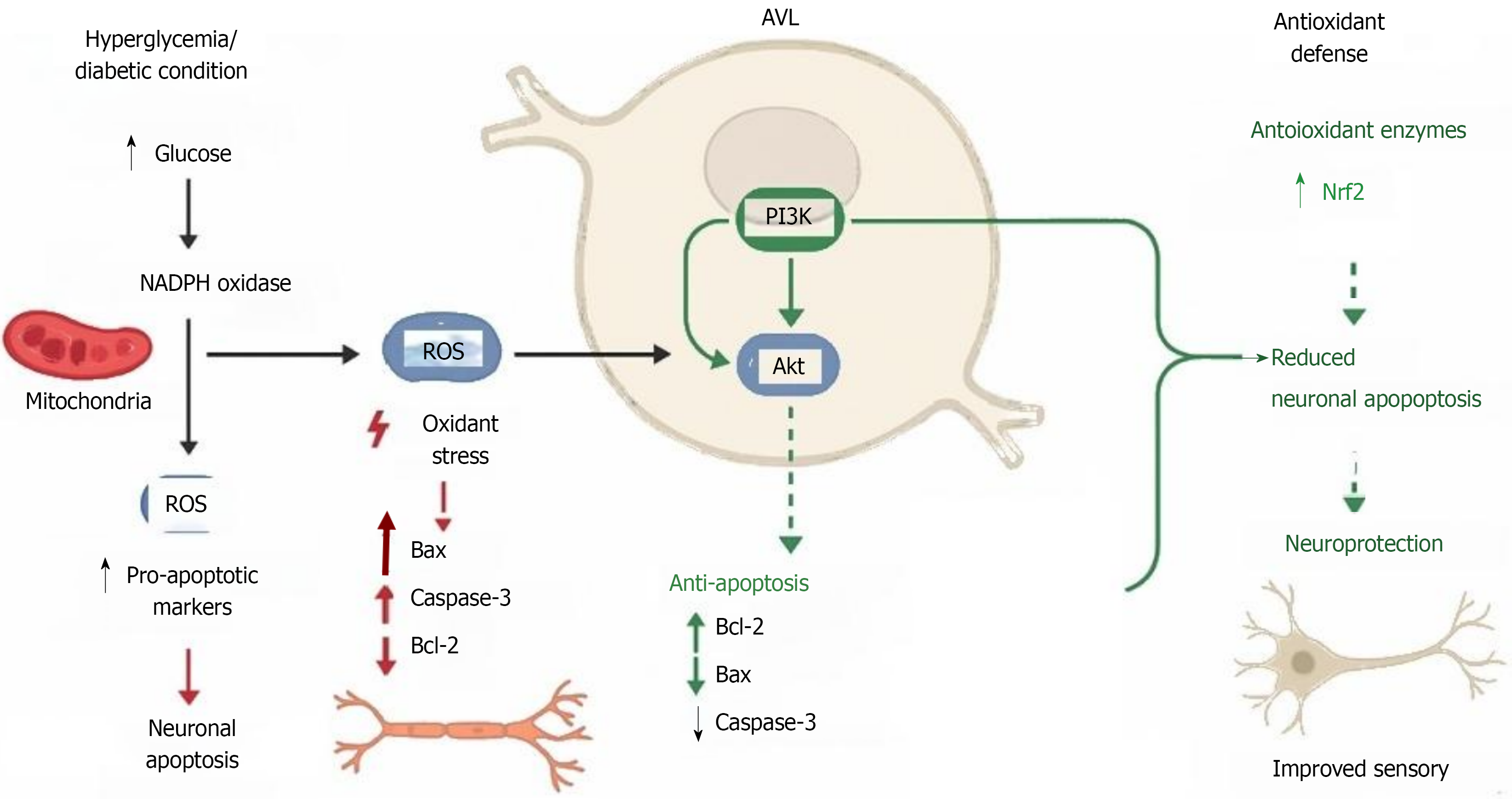
Figure 6 Schematic diagram illustrating Amomum villosum Lour.
’s mechanism in alleviating diabetic peripheral neuropathy. Under hyperglycemic/diabetic conditions, excessive reactive oxygen species (ROS) generation induces oxidative stress, triggering neuronal apoptosis and subsequently leading to neuronal injury and sensory dysfunction (red arrows). Amomum villosum Lour. (AVL) activates the phosphoinositide 3-kinase (PI3K)/AKT signaling pathway, thereby upregulating nuclear factor erythroid 2-related factor 2-mediated antioxidant defense and cell survival factors like B-cell lymphoma 2 (Bcl-2). This action inhibits ROS accumulation and neuronal apoptosis, alleviating diabetes-induced neural damage (green arrows).
- Citation: Kou DQ, Liu MJ, Gao XL, Guo FR. Amomum villosum extract alleviates diabetic neuropathy via phosphoinositide 3-kinase/AKT-mediated antioxidative and anti-apoptotic effects. World J Diabetes 2026; 17(3): 113249
- URL: https://www.wjgnet.com/1948-9358/full/v17/i3/113249.htm
- DOI: https://dx.doi.org/10.4239/wjd.v17.i3.113249