
















Copyright: ©Author(s) 2026.
World J Diabetes. Mar 15, 2026; 17(3): 112177
Published online Mar 15, 2026. doi: 10.4239/wjd.v17.i3.112177
Published online Mar 15, 2026. doi: 10.4239/wjd.v17.i3.112177
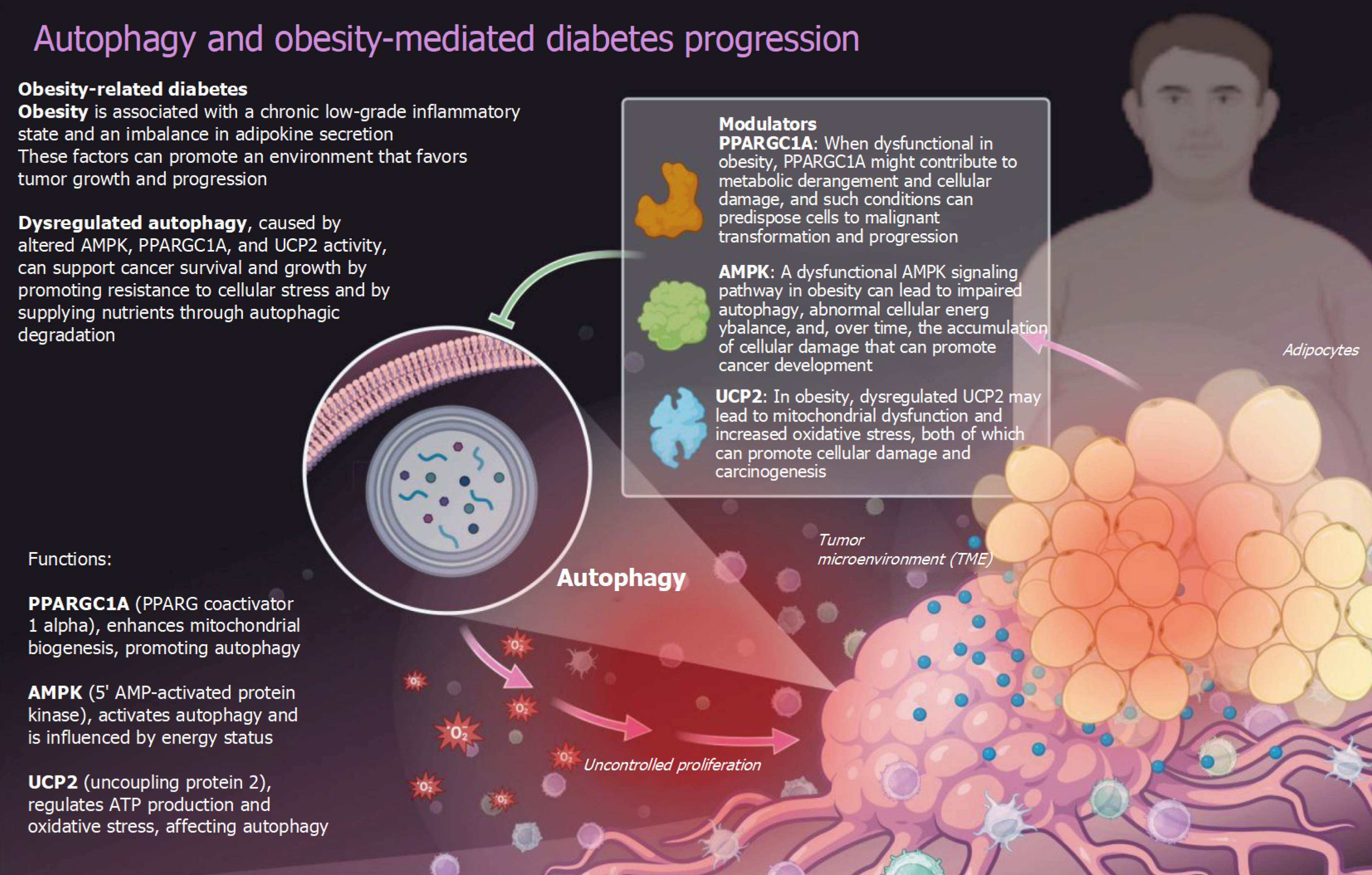
Figure 1 Autophagy- and obesity-mediated diabetes progression.
Illustrations of the relationships among obesity, impaired autophagy, and diabetes development. Under obesity-related conditions, dysregulated autophagy pathways contribute to metabolic dysfunction through multiple mechanisms. The key molecular modulators shown include PPARGC1A (involved in mitochondrial biogenesis and cellular energy metabolism), AMPK (regulating cellular energy status and autophagy initiation), and UCP1 (involved in thermogenesis and energy expenditure). The cellular autophagy machinery, including autophagosome formation and lysosomal degradation processes, becomes compromised in obesity, leading to the accumulation of damaged organelles and metabolic stress. This autophagy dysfunction promotes insulin resistance, inflammation, and ultimately progression to type 2 diabetes mellitus. The figure demonstrates how obesity creates a pathological environment that disrupts normal cellular quality control mechanisms, contributing to the development of diabetic complications. This figure was created by BioRender.com (Supplementary material).
- Citation: Chen X, Zhang LL, Zhou Y, Dong DX, Qian XY. Mitochondrial autophagy in diabetes-related cognitive decline and skin ulcers: Mechanistic insights and therapeutic implications. World J Diabetes 2026; 17(3): 112177
- URL: https://www.wjgnet.com/1948-9358/full/v17/i3/112177.htm
- DOI: https://dx.doi.org/10.4239/wjd.v17.i3.112177