
















©The Author(s) 2026.
World J Diabetes. Feb 15, 2026; 17(2): 114252
Published online Feb 15, 2026. doi: 10.4239/wjd.v17.i2.114252
Published online Feb 15, 2026. doi: 10.4239/wjd.v17.i2.114252
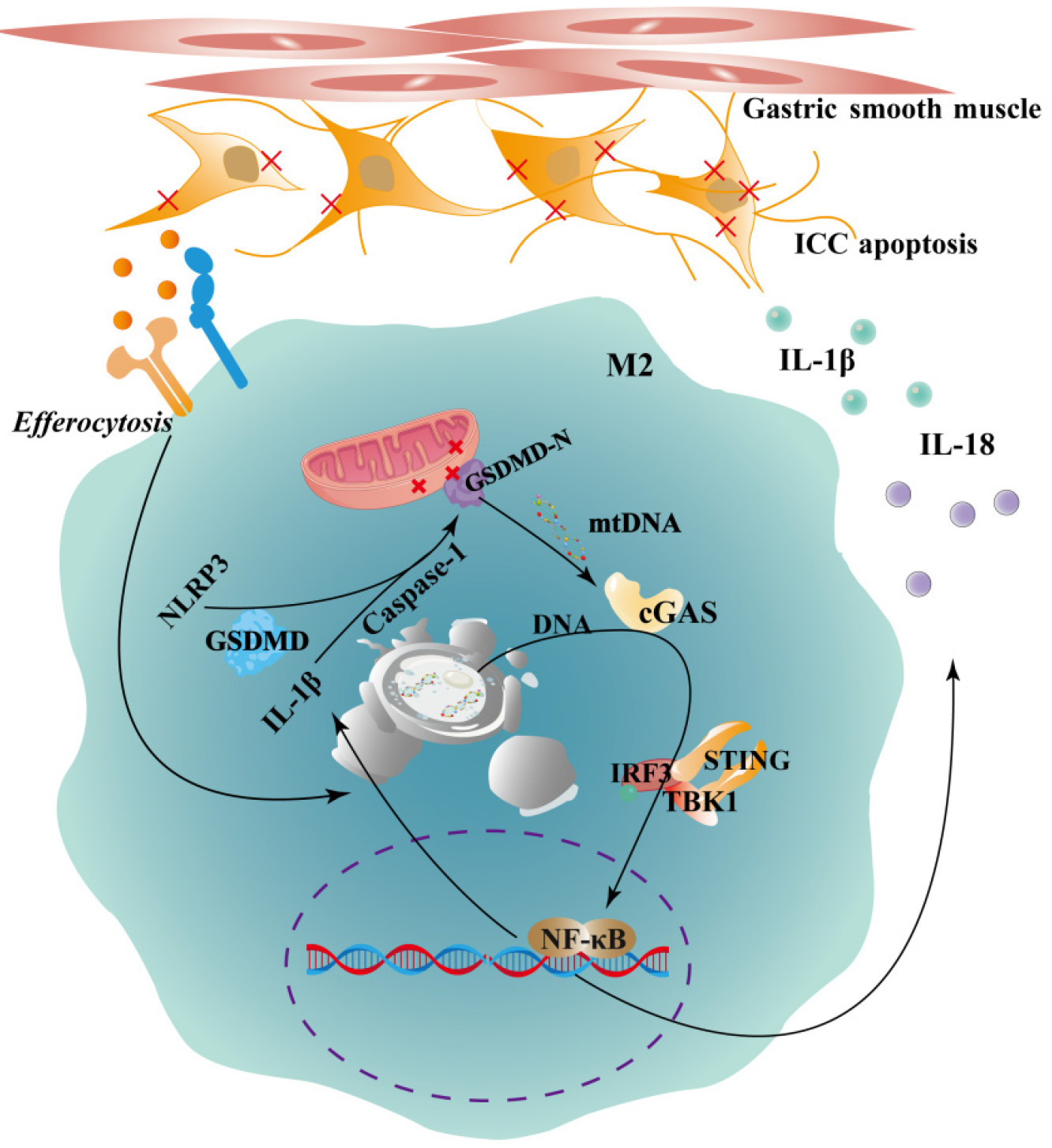
Figure 1 Proposed mechanistic hypothesis in diabetic gastroparesis.
In the diabetic gastroparesis setting, M2 macrophages usually recognize and phagocytose apoptotic interstitial cells of Cajal (ICCs). However, upregulation of Gasdermin D triggers pyroptosis, impairing mitochondrial function and reducing phagocytic efficiency. The resulting accumulation of damaged DNA from incompletely cleared ICCs activates the cyclic GMP-AMP synthase-stimulator of interferon genes inflammatory pathway, leading to the release of proinflammatory mediators and further apoptosis of ICCs. The dashed section represents assumptions based on the literature. ICC: Interstitial cells of Cajal; IL: Interleukin; GSDMD-N: Gasdermin D-N terminal domain; NLRP3: NOD-like receptor family pyrin domain containing 3; mtDNA: Mitochondrial DNA; cGAS: Cyclic GMP-AMP synthase; STING: Stimulator of interferon genes; IRF3: Interferon regulatory factor 3; NF-κB: Nuclear factor-κB; TBK1: TANK-binding kinase 1; GSDMD: Gasdermin D.
- Citation: Fan MW, Tian JL, Zhang SH, Zhao ZJ, Liu XR, Liu CX, Chen Y. Electroacupuncture protects gastric Cajal cells by reducing macrophage pyroptosis in diabetic gastroparesis. World J Diabetes 2026; 17(2): 114252
- URL: https://www.wjgnet.com/1948-9358/full/v17/i2/114252.htm
- DOI: https://dx.doi.org/10.4239/wjd.v17.i2.114252