
















©The Author(s) 2026.
World J Diabetes. Feb 15, 2026; 17(2): 113149
Published online Feb 15, 2026. doi: 10.4239/wjd.v17.i2.113149
Published online Feb 15, 2026. doi: 10.4239/wjd.v17.i2.113149
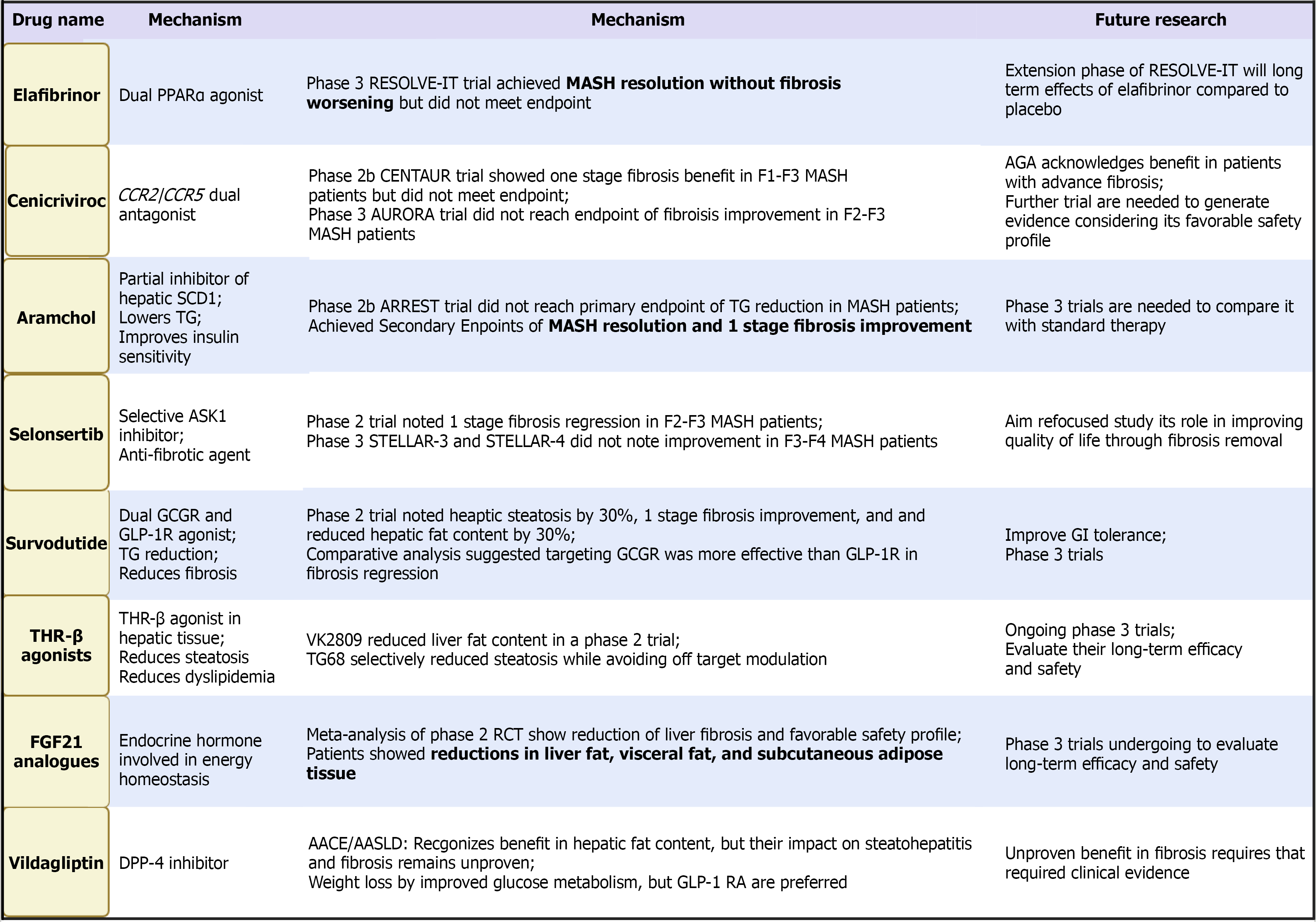
Figure 3 Lifestyle intervention in metabolic dysfunction-associated steatotic liver disease and type 2 diabetes mellitus.
Lifestyle modification remains the cornerstone of metabolic dysfunction-associated steatotic liver disease management. Sustained weight loss of ≥ 7%-10% is associated with steatohepatitis resolution and fibrosis regression. Dietary strategies such as the mediterranean diet and structured exercise programs (aerobic and resistance training) provide durable benefit, although long-term adherence is challenging. THR: Thyroid hormone receptor; FGF: Fibroblast growth factor; PPAR: Peroxisome proliferator-activated receptor; SCD1: Stearoyl-CoA desaturase 1; TG: Triglyceride; ASK1: Apoptosis signal-regulating kinase 1; GCGR: Glucagon receptor; GLP-1R: Glucagon-like peptide-1 receptor; DPP-4: Dipeptidyl peptidase 4; MASH: Metabolic dysfunction-associated steatohepatitis; RCT: Randomized clinical trial; GLP-1 RA: Glucagon-like peptide-1 receptor agonists; AACE: American Association of Clinical Endocrinologists; AASLD: American Association for the Study of Liver Diseases; AGA: American Gastroenterological Association; GI: Gastrointestinal.
- Citation: Suresh MG, Mohamed S, Geetha HS, Prabhu S, Trivedi N, Ng ZC, Mehta PD, Brar AS, Sohal A, Goyal MK, Hatwal J, Batta A. Metabolic dysfunction-associated steatotic liver disease and type 2 diabetes: Pathophysiology, diagnosis, and emerging therapeutic strategies. World J Diabetes 2026; 17(2): 113149
- URL: https://www.wjgnet.com/1948-9358/full/v17/i2/113149.htm
- DOI: https://dx.doi.org/10.4239/wjd.v17.i2.113149