
















©The Author(s) 2026.
World J Diabetes. Feb 15, 2026; 17(2): 113149
Published online Feb 15, 2026. doi: 10.4239/wjd.v17.i2.113149
Published online Feb 15, 2026. doi: 10.4239/wjd.v17.i2.113149
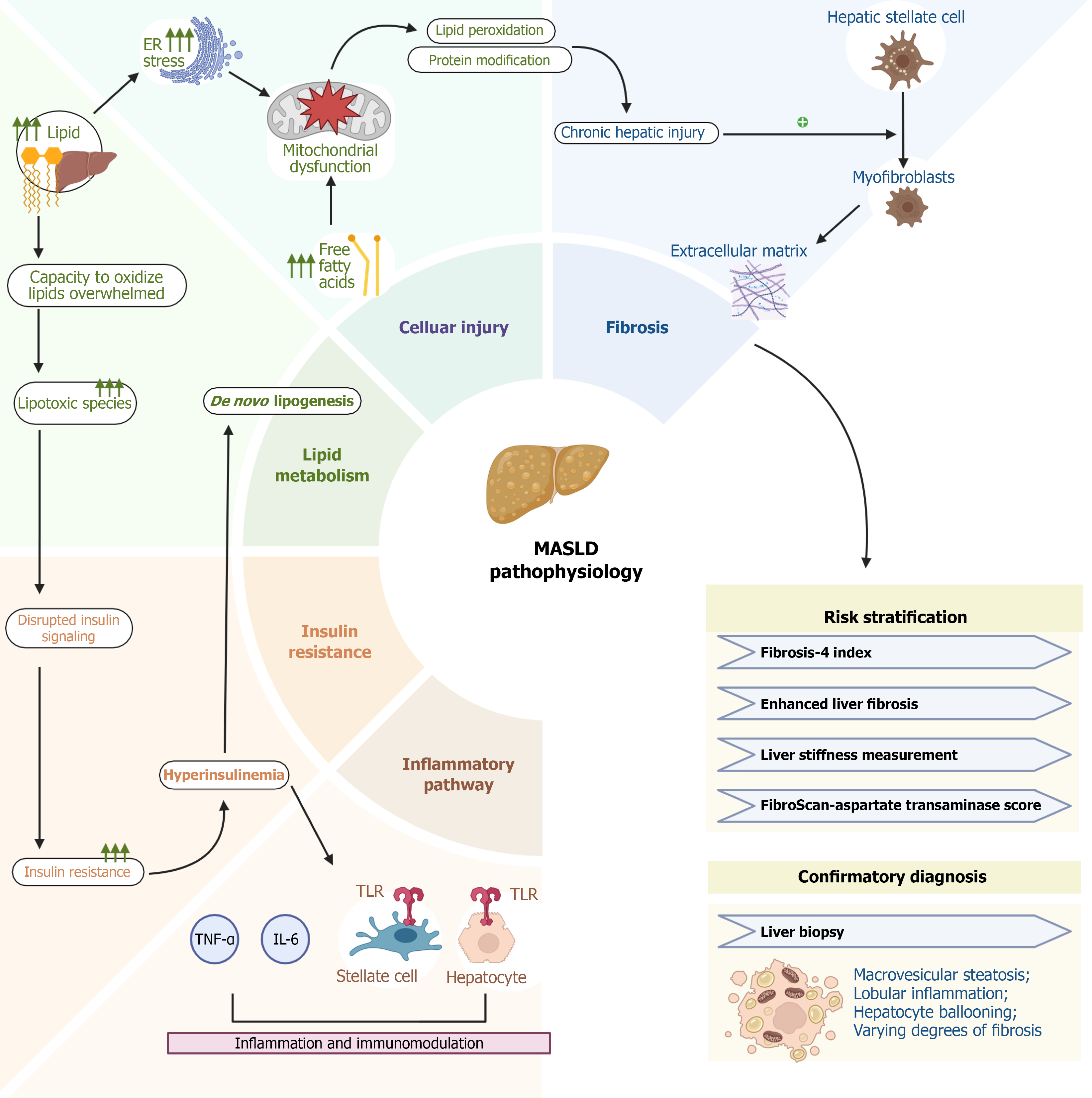
Figure 2 Pathophysiology of metabolic dysfunction-associated steatotic liver disease in type 2 diabetes mellitus.
The pathogenesis of metabolic dysfunction-associated steatotic liver disease is multifactorial and includes insulin resistance, lipotoxicity, oxidative stress, gut-liver axis alterations, and inflammatory signaling. Hepatic fat accumulation promotes oxidative stress and mitochondrial dysfunction, while adipose tissue dysfunction and systemic inflammation exacerbate steatohepatitis and fibrosis. Genetic predisposition (e.g., PNPLA3, TM6SF2) and environmental factors (diet, sedentary lifestyle) modulate disease progression. ER: Endoplasmic reticulum; ROS: Reactive oxygen species; MASLD: Metabolic dysfunction-associated steatotic liver disease; TLR: Toll-like receptor; TNF: Tumor necrosis factor; IL: Interleukin.
- Citation: Suresh MG, Mohamed S, Geetha HS, Prabhu S, Trivedi N, Ng ZC, Mehta PD, Brar AS, Sohal A, Goyal MK, Hatwal J, Batta A. Metabolic dysfunction-associated steatotic liver disease and type 2 diabetes: Pathophysiology, diagnosis, and emerging therapeutic strategies. World J Diabetes 2026; 17(2): 113149
- URL: https://www.wjgnet.com/1948-9358/full/v17/i2/113149.htm
- DOI: https://dx.doi.org/10.4239/wjd.v17.i2.113149