
















©The Author(s) 2026.
World J Diabetes. Feb 15, 2026; 17(2): 112500
Published online Feb 15, 2026. doi: 10.4239/wjd.v17.i2.112500
Published online Feb 15, 2026. doi: 10.4239/wjd.v17.i2.112500
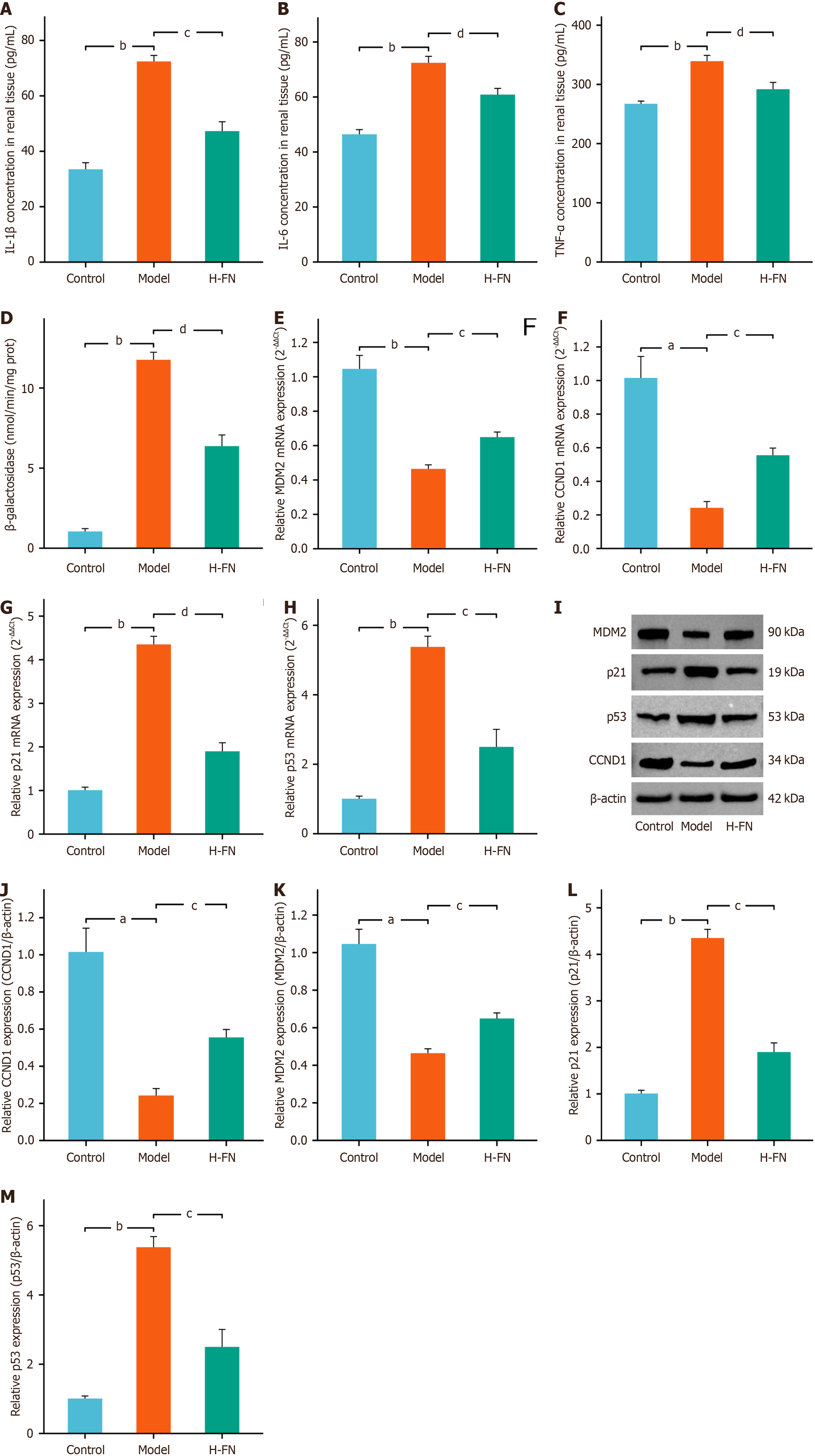
Figure 8 Formononetin exhibits anti-senescence effects in diabetic kidney disease mice.
A-C: Formononetin (FN) intervention significantly reduces levels of interleukin-1β, interleukin-6, and tumor necrosis factor α in renal tissues of diabetic kidney disease mice; D: FN intervention significantly decreases β-galactosidase activity in renal tissues; E-H: FN intervention significantly upregulates MDM2 and CCND1 gene expression and downregulates p53 and p21 gene expression; I: Western blot bands of p53 signaling pathway; J-M: FN intervention significantly increases MDM2 and CCND1 protein levels and decreases p53 and p21 protein levels. n = 10 for A-D, n = 3 for F. aP < 0.05 vs control groups; bP < 0.01 vs control groups; cP < 0.05 vs high glucose groups; dP < 0.01 vs high glucose groups. H-FN: High dose of formononetin; IL-1β: Interleukin-1β; IL-6: Interleukin-6; TNF-α: Tumor necrosis factor α.
- Citation: Ji Y, Liu RX, He PY, Zhou YM, Li YC, Guo J, Nie B, Liu YN, Liu WJ. Formononetin inhibits p53 signaling pathway activation to delay cellular senescence and ameliorates diabetic kidney disease. World J Diabetes 2026; 17(2): 112500
- URL: https://www.wjgnet.com/1948-9358/full/v17/i2/112500.htm
- DOI: https://dx.doi.org/10.4239/wjd.v17.i2.112500