
















©The Author(s) 2026.
World J Diabetes. Feb 15, 2026; 17(2): 112500
Published online Feb 15, 2026. doi: 10.4239/wjd.v17.i2.112500
Published online Feb 15, 2026. doi: 10.4239/wjd.v17.i2.112500
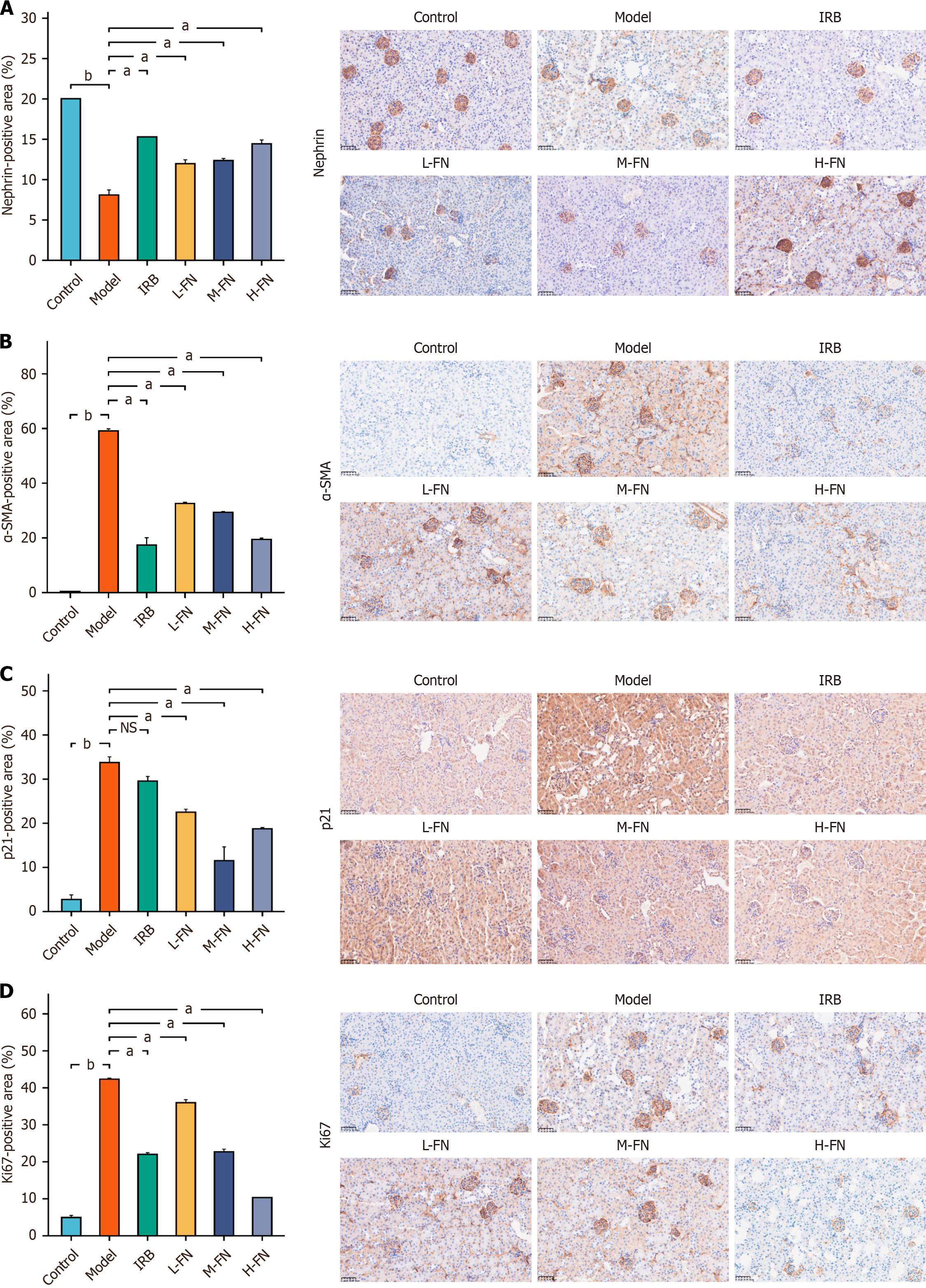
Figure 7 Formononetin intervention ameliorates podocyte injury and cellular senescence in diabetic kidney disease mice.
A: Immunofluorescence staining of podocyte-specific markers (nephrin, podocin, and CD2AP; bars = 50 μm); B: Immunofluorescence staining of fibrosis markers (α-smooth muscle actin; bars = 50 μm); C: Immunofluorescence staining of aging markers (p21; bars = 50 μm); D: Immunofluorescence staining of cellular proliferation dynamics markers (Ki67; bars = 50 μm). n = 4 per group. aP < 0.05 vs control groups; bP < 0.01 vs high glucose groups. NS: Not significant; IRB: Irbesartan; L-FN: Low dose of formononetin; M-FN: Medium dose of formononetin; H-FN: High dose of formononetin; α-SMA: Α-smooth muscle actin.
- Citation: Ji Y, Liu RX, He PY, Zhou YM, Li YC, Guo J, Nie B, Liu YN, Liu WJ. Formononetin inhibits p53 signaling pathway activation to delay cellular senescence and ameliorates diabetic kidney disease. World J Diabetes 2026; 17(2): 112500
- URL: https://www.wjgnet.com/1948-9358/full/v17/i2/112500.htm
- DOI: https://dx.doi.org/10.4239/wjd.v17.i2.112500