
















©The Author(s) 2026.
World J Diabetes. Feb 15, 2026; 17(2): 112475
Published online Feb 15, 2026. doi: 10.4239/wjd.v17.i2.112475
Published online Feb 15, 2026. doi: 10.4239/wjd.v17.i2.112475
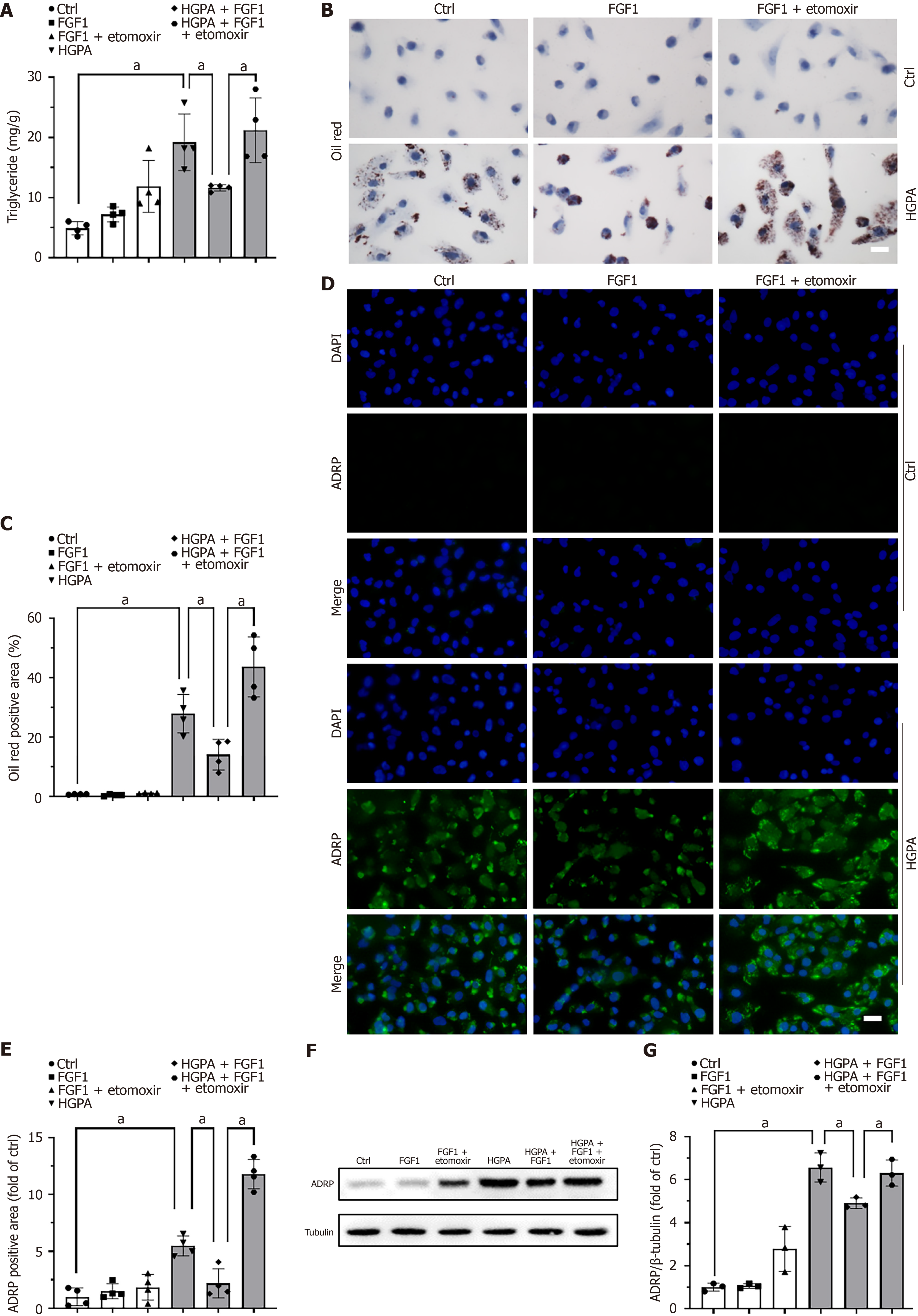
Figure 7 Fibroblast growth factor 1 reduces lipid accumulation in high glucose and palmitate acid-treated human kidney-2 cells by enhancing fatty acid beta-oxidation.
A: Triglyceride content measured to assess lipid accumulation in high glucose and palmitate acid-treated human kidney-2 cells with or without fibroblast growth factor 1 and etomoxir treatment; B: Lipid deposition visualized by Oil Red O staining; C: Quantification of Oil Red O staining; D: Adipose differentiation related protein (ADRP) expression evaluated by immunofluorescence; E: Quantification of ADRP immunofluorescence; F: ADRP protein expression detected by Western blot; G: Quantification of Western blot results. Three to four independent experiments were performed for each analysis. Data were presented as mean ± SD. aP < 0.05. ADPR: Adipose differentiation related protein; Ctrl: Control; Etomoxir: A high selective inhibitor of carnitine palmitoyl transferase 1A; FGF1: Fibroblast growth factor 1; HGPA: High glucose and palmitic acid.
- Citation: Li YJ, Ge HY, Zhang GG, Chen HY, Xi YJ, Wang K, Huang YL, Zhang C, Fan X, Yan XQ. Fibroblast growth factor 1 alleviates diabetic nephropathy by reducing renal lipid accumulation in diabetic kidney. World J Diabetes 2026; 17(2): 112475
- URL: https://www.wjgnet.com/1948-9358/full/v17/i2/112475.htm
- DOI: https://dx.doi.org/10.4239/wjd.v17.i2.112475