
















©The Author(s) 2026.
World J Diabetes. Feb 15, 2026; 17(2): 112475
Published online Feb 15, 2026. doi: 10.4239/wjd.v17.i2.112475
Published online Feb 15, 2026. doi: 10.4239/wjd.v17.i2.112475
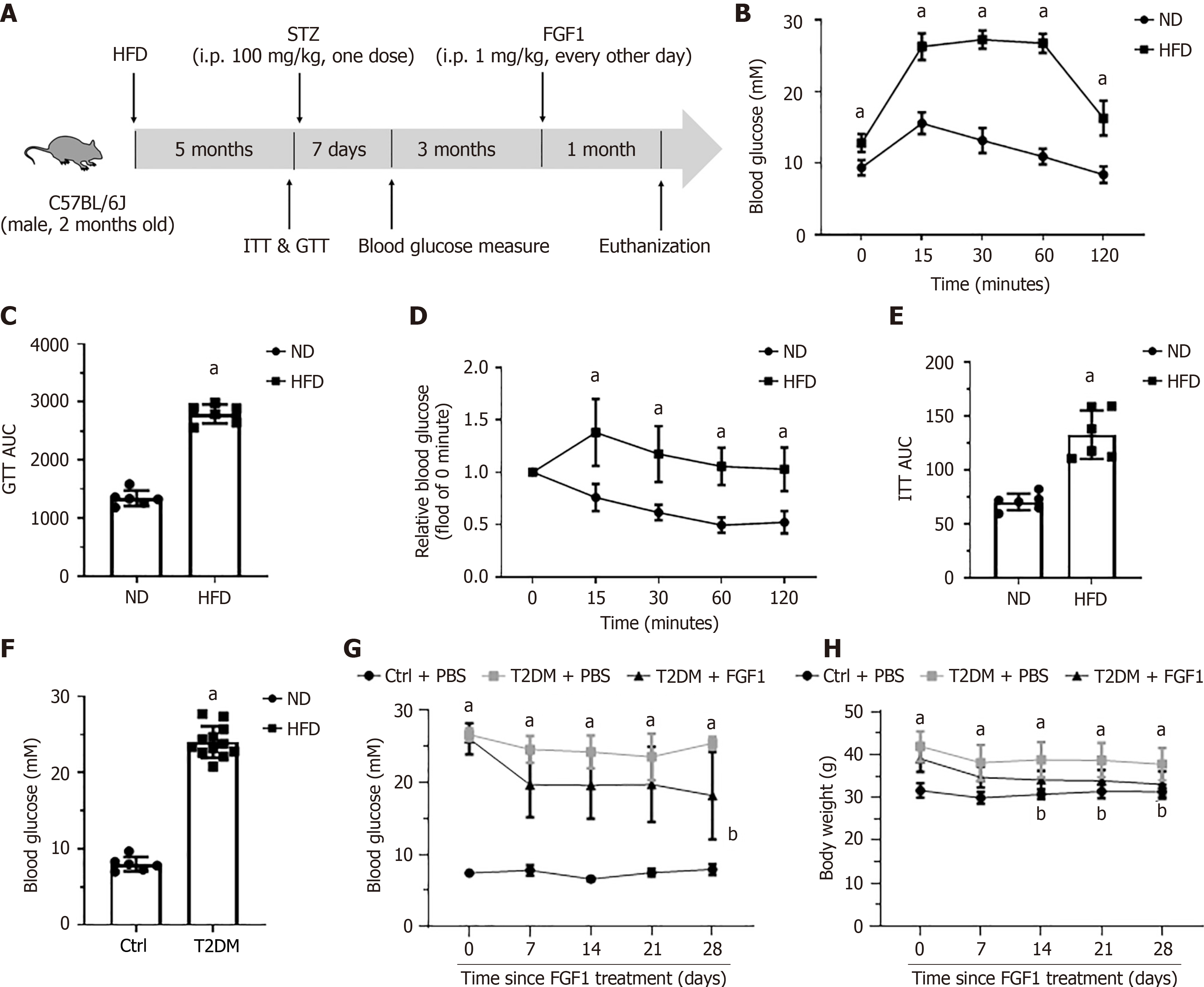
Figure 1 Induction of a type 2 diabetes mellitus mouse model and experimental design for fibroblast growth factor 1 intervention.
A: Schematic illustration of the experimental timeline, including high-fat diet feeding, streptozotocin injection, and fibroblast growth factor 1 (FGF1) administration; B: Glucose tolerance test; C: Area under the curve analysis of glucose tolerance test; D: Insulin tolerance test; E: Area under the curve analysis of insulin tolerance test; F: Non-fasting blood glucose levels measured 7 days after streptozotocin injection; G: Body weight monitoring during FGF1 treatment period; H: Time-course measurements of blood glucose levels during FGF1 treatment. Data were presented as mean ± SD. aP < 0.05 vs control group; bP < 0.05 vs type 2 diabetes mellitus + phosphate buffered saline group. AUC: Area under the curve; Ctrl: Control; FGF1: Fibroblast growth factor 1; GTT: Glucose tolerance test; HFD: High-fat diet; ITT: Insulin tolerance test; ND: Normal diet; STZ: Streptozotocin; T2DM: Type 2 diabetes mellitus.
- Citation: Li YJ, Ge HY, Zhang GG, Chen HY, Xi YJ, Wang K, Huang YL, Zhang C, Fan X, Yan XQ. Fibroblast growth factor 1 alleviates diabetic nephropathy by reducing renal lipid accumulation in diabetic kidney. World J Diabetes 2026; 17(2): 112475
- URL: https://www.wjgnet.com/1948-9358/full/v17/i2/112475.htm
- DOI: https://dx.doi.org/10.4239/wjd.v17.i2.112475