
















Copyright: ©Author(s) 2026.
World J Diabetes. Nov 15, 2026; 17(11): 124773
Published online Nov 15, 2026. doi: 10.4239/wjd.124773
Published online Nov 15, 2026. doi: 10.4239/wjd.124773
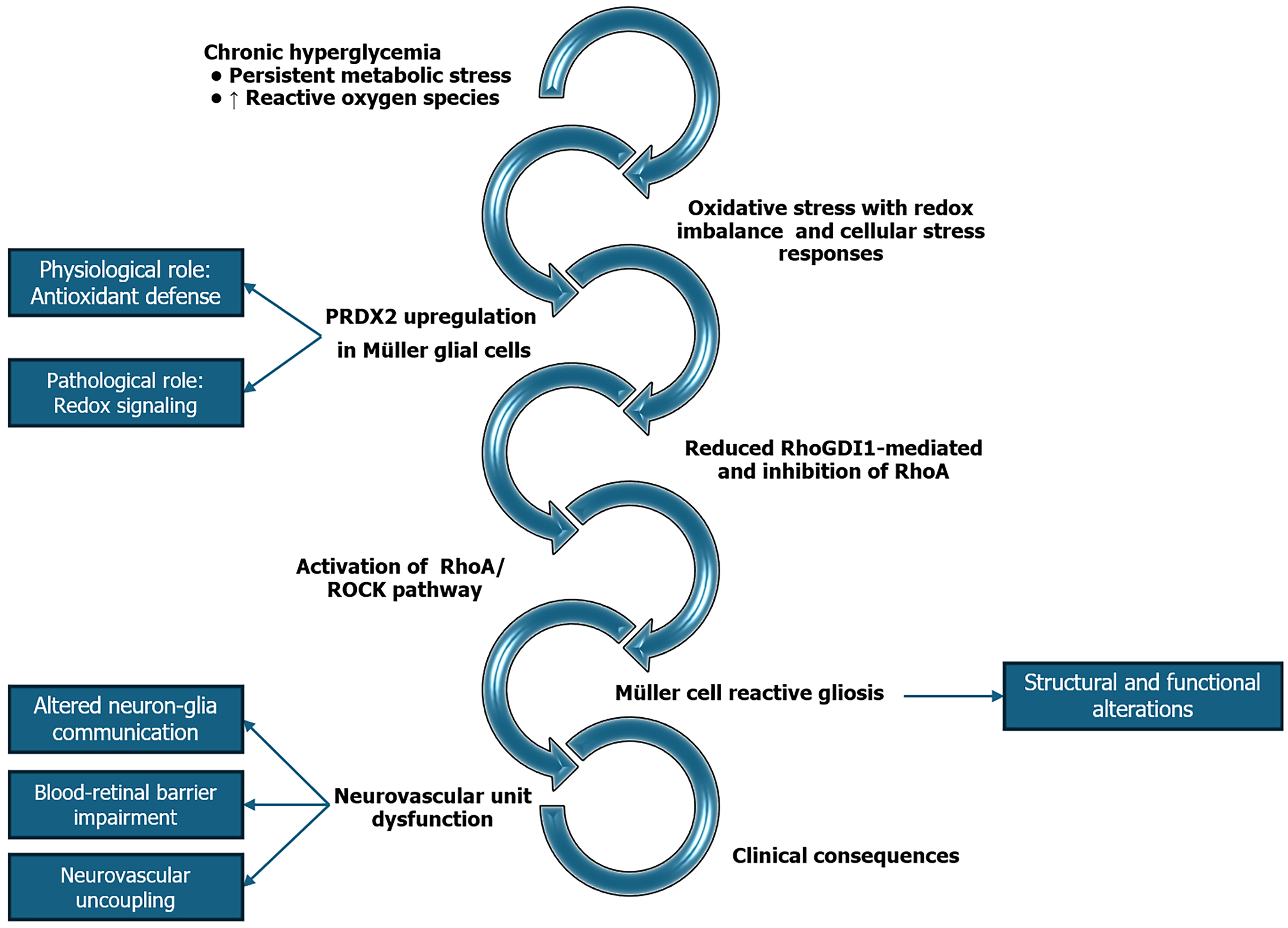
Figure 1 Proposed model of peroxiredoxin-2-induced Müller cell impairment in diabetic retinopathy.
Chronic hyperglycemia enhances oxidative stress and stimulates the upregulation of peroxiredoxin-2 (PRDX2) in Müller glial cells. In pathological conditions, PRDX2 appears to relieve RhoGDI1-mediated inhibition of RhoA, thereby activating the RhoA/ROCK pathway. This axis promotes cytoskeletal reshaping, Müller cell reactive gliosis, inflammatory signaling, and disruption of neurovascular equilibrium. Together, these processes lead to the breakdown of the blood-retinal barrier, vascular leakage, retinal neurodegeneration, and progression of diabetic retinopathy. PRDX2: Peroxiredoxin-2.
- Citation: Cappellani F, Capobianco M, Vicari AM, Zeppieri M. PRDX2 and Müller cells in diabetic retinopathy. World J Diabetes 2026; 17(11): 124773
- URL: https://www.wjgnet.com/1948-9358/full/v17/i11/124773.htm
- DOI: https://dx.doi.org/10.4239/wjd.124773