
















©The Author(s) 2026.
World J Diabetes. Jan 15, 2026; 17(1): 110108
Published online Jan 15, 2026. doi: 10.4239/wjd.v17.i1.110108
Published online Jan 15, 2026. doi: 10.4239/wjd.v17.i1.110108
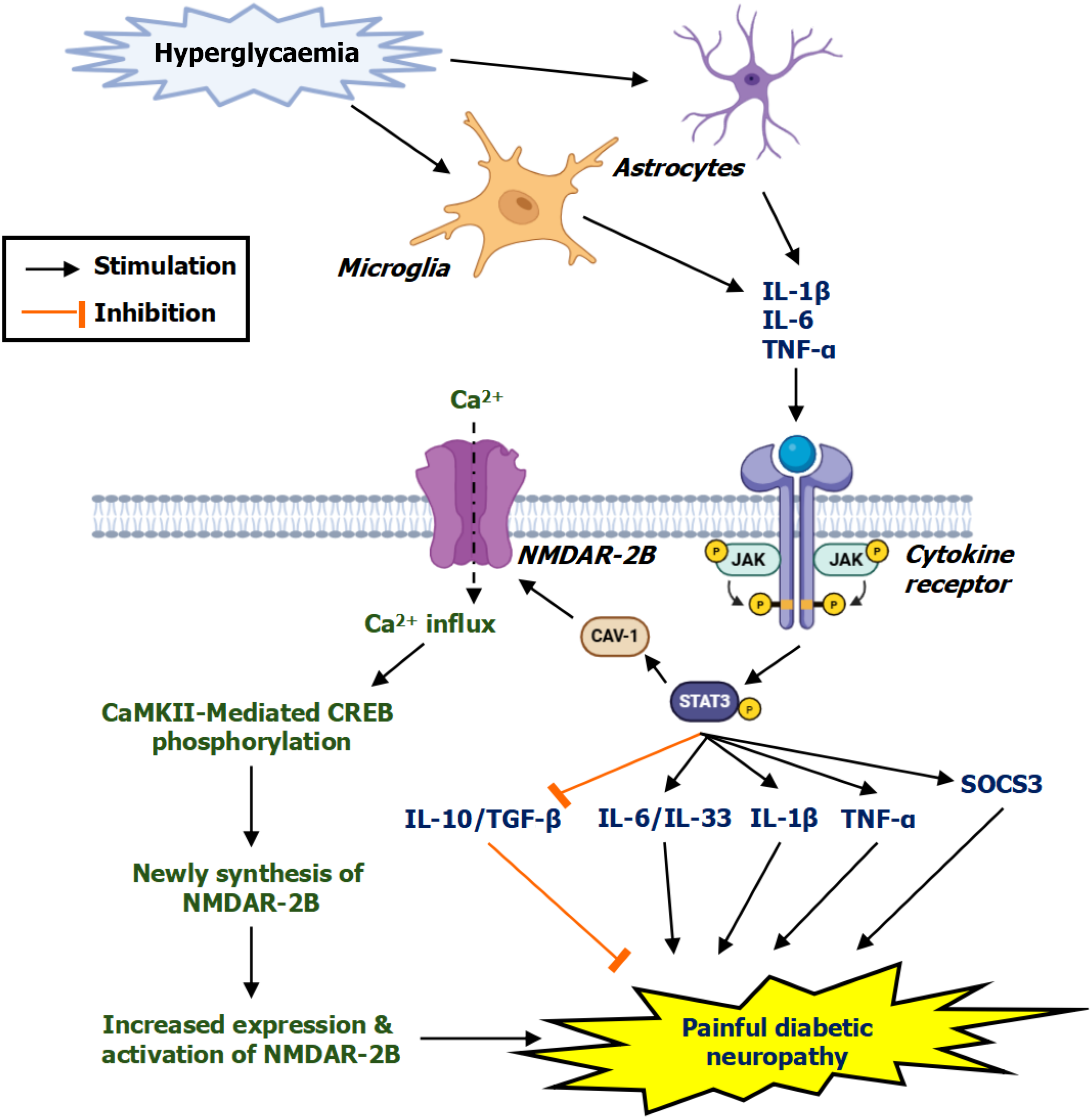
Figure 3 Potential increased release of inflammatory markers from activated glial cells due to prolonged hyperglycaemia.
The binding of mediators to their receptors activates Janus kinase 2 (JAK2) and phosphorylates signal transducer and activator of transcription 3 (STAT3). The processes upregulate caveolin-1 (CAV-1) expression and promote N-methyl-D-aspartate receptor-2B (NMDAR-2B) trafficking and activation, increasing calcium ion (Ca2+) influx, central sensitisation, and aberrant pain signaling pathway, which leads to the development of diabetic peripheral neuropathy. CaMKII: Calcium-calmodulin-dependent protein kinase II; CREB: Cyclic adenosine monophosphate response element binding protein; IL: Interleukin; SOCS3: Suppressor of cytokine signaling 3; TGF-β: Transforming growth factor beta; TNF-α: Tumor necrosis factor alpha.
- Citation: Khalid N, Shafin N, Long I, Hasim H, Ismail CAN. Targeting N-methyl-D-aspartate 2B receptor in painful diabetic neuropathy – mechanisms, challenges, and emerging therapeutics. World J Diabetes 2026; 17(1): 110108
- URL: https://www.wjgnet.com/1948-9358/full/v17/i1/110108.htm
- DOI: https://dx.doi.org/10.4239/wjd.v17.i1.110108