
















©The Author(s) 2025.
World J Diabetes. Sep 15, 2025; 16(9): 110053
Published online Sep 15, 2025. doi: 10.4239/wjd.v16.i9.110053
Published online Sep 15, 2025. doi: 10.4239/wjd.v16.i9.110053
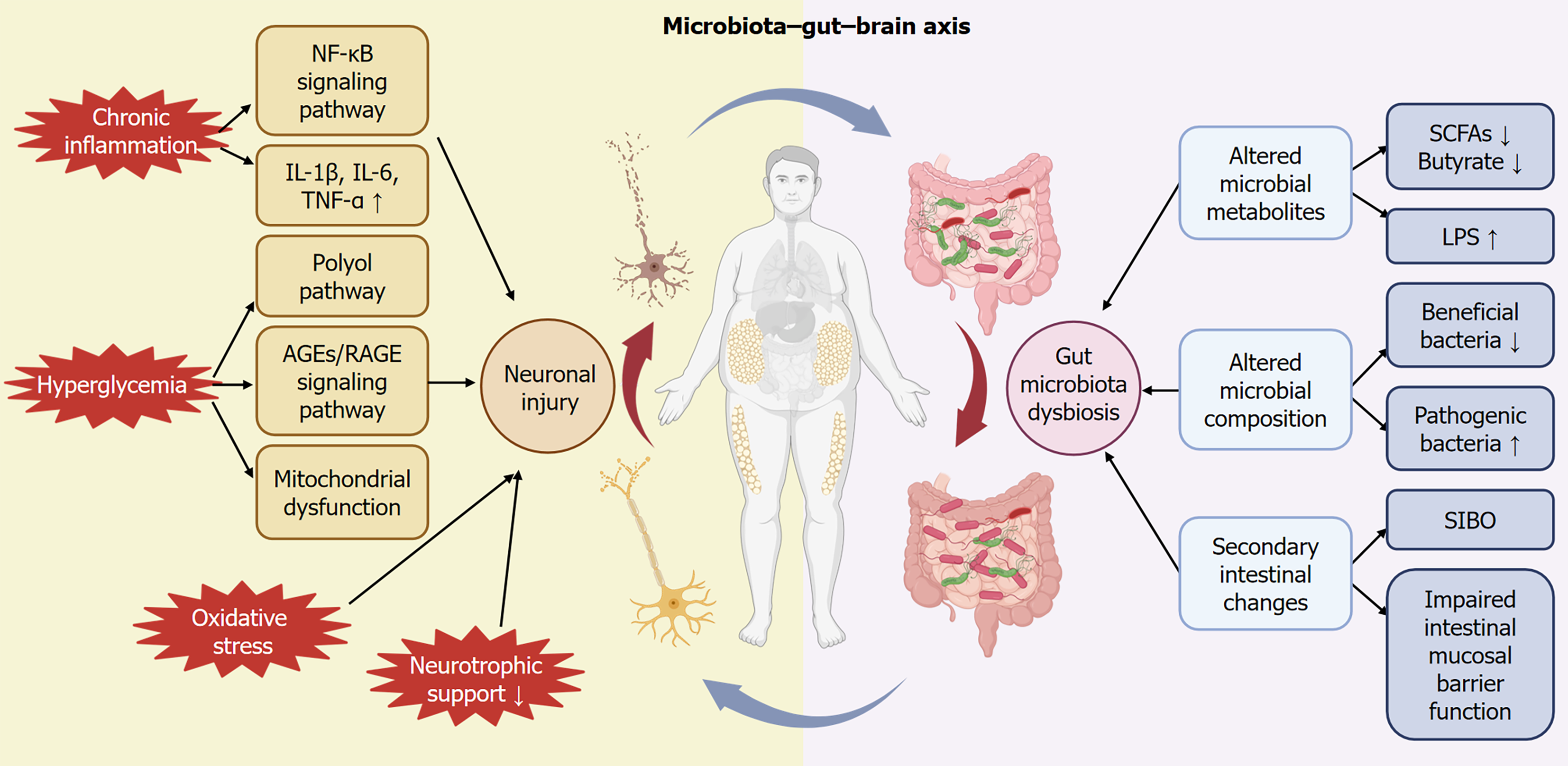
Figure 1 Metabolism-gut microbiota-enteric autonomic nervous system crosstalk.
Hyperglycemia-induced direct injury includes activation of the polyol pathway, accumulation of advanced glycation end-products, and mitochondrial dysfunction. Inflammation and immune-mediated injury, involving activation of the nuclear factor kappa B (NF-kB) signaling pathway and increased release of pro-inflammatory cytokines exacerbate neuronal and glial cell apoptosis. Reduced neurotrophic support contributes significantly to neuronal degeneration. These neuronal injuries interact bidirectionally with gut microbiota dysbiosis, which manifests as decreased beneficial bacteria and increased pathogenic bacteria. Altered microbial metabolites, notably reduced short-chain fatty acids (SCFAs) and elevated lipopolysaccharides (LPS), further disrupt the intestinal mucosal barrier and exacerbate inflammation, creating a vicious cycle with neuronal injury. Clinically, these mechanisms collectively lead to gastrointestinal autonomic dysfunction, such as gastroparesis, intestinal dysmotility, and altered nutrient absorption. SIBO: Small intestinal bacterial overgrowth.
- Citation: Zhou MX, Zhao Y, Chu CL, Behera TR, Shen QQ, Xing YB. Diabetic gastrointestinal autonomic neuropathy: Integrating neuronal degeneration and gut microbial dysbiosis. World J Diabetes 2025; 16(9): 110053
- URL: https://www.wjgnet.com/1948-9358/full/v16/i9/110053.htm
- DOI: https://dx.doi.org/10.4239/wjd.v16.i9.110053