
















©The Author(s) 2025.
World J Diabetes. Sep 15, 2025; 16(9): 109553
Published online Sep 15, 2025. doi: 10.4239/wjd.v16.i9.109553
Published online Sep 15, 2025. doi: 10.4239/wjd.v16.i9.109553
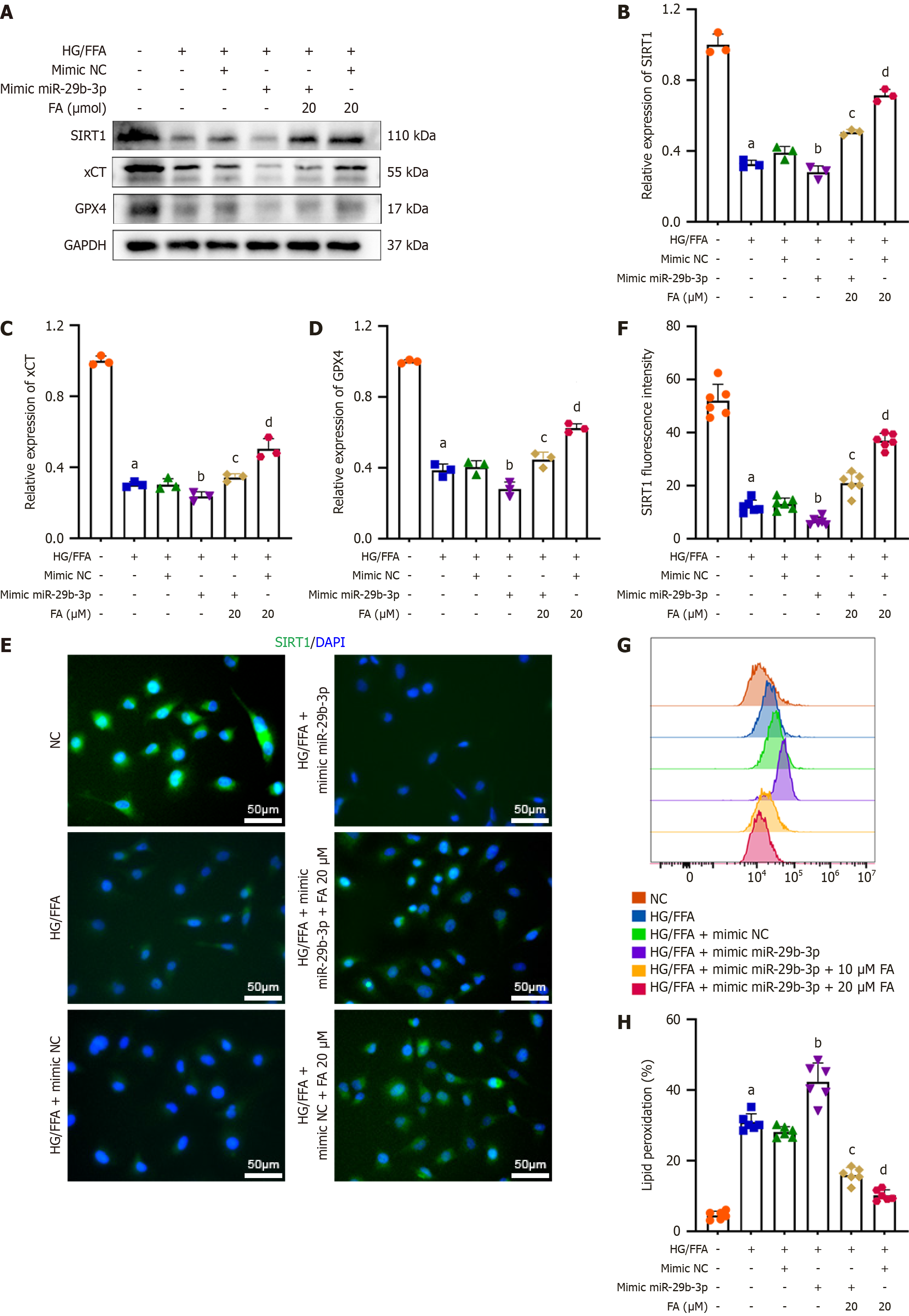
Figure 8 Farrerol inhibits high glucose and free fatty acid-induced ferroptosis via inhibition of miR-29b-3p in endothelial cells.
A-D: Protein expression of SIRT1, GPX4 and xCT were detected in endothelial cells (ECs) upon high glucose and free fatty acid, together with Farrerol or miR-29b-3p (n = 3); E and F: Representative immunofluorescence images of SIRT1 in ECs from indicated group. Bar = 50 μm. n = 6; G-H: Flow cytometry is used to detect the changes in lipid peroxidation levels in ECs under different treatment conditions (n = 6). aP < 0.05 vs NC; bP < 0.05 vs HG/FFA + mimic NC; cP < 0.05 vs HG/FFA + miR-29b-3p mimic; dP < 0.05 vs HG/FFA + FA + mimic NC. HG/FFA: High glucose and free fatty acid; FA: Farrerol.
- Citation: Guo Y, Yu XR, Gu HD, Wang YJ, Yang ZG, Chi JF, Zhang LP, Lin H. Farrerol ameliorates diabetic cardiomyopathy by inhibiting ferroptosis via miR-29b-3p/SIRT1 signaling pathway in endothelial cells. World J Diabetes 2025; 16(9): 109553
- URL: https://www.wjgnet.com/1948-9358/full/v16/i9/109553.htm
- DOI: https://dx.doi.org/10.4239/wjd.v16.i9.109553