















©The Author(s) 2025.
World J Diabetes. Nov 15, 2025; 16(11): 112847
Published online Nov 15, 2025. doi: 10.4239/wjd.v16.i11.112847
Published online Nov 15, 2025. doi: 10.4239/wjd.v16.i11.112847
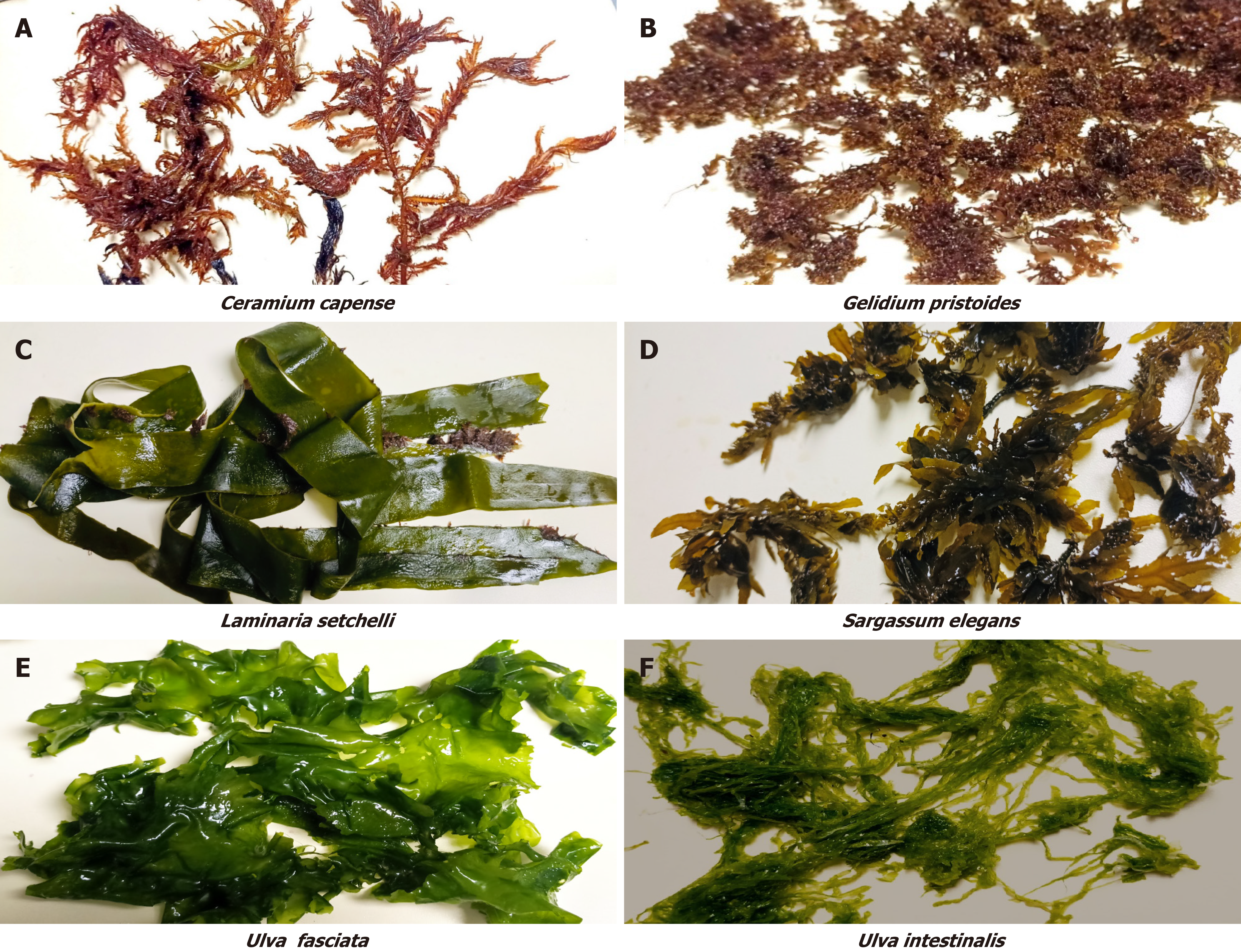
Figure 1 Examples seaweed species classified by pigment group.
A and B: Rhodophyta [Ceramium capense (Voucher number: NU0092414) and Gelidium pristoides (Voucher number: NU0092402)]; C and D: Phaeophyceae [Laminaria setchelli (voucher number: NU0092411) and Sargassum elegans (voucher number: NU0092416)]; E and F: Chlorophyta [Ulva fasciata (voucher number: NU0092397) and Ulva intestinalis (voucher number: NU0092420)]. The seaweeds were identified at Bews Herbarium, University of KwaZulu-Natal, Pietermaritzburg, South Africa.
- Citation: Magwaza SN, Islam MS. Mechanisms behind the anti-diabetic and anti-obesity effects of seaweeds or macroalgae and their bioactive compounds. World J Diabetes 2025; 16(11): 112847
- URL: https://www.wjgnet.com/1948-9358/full/v16/i11/112847.htm
- DOI: https://dx.doi.org/10.4239/wjd.v16.i11.112847