
















©The Author(s) 2025.
World J Diabetes. Nov 15, 2025; 16(11): 111400
Published online Nov 15, 2025. doi: 10.4239/wjd.v16.i11.111400
Published online Nov 15, 2025. doi: 10.4239/wjd.v16.i11.111400
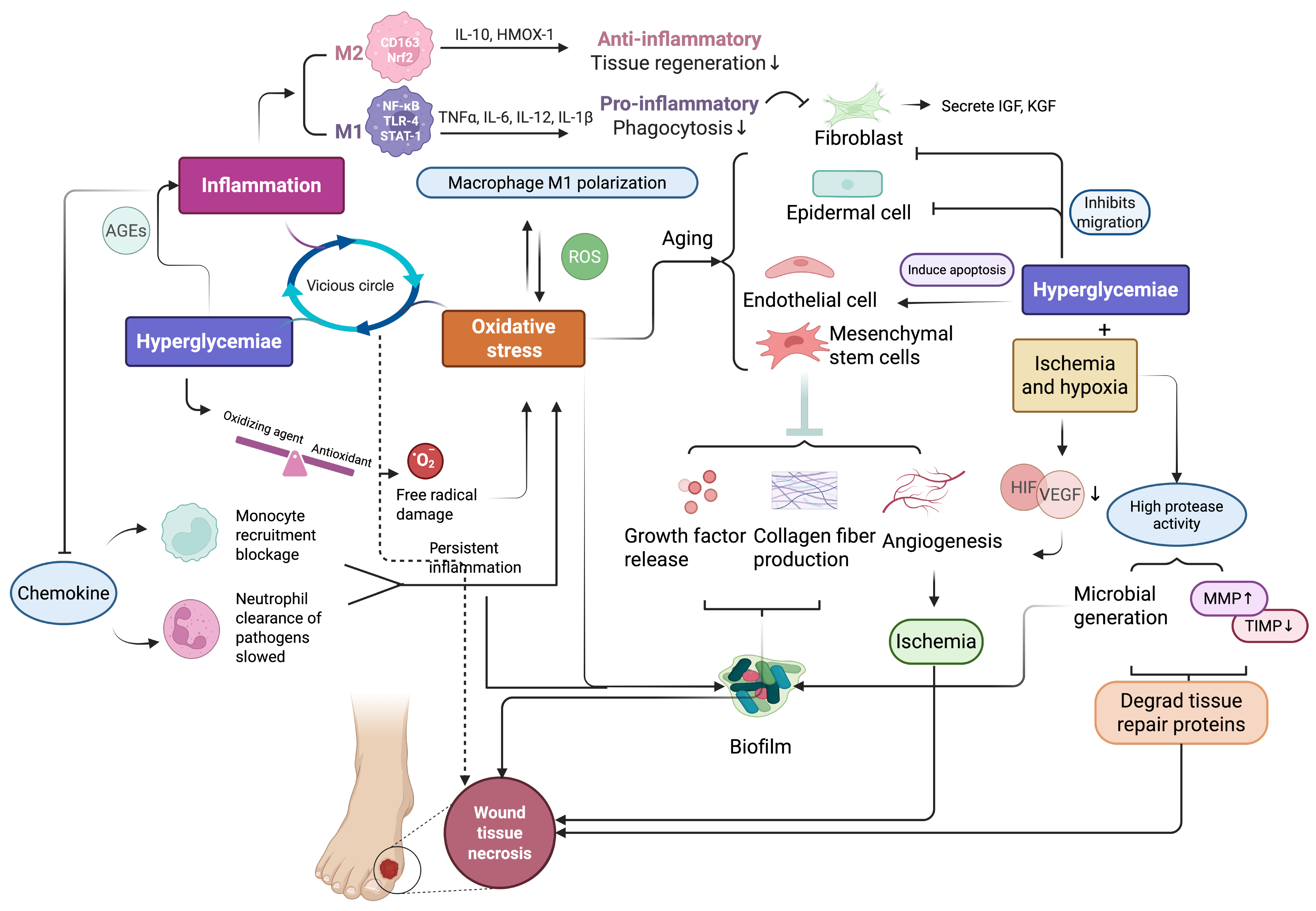
Figure 2 Interactions between oxidative stress and inflammation in diabetic wounds.
Hyperglycemia-induced oxidative stress and inflammation synergistically disrupt multiple stages of the wound healing process, including immune cell recruitment, angiogenesis, fibroblast activation, and extracellular matrix remodeling. These processes impair re-epithelialization and prolong chronic wound states. The interplay between M1/M2 macrophage polarization, ischemia, biofilm formation, and mesenchymal stem cell dysfunction further reinforces a self-perpetuating cycle of delayed tissue repair within the diabetic microenvironment. HIF: Hypoxia-inducible factor; HMOX-1: Heme oxygenase 1; IGF: Insulin-like growth factor; KGF: Keratinocyte growth factor; MMP: Matrix metalloproteinase; ROS: Reactive oxygen species; TIMP: Tissue inhibitor of metalloproteinases; VEGF: Vascular endothelial growth factor. Created in BioRender.
- Citation: Guo YL, Niu WJ, Jiao HR, Li YP, Xu C, Zhou X, Wang J. Crosstalk between oxidative stress and inflammatory pathways: Natural therapeutic approaches for diabetic wound healing. World J Diabetes 2025; 16(11): 111400
- URL: https://www.wjgnet.com/1948-9358/full/v16/i11/111400.htm
- DOI: https://dx.doi.org/10.4239/wjd.v16.i11.111400