
















©The Author(s) 2025.
World J Diabetes. Nov 15, 2025; 16(11): 110428
Published online Nov 15, 2025. doi: 10.4239/wjd.v16.i11.110428
Published online Nov 15, 2025. doi: 10.4239/wjd.v16.i11.110428
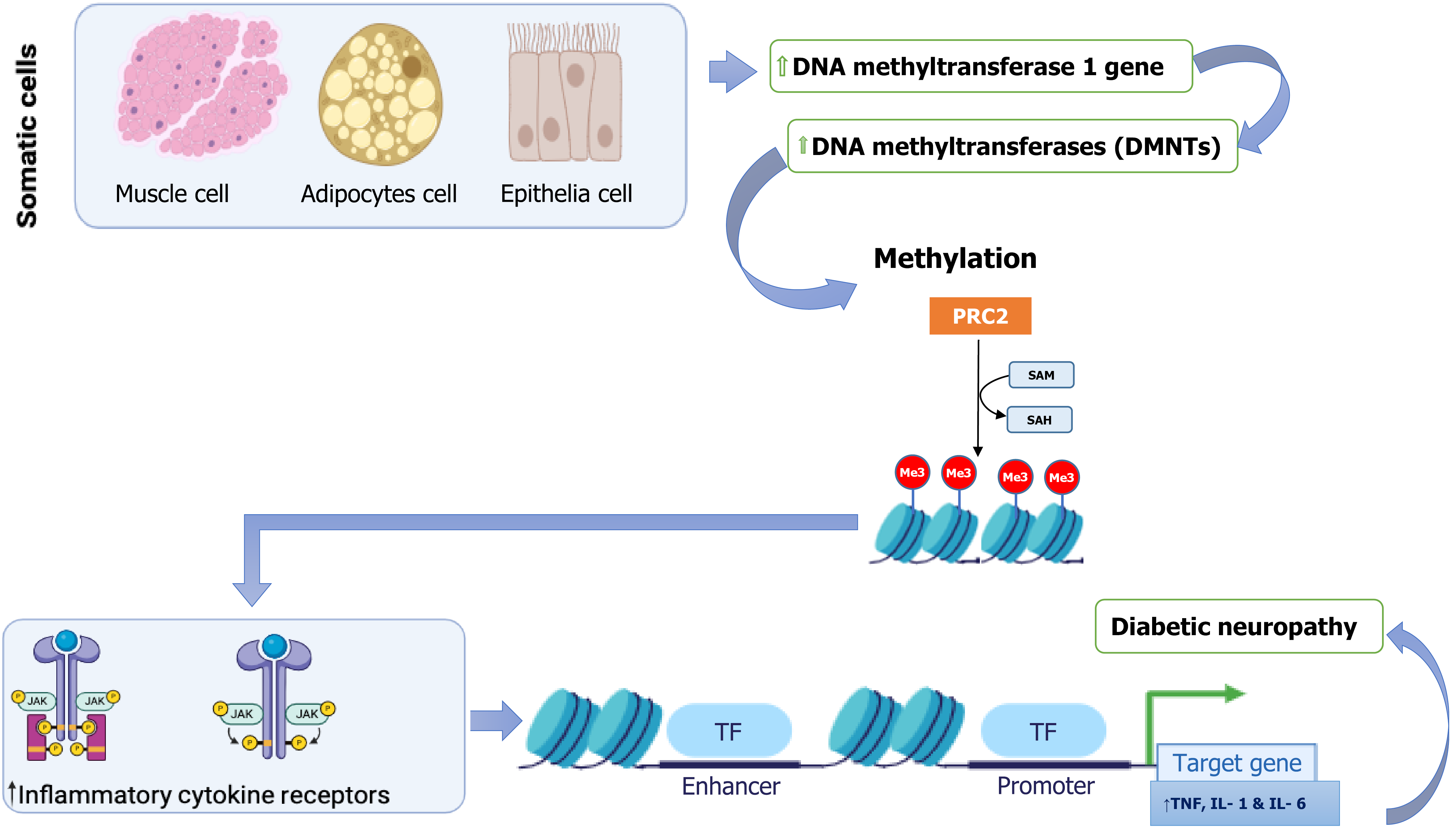
Figure 3 Impact of DNA methylation on inflammatory responses in diabetic neuropathy.
This schematic illustrates the role of aberrant DNA methylation in promoting inflammatory signaling pathways implicated in diabetic neuropathy. In somatic cells (muscle, adipocytes, epithelial), hyperactivation of DNA methylation machinery, including DNA-methyltransferase 1 (DNMT1) and other DNMTs, leads to increased chromatin methylation. The polycomb repressive complex 2 (PRC2) and S-adenosylmethionine (SAM) facilitate histone methylation (Me3) at key regulatory loci, repressing transcriptional activity by RNA polymerase II (RNAPII). This epigenetic repression alters immune signaling pathways, particularly by upregulating inflammatory cytokine receptors (e.g., Janus kinase/signal transducer and activator of transcription signaling), which in turn enhances transcription of pro-inflammatory cytokine genes, including tumor necrosis factor (TNF), interleukin 1 (IL-1), and IL-6. The persistent expression of these inflammatory mediators contributes to chronic neuroinflammation and the progression of diabetic neuropathy.
- Citation: Sanusi KO, Asiwe JN, Sulaimon FA, Bashar F, Yusuf SK, Abdulkadir HO. Diabetic neuropathy and wound healing: An update on epigenetic crosstalk. World J Diabetes 2025; 16(11): 110428
- URL: https://www.wjgnet.com/1948-9358/full/v16/i11/110428.htm
- DOI: https://dx.doi.org/10.4239/wjd.v16.i11.110428