
















©The Author(s) 2025.
World J Diabetes. Oct 15, 2025; 16(10): 110041
Published online Oct 15, 2025. doi: 10.4239/wjd.v16.i10.110041
Published online Oct 15, 2025. doi: 10.4239/wjd.v16.i10.110041
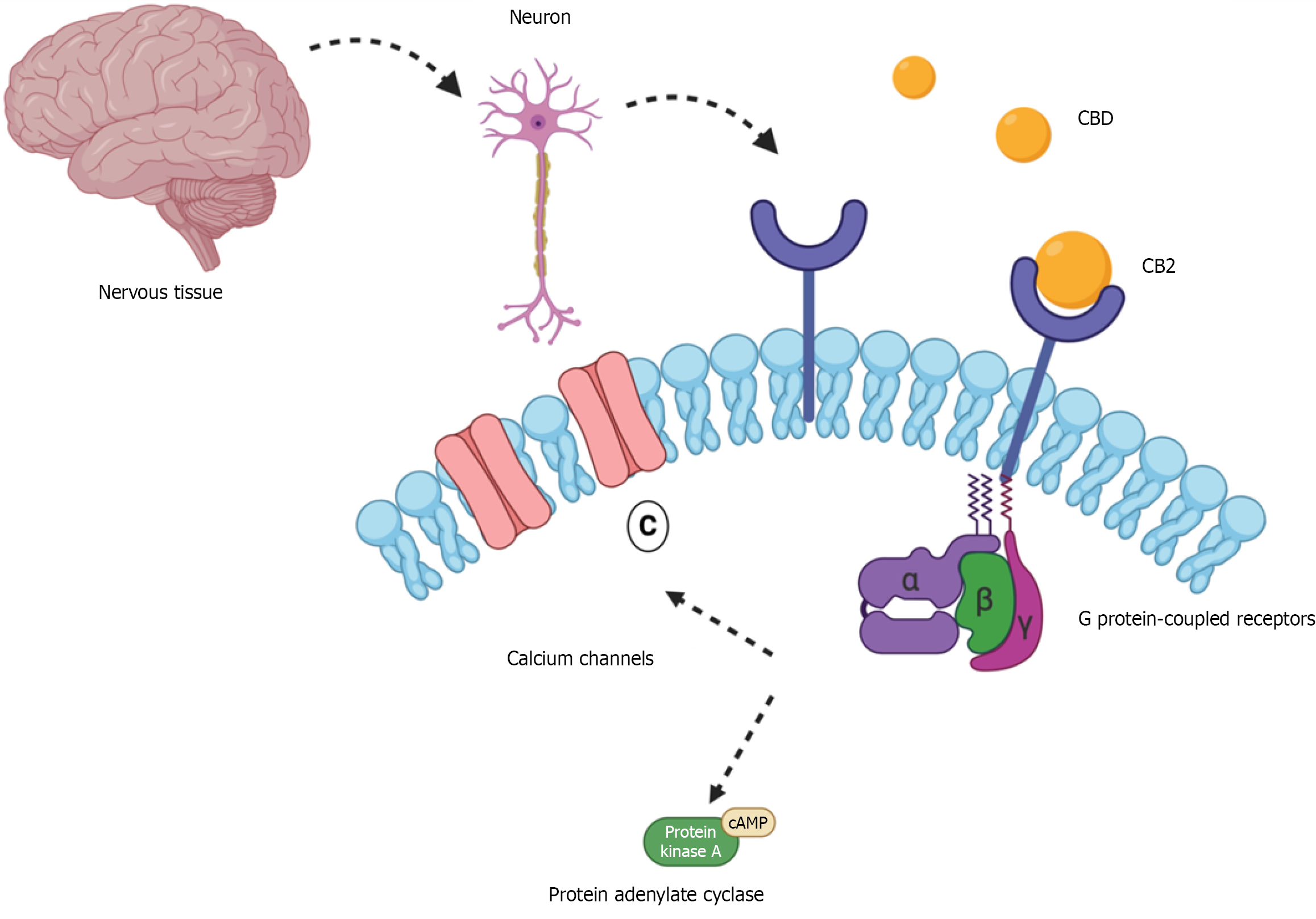
Figure 1 Cannabidiol activity on the cannabinoid type 1 receptor in nervous tissue.
This figure illustrates how cannabidiol (CBD) interacts with cannabinoid type 1 receptor (CB1) located on neuronal membranes in the nervous system – an interaction relevant to its neuroprotective potential in type 1 diabetes. When CBD binds to the cannabinoid type 1 receptor, it activates associated G proteins that inhibit calcium ion channels, and the enzyme adenylate cyclase. As a result, cyclic adenosine monophosphate (cAMP) levels and protein kinase A activity are reduced, ultimately suppressing neurotransmitter release. Beyond this, CBD may also modulate key inflammatory mediators such as nuclear factor kappa B, interleukin 6, and tumor necrosis factor alpha, all of which are linked to neuroinflammation in type 1 diabetes. These combined effects suggest that CBD may help reduce oxidative stress and protect neuronal integrity.
- Citation: Ramos Fernandes VA, Mendes LR, Franco Netto ROR, Belozo FL, Bezerra AA, dos Santos CPC, Cruel PTE, Buchaim DV, Buchaim RL, da Cunha MR. Anti-inflammatory effects of cannabidiol in the treatment of type 1 diabetes: A mini review. World J Diabetes 2025; 16(10): 110041
- URL: https://www.wjgnet.com/1948-9358/full/v16/i10/110041.htm
- DOI: https://dx.doi.org/10.4239/wjd.v16.i10.110041