
















©The Author(s) 2025.
World J Diabetes. Oct 15, 2025; 16(10): 108714
Published online Oct 15, 2025. doi: 10.4239/wjd.v16.i10.108714
Published online Oct 15, 2025. doi: 10.4239/wjd.v16.i10.108714
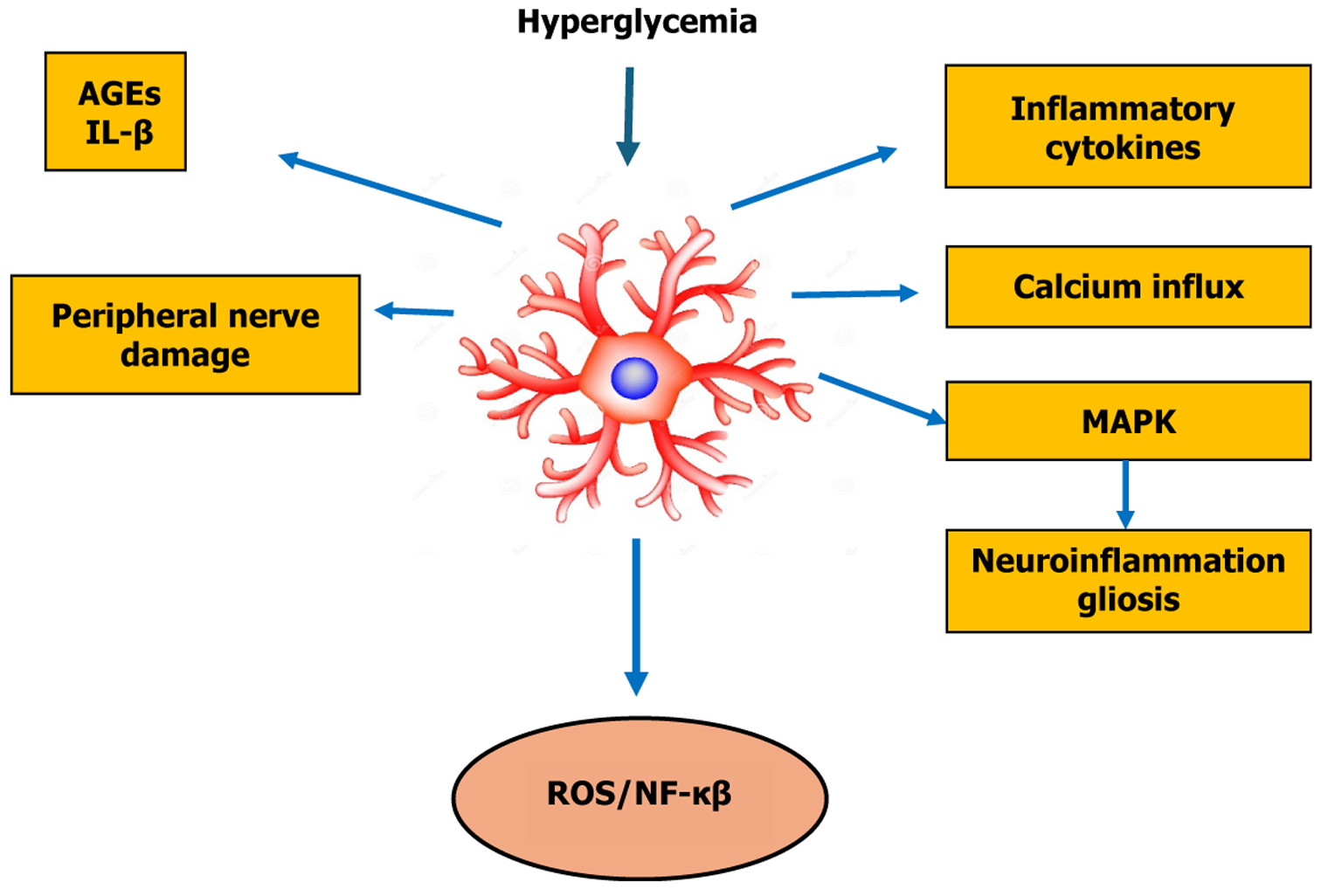
Figure 2 Specific molecular and signaling mechanisms of astrocytes involved in the pathogenesis and progression of diabetic neuropathy.
Under diabetic conditions, hyperglycemia activates astrocytes leading to increased reactive oxygen species (ROS) and nuclear factor kappa B (NF-κB) signaling. This cascade triggers the release of inflammatory cytokines, calcium influx, and mitogen-activated protein kinase (MAPK) activation, culminating in neuroinflammation and astrogliosis. The accumulation of advanced glycation end products (AGEs) and pro-inflammatory cytokines such as interleukin 1 beta (IL-1β) exacerbate peripheral nerve damage, creating a feedback loop that perpetuates astrocyte reactivity and neuronal dysfunction.
- Citation: Haris K, Long I. Role of astrocytes in diabetic neuropathy: Review of their involvement in disease mechanisms. World J Diabetes 2025; 16(10): 108714
- URL: https://www.wjgnet.com/1948-9358/full/v16/i10/108714.htm
- DOI: https://dx.doi.org/10.4239/wjd.v16.i10.108714