
















©The Author(s) 2025.
World J Diabetes. Oct 15, 2025; 16(10): 108346
Published online Oct 15, 2025. doi: 10.4239/wjd.v16.i10.108346
Published online Oct 15, 2025. doi: 10.4239/wjd.v16.i10.108346
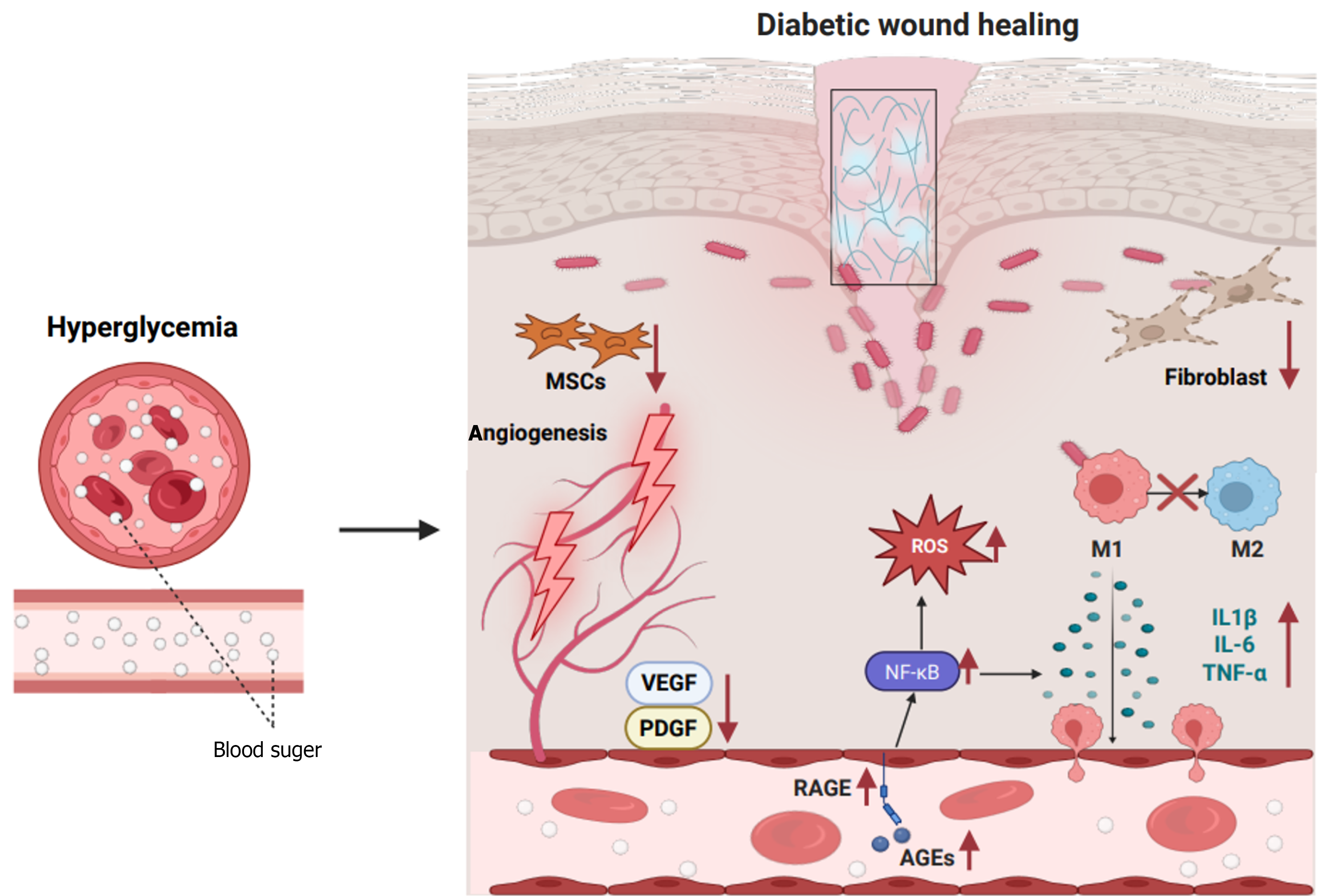
Figure 2 Characteristics of wound healing in diabetes.
In diabetic wounds, persistent hyperglycemia leads to the chaotic release of cytokines and abnormal activation of pathways that play critical roles in wound healing, such as receptor of the advanced glycation end-products, nuclear factor kappa-B, and vascular endothelial growth factor signaling pathway. Thus, chronic inflammation and dysfunction of macrophages, fibroblasts, and mesenchymal stem cells leads to abnormal epithelial regeneration and impaired angiogenesis and extracellular matrix formation, contributing to non-healing wounds and ulcer formation. MSCs: Mesenchymal stem cells; VEGF: Vascular endothelial growth factor; PDGF: Platelet-derived growth factor; RAGE: Receptor of the advanced glycation end-products; AGEs: Advanced glycation end-products; ROS: Reactive oxygen species; IL: Interleukin; TNF-α: Tumor necrosis factor-α; NF-κB: Nuclear factor kappa-B.
- Citation: Zhang F, Ma HG, Zhang B, Jiang LL, Nie KY, Deng CL, Liu Y. Potential roles of histone deacetylases in diabetic wound healing. World J Diabetes 2025; 16(10): 108346
- URL: https://www.wjgnet.com/1948-9358/full/v16/i10/108346.htm
- DOI: https://dx.doi.org/10.4239/wjd.v16.i10.108346